Chag Sameach & Shabbat Shalom!
ב"ה
Icon
Candle Lighting Time for
Pacific Palisades:
Friday, Sep. 25
6:28 pm

Message from the Rabbi

Dear Friend,

There is something unusual about the mitzvah of sukkah. Most mitzvot are performed with one part of us, the hand that gives charity, the mouth that speaks words of Torah, the heart that feels love and awe. But when we enter the sukkah, our entire person enters.

Chassidic wisdom teaches that this is the embrace of G-d.

An embrace is different from a conversation. In a conversation, we connect through what we understand. In an embrace, we are held completely, even the parts that cannot be explained.

After Rosh Hashanah and Yom Kippur, we may emerge inspired, but also very aware of ourselves, our successes, our failures, and everything still unfinished. Then comes Succot.

G-d does not ask us to become someone else before entering His sukkah. He simply says: Come inside.

We eat there. We drink there. We talk, laugh, sing and live there. The ordinary parts of life themselves become surrounded by holiness.

Perhaps that is one of the deepest joys of Succot. True joy does not come from having a perfect life. It comes from knowing that wherever we are on our journey, we can step into G-d’s embrace.

May this Succot bring that embrace into our homes, our families, and the year ahead.

Shabbat Shalom and Chag Sameach,
Rabbi Zushe Cunin

Sukkot Schedule:

Friday, September 25
Shabbat Candlelighting: 6:28pm

Shabbat, September 26
Morning Service: 10:00am
Followed by Kiddush & Refreshments in the Sukkah
Light Candles from pre-existing flame: 7:22pm

Sunday, September 27
Morning Services: 10:00am
Followed by Kiddush & Refreshments in the Sukkah
Holiday Ends: 7:21pm

All services take place at Chabad Palisades 17315 Sunset Blvd.

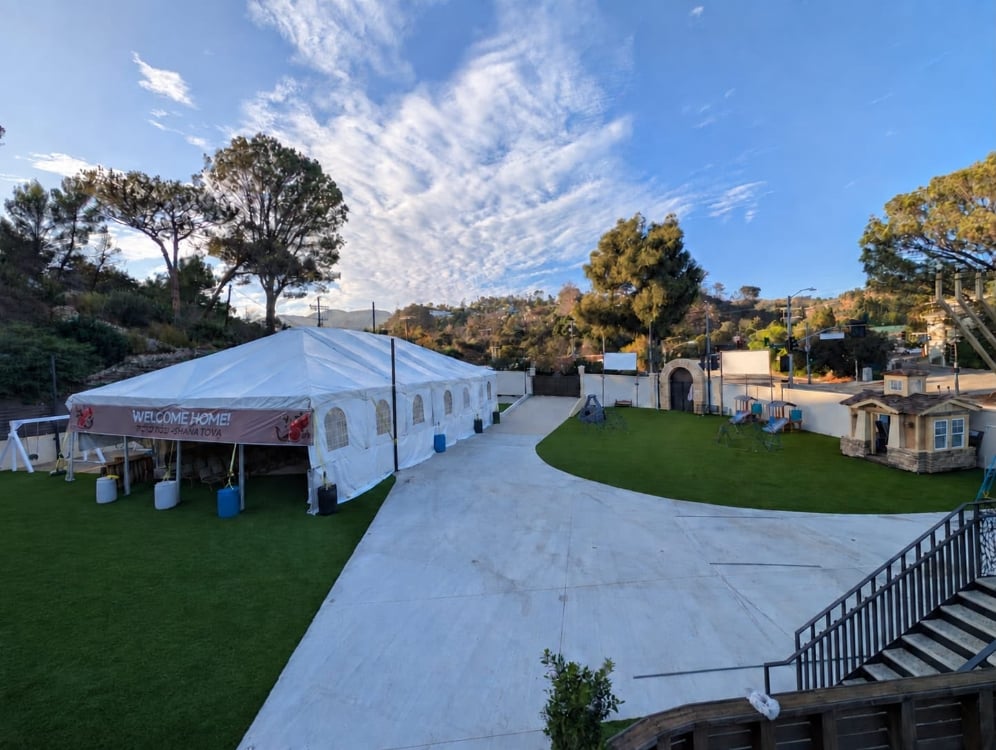
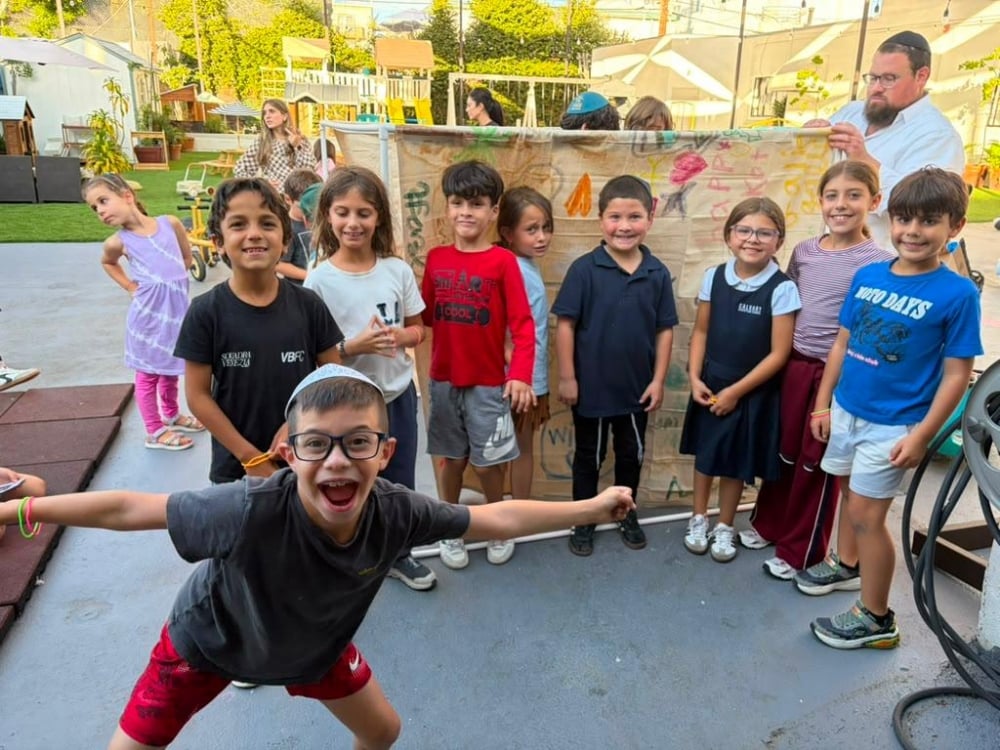
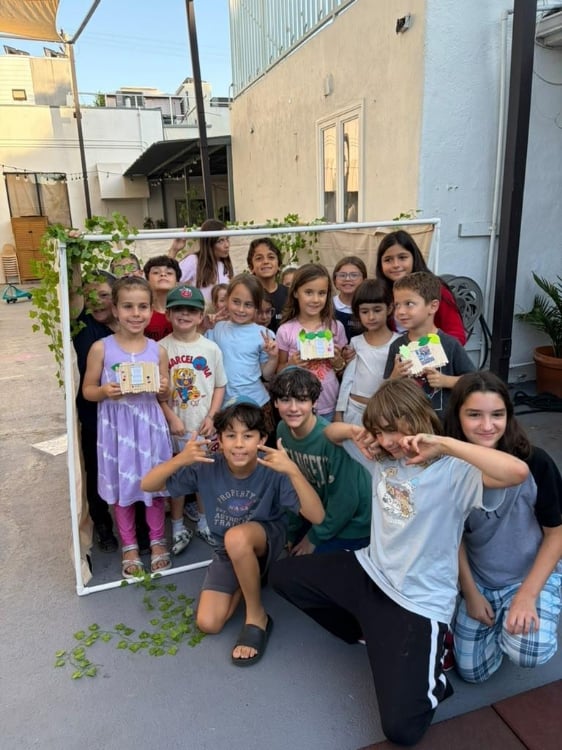
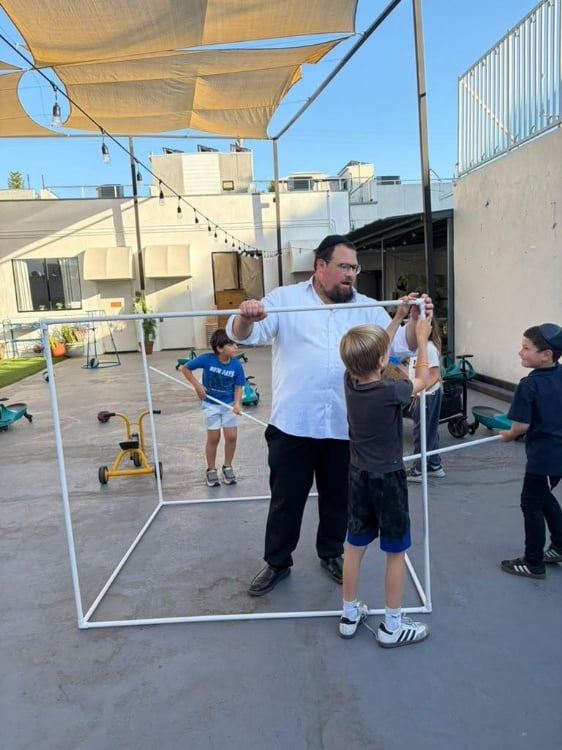
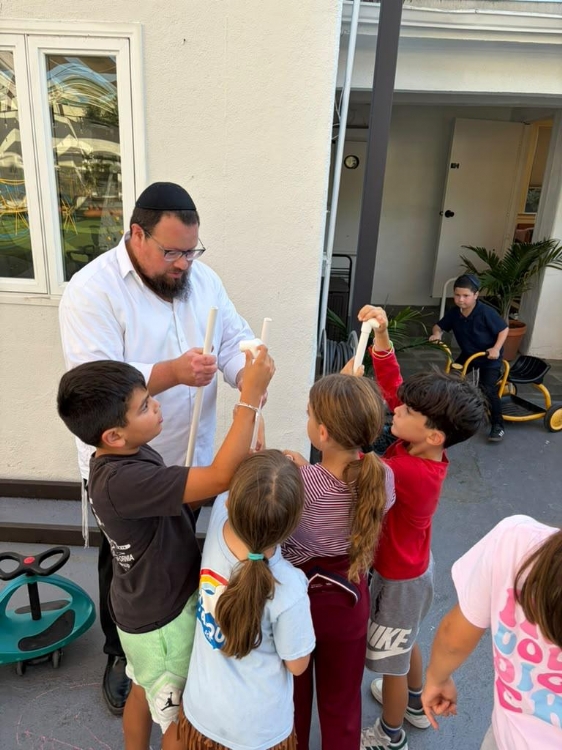
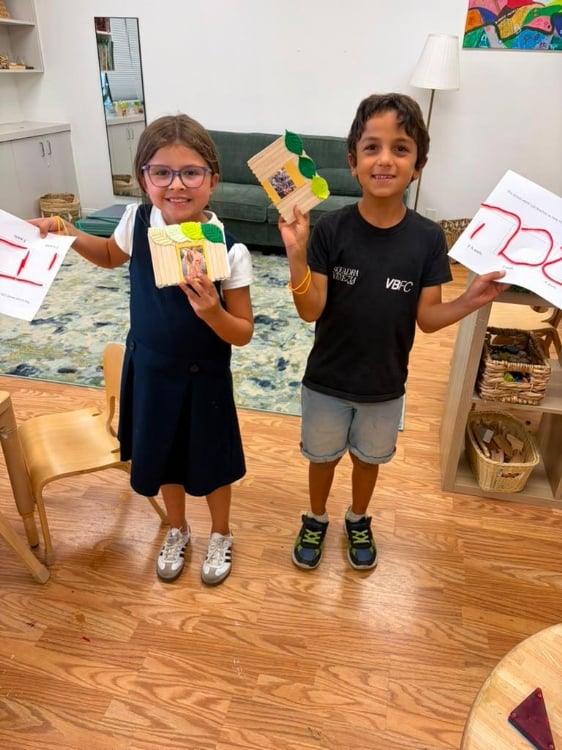
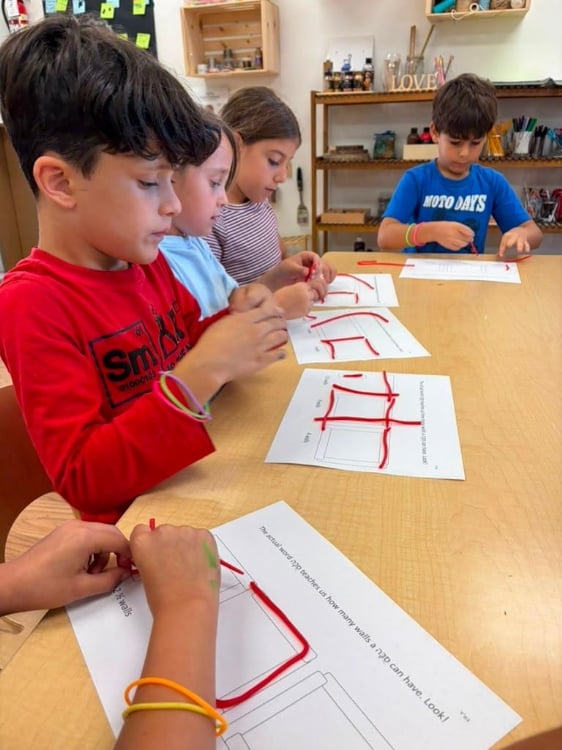
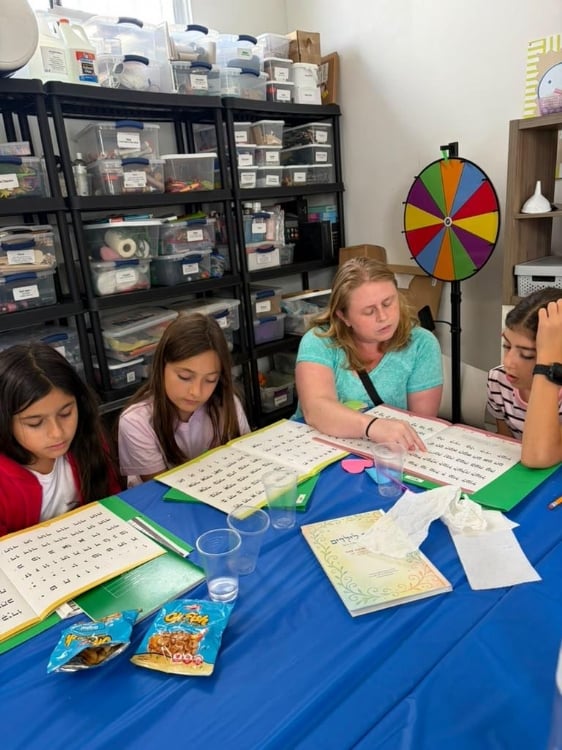
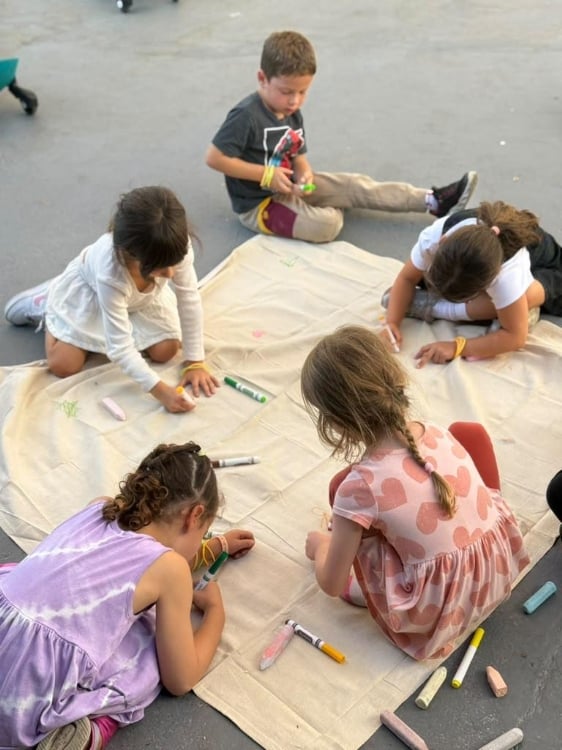
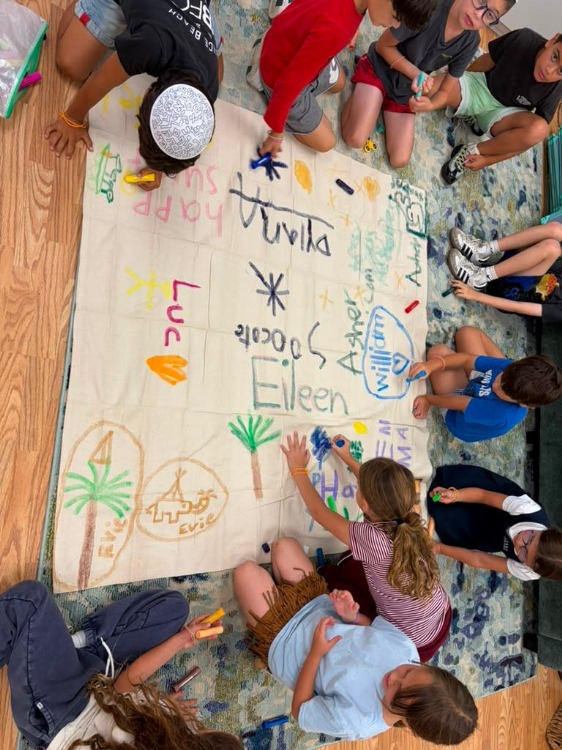
Recent Photos

This Week @ www.ChabadPalisades.com

  
By the Numbers
9 Reasons You'll Love Sitting in a Sukkah
For just over one week a year, the Jewish world moves out to the shady confines of the sukkah. Here are nine reasons you'll want to pull up a chair.
  
Your Questions
Why Is Sukkot Happier Than Any Other Jewish Holiday?
Passover is the "Season of Our Liberation," Shavuot is the "Season of the Giving of Our Torah" and Sukkot is described simply as the "Season of Our Rejoicing!"
  
Halachah for Life
Can I Build a Sukkah Under a Tree or Awning?
And Other Common Sukkah Q&A
  
Quiz
Take the Sukkot True or False Quiz
Think you know Sukkot? Take our quiz to find out!

Parshah in a Nutshell

The name of the Parshah, "V'Zot HaBerachah," means "And this is the blessing," and it is found in Deuteronomy 33:1.

The Sukkot and Shemini Atzeret Torah readings are from Leviticus 22-23, Numbers 29, and Deuteronomy 14-16. These readings detail the laws of the moadim or " appointed times" on the Jewish calendar for festive celebration of our bond with G‑d; including the mitzvot of dwelling in the sukkah (branch-covered hut) and taking the " Four Kinds" on the festival of Sukkot; the offerings brought in the Holy Temple in Jerusalem on Sukkot, and the obligation to journey to the Holy Temple to "to see and be seen before the face of G‑d" on the three annual pilgrimage festivals — Passover, Shavuot and Sukkot.

On Simchat Torah ("Rejoicing of the Torah") we conclude, and begin anew, the annual Torah-reading cycle. First we read the Torah section of V'zot HaBerachah, which recounts the blessings that Moses gave to each of the twelve tribes of Israel before his death. Echoing Jacob's blessings to his twelve sons five generations earlier, Moses assigns and empowers each tribe with its individual role within the community of Israel.

V'zot HaBerachah then relates how Moses ascended Mount Nebo from whose summit he saw the Promised Land. "And Moses the servant of G‑d died there in the Land of Moab by the mouth of G‑d... and no man knows his burial place to this day." The Torah concludes by attesting that " There arose not a prophet since in Israel like Moses, whom G‑d knew face to face... and in all the mighty hand and the great awesome things which Moses did before the eyes of all Israel."

Immediately after concluding the Torah, we begin it anew by reading the first chapter of Genesis (the beginning of next Shabbat's Torah reading) describing G‑d's creation of the world in six days and His ceasing work on the seventh—which He sanctified and blessed as a day of rest.

Learn: From the Rebbe's Talks
Browse: V'Zot HaBerachah Parshah Columnists
Prep: Devar Torah Q&A for V'Zot HaBerachah
Read: Haftarah in a Nutshell
Play: V'Zot HaBerachah Parshah Quiz

 

Today's Quote

He counts the number of the stars; He calls them all by name
— Psalms 147:4

Chabad World News