Stop Waiting, Start Living
ב"ה
Icon
Candle Lighting Time for
Pacific Palisades:
Friday, Aug. 28
7:07 pm

Message from the Rabbi

Dear Friend,

This week’s Torah portion begins with a powerful phrase: “Ki Tavo el ha’aretz,” “When you come into the land.”

The Chasidic masters explain that “coming into the land” is not only about entering a physical place. It is about arriving fully into the life and mission that G-d has given us.

It is easy to live while always waiting. Waiting for things to settle down, for the right opportunity, for more clarity, more inspiration, or fewer challenges. But Judaism asks us to enter the land, to step into the present moment and recognize that this, too, is where G-d wants me to serve Him.

And then comes the mitzvah of Bikkurim, the first fruits. A Jew takes the very first and finest produce and brings it to the Temple with gratitude. Before asking, “What do I still need?” we pause and recognize: “Look at what G-d has already given me.”

The Baal Shem Tov taught that wherever a person finds himself is by Divine Providence. There is purpose in this place, this moment, and this encounter.

As we approach the High Holidays, Ki Tavo reminds us: don’t wait to become someone else. Enter your life. Bring your first fruits. Begin today with gratitude, purpose, and joy.

Shabbat Shalom,  
Rabbi Zushe Cunin

Shabbat Schedule:

Shabbat, August 29
Morning Service: 10:00am
Followed by Kiddush & Refreshments

Shabbat Ends 8:02pm

Sunday, August 30
Shachris: 8:30am

 All Services take place at Chabad Palisades 17315 Sunset Blvd.

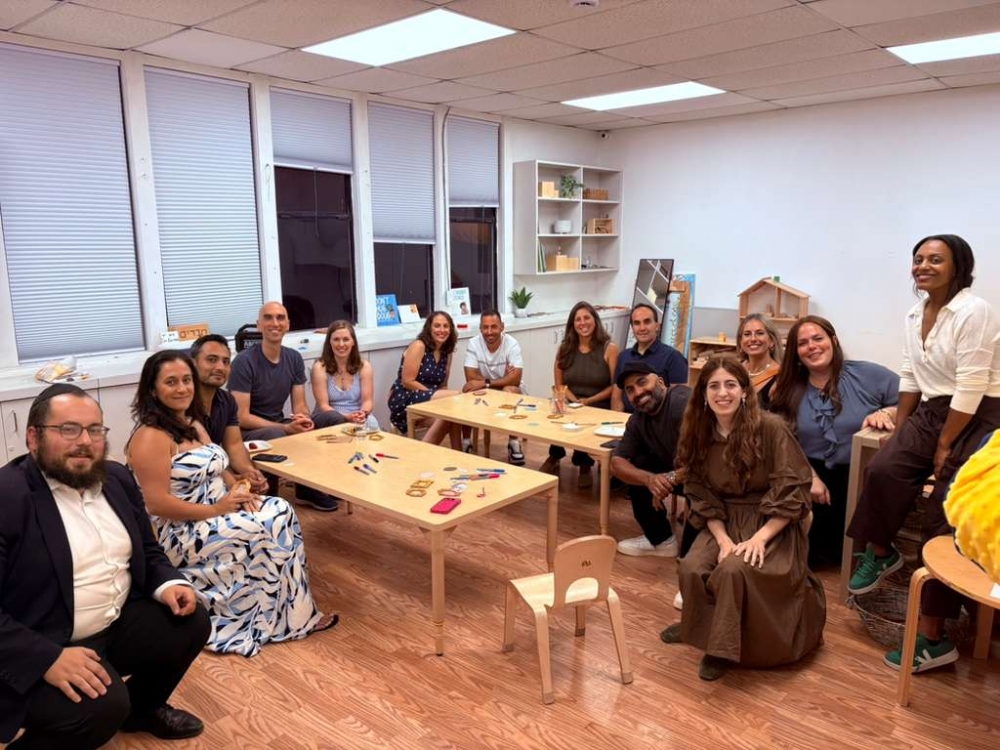
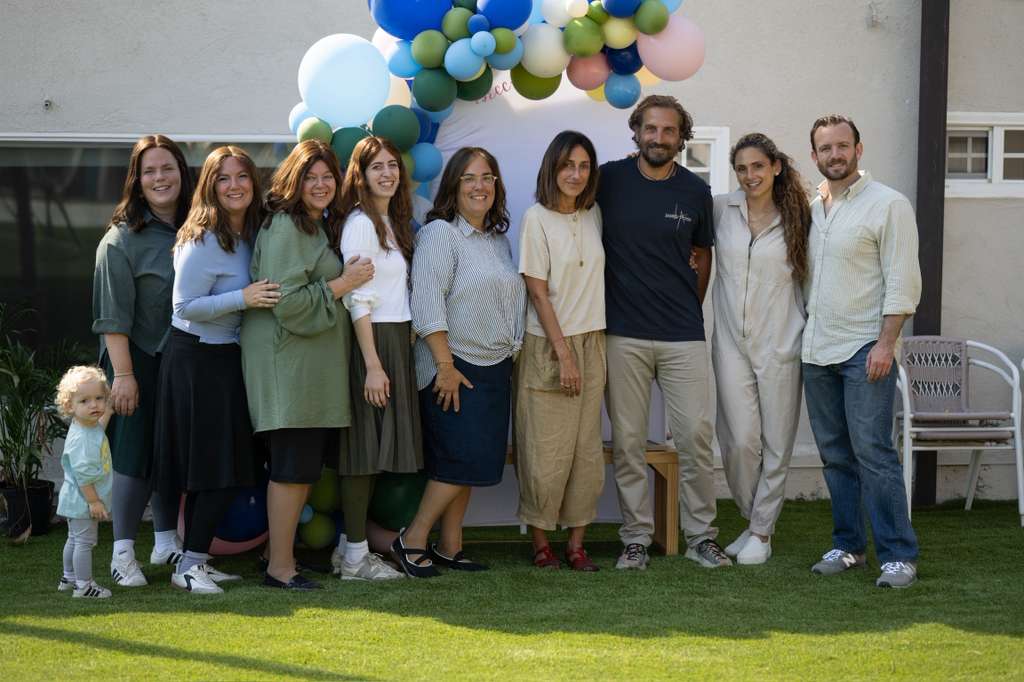
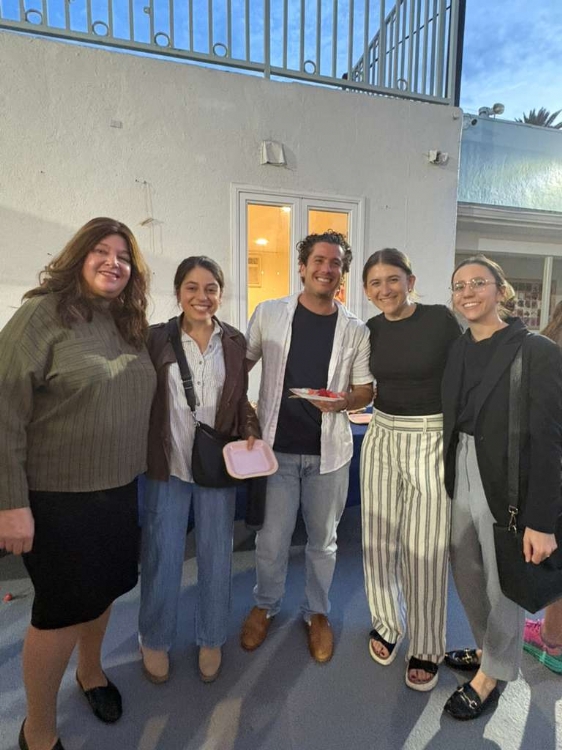
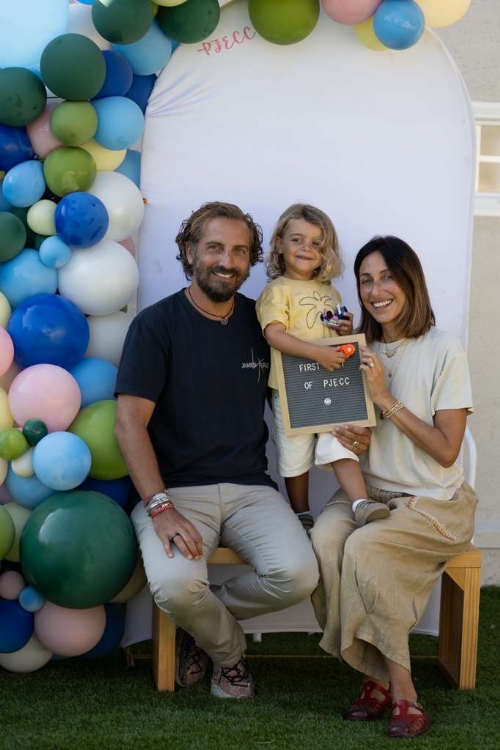
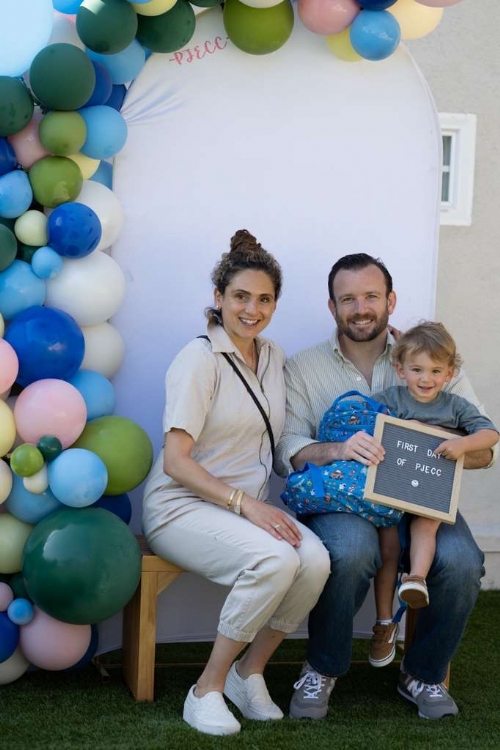
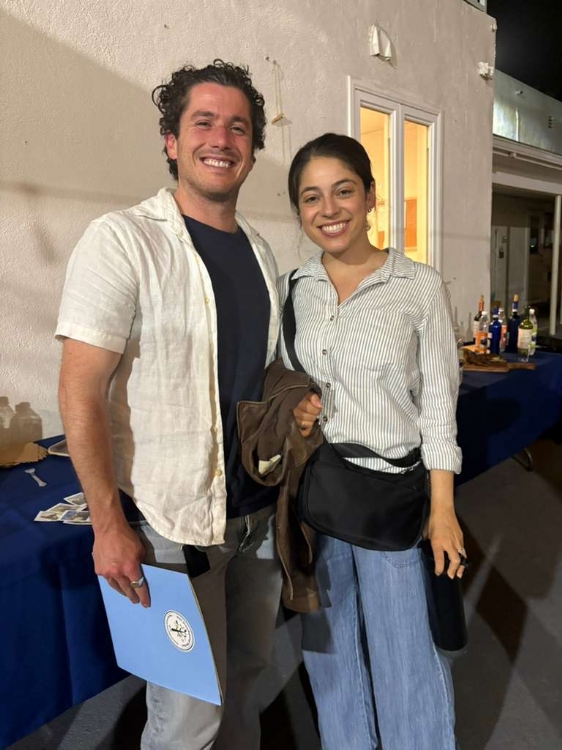
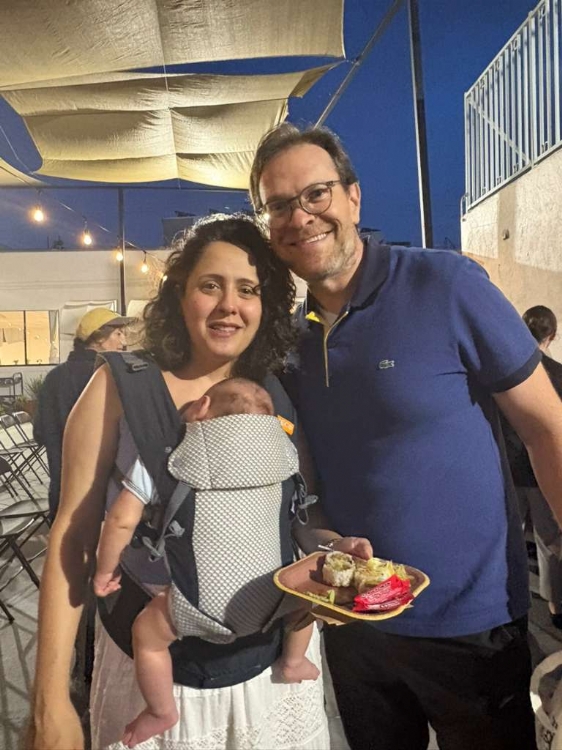
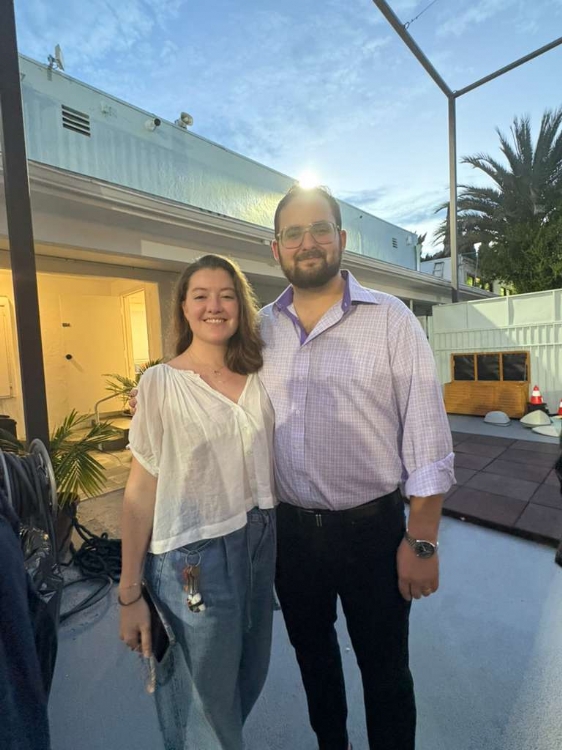
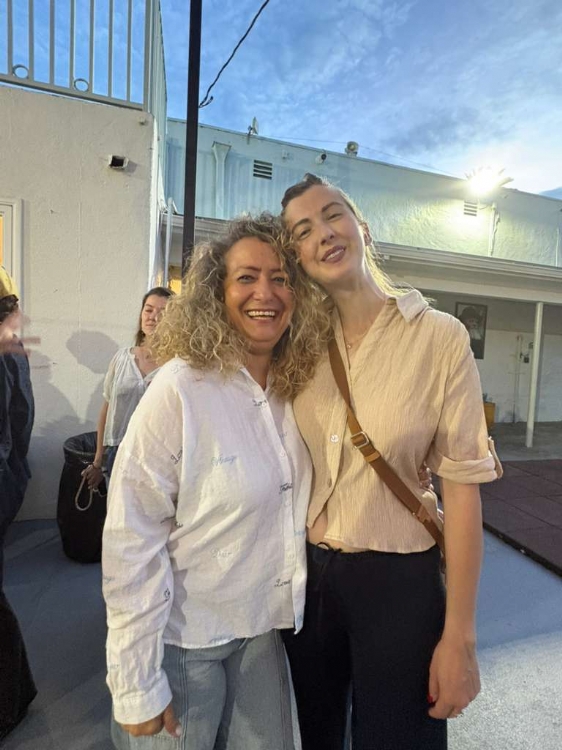
Recent Photos

This Week @ www.ChabadPalisades.com

  
By the Numbers
16 Illuminating Facts About the Sun in Judaism
The closest star to Earth, it also holds a prominent place in Jewish literature, showing up again and again in Biblical stories and carrying layer upon layer of symbolism and meaning.
  
Your Questions
Are Deceased Parents Aware of the Happenings of Our Lives?
The Talmud discusses this question quite extensively.
  
Quiz
Take the Jewish Kings Quiz
Which king famously slew a giant with a slingshot?
  
Freeman Files
How to Find the King Inside Your Own Heart
What does it actually mean?

Parshah in a Nutshell


Parshat Ki Tavo

The name of the Parshah, "Ki Tavo," means "when you come," and it is found in Deuteronomy 26:1.

Moses instructs the people of Israel: When you enter the land that G‑d is giving to you as your eternal heritage, and you settle it and cultivate it, bring the first-ripened fruits (bikkurim) of your orchard to the Holy Temple, and declare your gratitude for all that G‑d has done for you.

Our Parshah also includes the laws of the tithes given to the Levites and to the poor, and detailed instructions on how to proclaim the blessings and the curses on Mount Gerizim and Mount Eival—as discussed in the beginning of the Parshah of Re’eh. Moses reminds the people that they are G‑d’s chosen people, and that they, in turn, have chosen G‑d.

The latter part of Ki Tavo consists of the Tochachah (“Rebuke”). After listing the blessings with which G‑d will reward the people when they follow the laws of the Torah, Moses gives a long, harsh account of the bad things—illness, famine, poverty and exile—that shall befall them if they abandon G‑d’s commandments.

Moses concludes by telling the people that only today, forty years after their birth as a people, have they attained “a heart to know, eyes to see and ears to hear.”

Learn: Ki Tavo in Depth
Browse: Ki Tavo Parshah Columnists
Prep: Devar Torah Q&A for Ki Tavo
Read: Haftarah in a Nutshell
Play: Ki Tavo Parshah Quiz

 

Today's Quote

It was evening and it was morning, the sixth day. And the heavens and the earth were completed, and all their host. And G‑d completed on the seventh day His work which He had done; and He rested on the seventh day from all His work which He had done. And G‑d blessed the seventh day, and sanctified it; because in it He rested from all His work which G‑d had created, to make . . .
— Genesis 1:31–2:3 (recited as a preface to the Friday night Kiddush)

Chabad World News