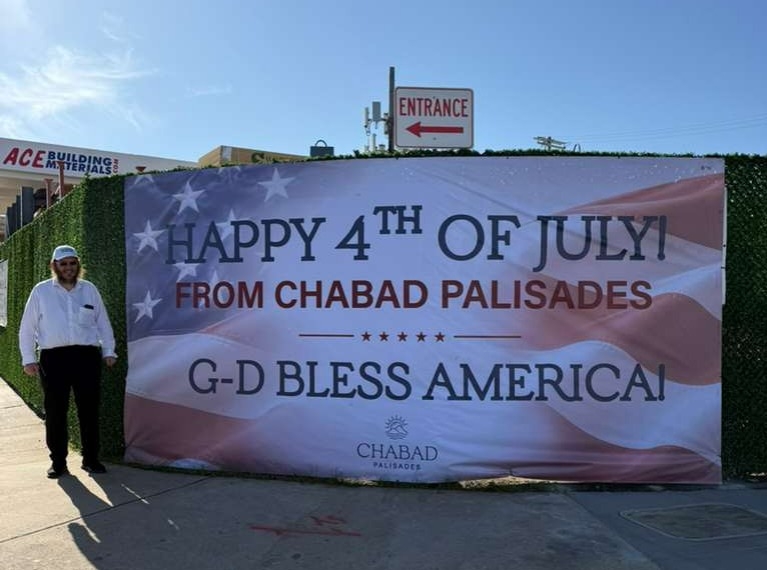
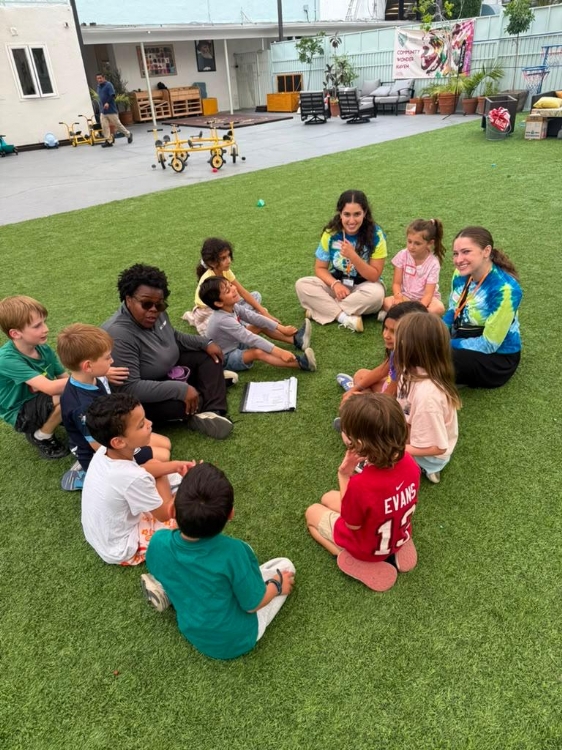
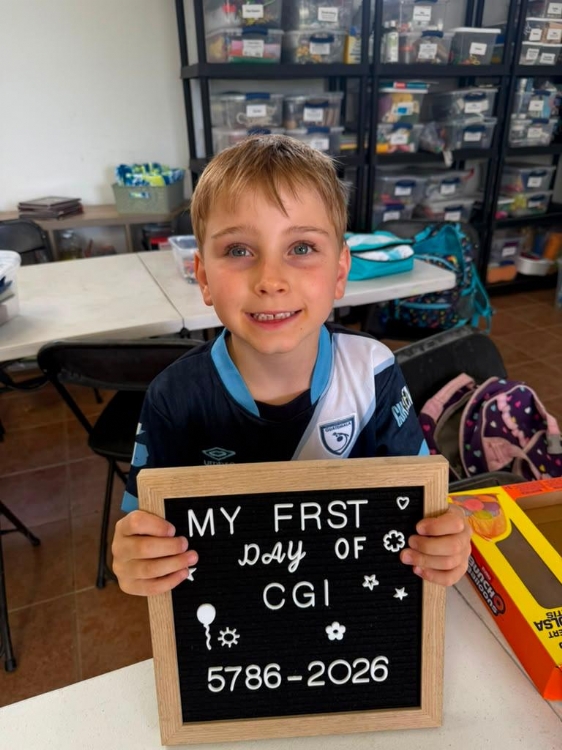
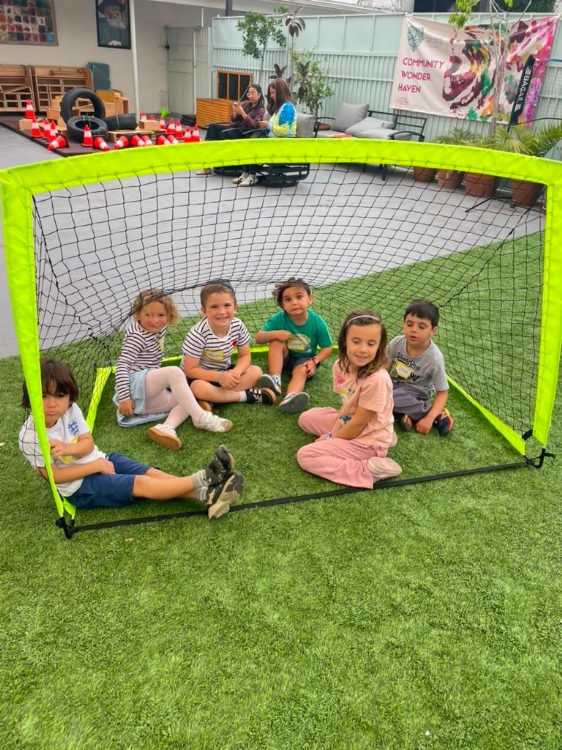
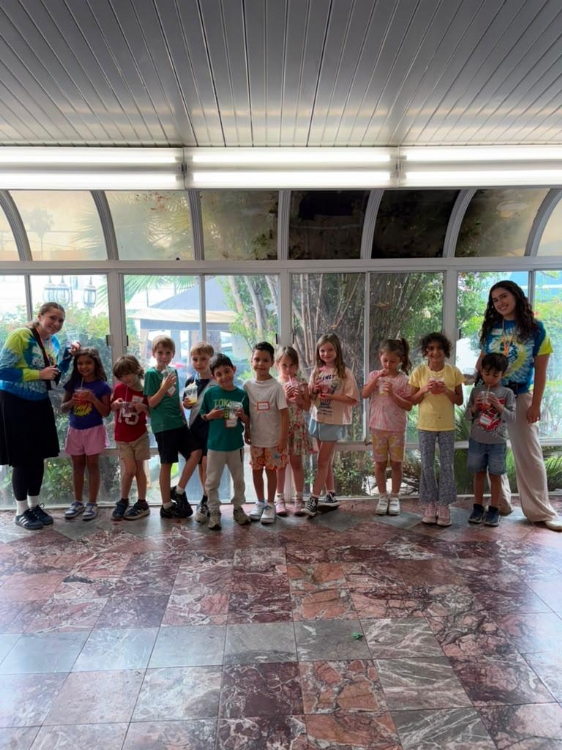
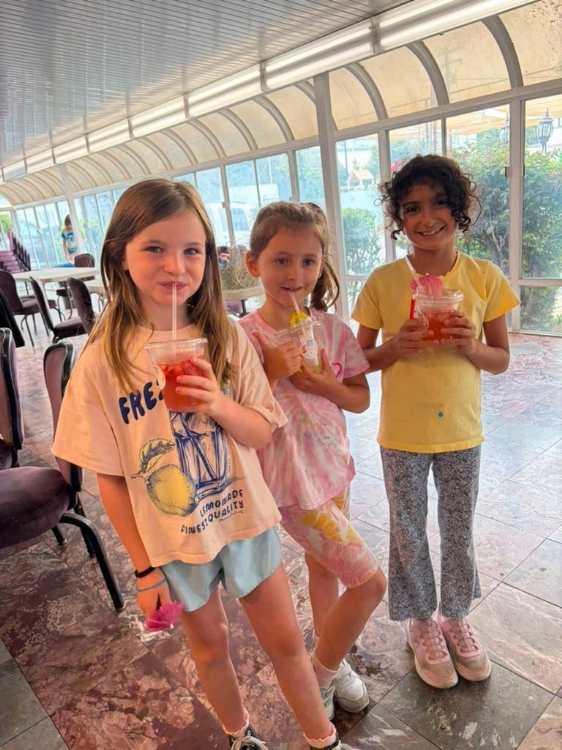
Shabbat Shalom & Happy 4th!
ב"ה
Icon
Candle Lighting Time for
Pacific Palisades:
Friday, Jul. 3
7:51 pm

Message from the Rabbi

Dear Friend,

Pinchas acted with immense courage that changed the course of Jewish history. Pinchas saw a moment that demanded responsibility, and instead of waiting for someone else to act, he stepped forward. Yet G-d’s reward is surprising: not honor or power, but “My covenant of peace.”

The strongest people are not those who win every battle, but those who bring healing, unity, and hope into a fractured world.

This message feels especially relevant as we observe the Fast of the Seventeenth of Tammuz and enter the Three Weeks. We remember the walls of Jerusalem being breached, a reminder that destruction begins when our spiritual and emotional defenses weaken. The Temple was not lost in a single day. It was the result of small (spiritual) cracks that were left unattended.

The Three Weeks invite us to repair those cracks before they become breaches. A kind word instead of criticism, patience instead of anger, prayer instead of indifference, and one more mitzvah than yesterday. Small acts of goodness strengthen the walls around our homes, our communities, and our own hearts.

May this be the year when our efforts to build peace and unity hasten the rebuilding of the the Temple, with the coming of Moshiach, speedily in our days.

Shabbat Shalom & Happy 4th of July!
Rabbi Zushe Cunin

Shabbat Schedule:

Shabbat Services will be at Chabad Palisades - 17315 Sunset Blvd.
Shabbat, July 4
Morning Service: 10:00am
Followed by Kiddush & Refreshments

Shabbat Ends 8:53pm

Sunday, July 5
Shachris: 8:30am

Sunday Services at Chabad Castellammare

Recent Photos

This Week @ www.ChabadPalisades.com

  
History
Should We Celebrate American Independence? The Rebbe's Take
  
By the Numbers
9 Facts About the Jews of Sweden
Sweden is home to a significant Jewish community with a relatively recent history.
  
The Freeman Files
What Is a Mitzvah?
The only way a Creator can connect with a creature is by a simple request.
  
Your Questions
What Blessing Do I Make on Hydroponically Grown Produce?
Can produce grown without direct connection to the earth still be called pri ha’adamah—“fruit of the ground”?

Parshah in a Nutshell


Parshat Pinchas

The name of the Parshah, "Pinchas," refers to Phineas, who zealously avenged G-d’s name, and it is found in Numbers 25:11.

Aaron’s grandson Pinchas is rewarded for his act of zealotry in killing the Simeonite prince Zimri and the Midianite princess who was his paramour: G‑d grants him a covenant of peace and the priesthood.

A census of the people counts 601,730 men between the ages of twenty and sixty. Moses is instructed on how the Land is to be divided by lottery among the tribes and families of Israel. The five daughters of Tzelafchad petition Moses that they be granted the portion of the land belonging to their father, who died without sons; G‑d accepts their claim and incorporates it into the Torah’s laws of inheritance.

Moses empowers Joshua to succeed him and lead the people into the Land of Israel.

The Parshah concludes with a detailed list of the daily offerings, and the additional offerings brought on Shabbat, Rosh Chodesh (first of the month), and the festivals of Passover, Shavuot, Rosh Hashanah, Yom Kippur, Sukkot and Shemini Atzeret.

Learn: Pinchas in Depth
Browse: Pinchas Parshah Columnists
Prep: Devar Torah Q&A for Pinchas
Read: Haftarah in a Nutshell
Play: Pinchas Parshah Quiz

 

Today's Quote

Our sages have taught, "Whoever gets angry, it is as if he worshipped idols" (Zohar I, 27b). Why? Because at the time of his anger, his faith has left him. For were he to believe that what happened to him was G d’s doing, he would not be angry at all.
— Rabbi Schneur Zalman of Liadi (Tanya, Iggeret Hakodesh 25)

Chabad World News