The Blind Prophet
ב"ה
Icon
Candle Lighting Time for
Pacific Palisades:
Friday, Jun. 26
7:51 pm

Message from the Rabbi

Dear Friend,

The miracle everyone remembers from this week’s Torah portion is Balaam’s donkey speaking. But perhaps the greater miracle is that the donkey saw what the prophet could not.

Balaam wasn’t lacking prophecy. He was lacking humility.

Sometimes we imagine that if G-d would only give us one more sign, everything would become clear. The Torah suggests otherwise. A person can possess remarkable gifts and still fail to see the truth when his own ambitions get in the way. The greatest barrier to seeing clearly is not ignorance, but an unwillingness to let go of our own agenda.

This Shabbat is also 12 Tammuz, the day the Previous Lubavitcher Rebbe, Rabbi Yosef Yitzchak Schneersohn, was miraculously released from Soviet imprisonment. The Soviet authorities believed they were silencing one man. In reality, they were confronting a soul that understood something they did not: a life dedicated to Torah cannot be imprisoned.

There is another connection. Balaam set out to curse, yet every attempt became a blessing. The Previous Rebbe’s imprisonment was meant to intimidate Jewish life, yet it became one of its greatest moments of renewal. History reminds us, again and again, that when a person remains faithful to the mission G-d has given him, even opposition can become part of the blessing.

May we have the humility to see what G-d is showing us, the courage to remain true to our purpose, and the faith to know that He always has the final word.

Shabbat Shalom,
Rabbi Zushe Cunin


Shabbat Schedule:

Shabbat, June 27
Morning Service: 10:00am
Followed by Kiddush & Refreshments

Shabbat Ends 8:53pm

Sunday, June 28
Shachris: 8:30am

All services take place at Chabad Castellammare

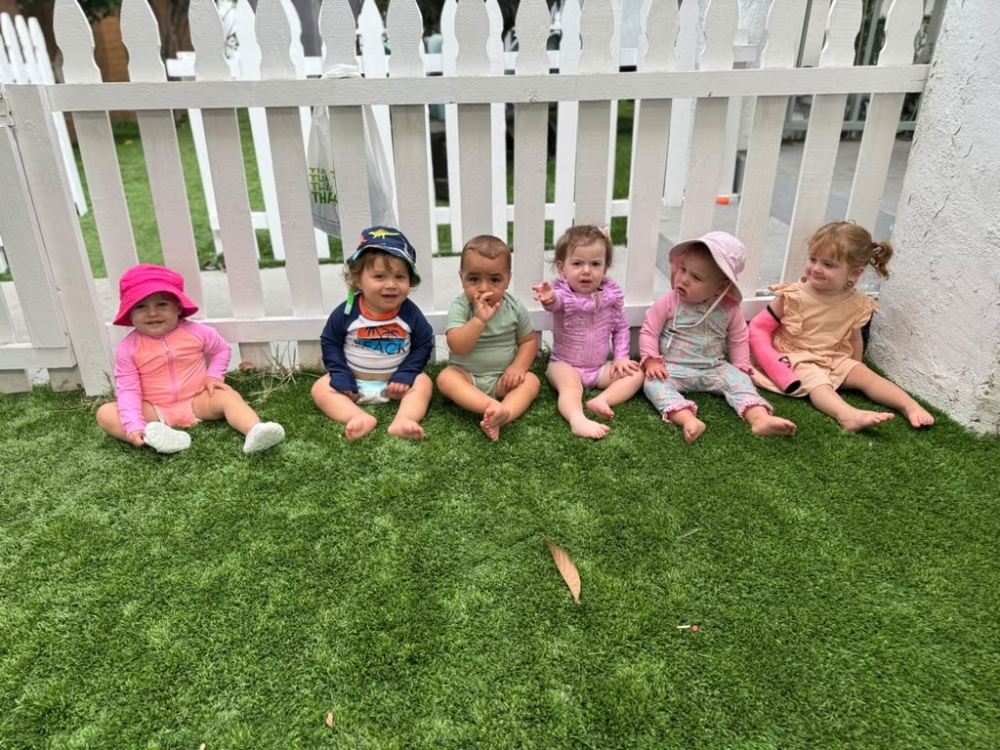
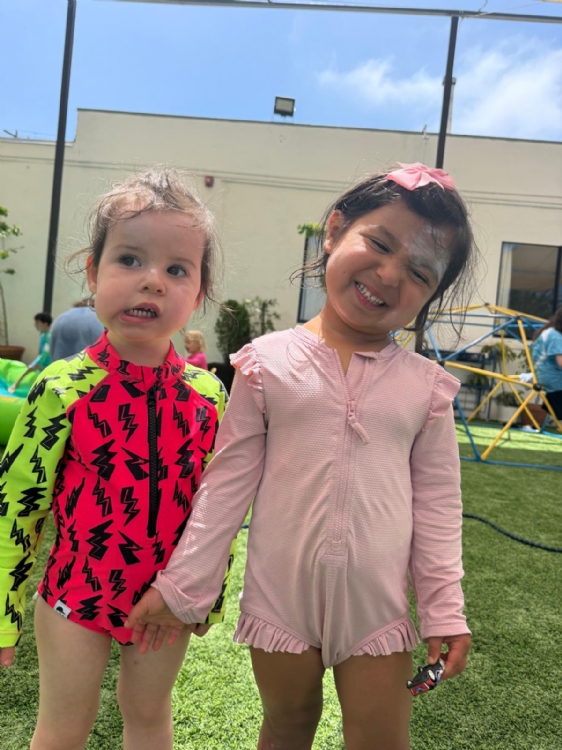
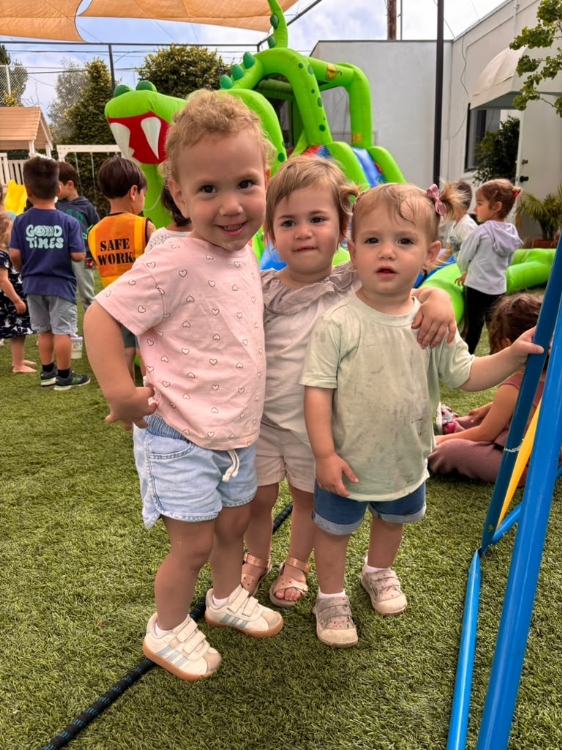
Recent Photos

This Week @ www.ChabadPalisades.com

  
By the Numbers
12 Facts About the Mysterious Red Heifer
One of the Torah’s most enigmatic commandments that left even King Solomon, the wisest of all humans, utterly perplexed.
  
Your Questions
Do Jews Believe in Magic or Witchcraft?
The answer seems simple enough: The Torah itself references witchcraft . . .
  
Quiz
10 Questions: Take the Holy Temple Quiz
What do you know about this holiest spot on earth?
  
History
The Forgotten Pioneer of Chabad Women’s Activism

Parshah in a Nutshell


Parshat Chukat-Balak

The name of the Parshah, “Chukat,” means “Statute [of the Torah]” and it is found in Numbers 19:2. The name of the Parshah, “Balak,” refers to Balak, king of Moab, and it is found in Numbers 22:2.

Moses is taught the laws of the Red Heifer, whose ashes purify a person who has been contaminated by contact with a dead body.

After 40 years of journeying through the desert, the people of Israel arrive in the wilderness of Zin. Miriam dies and the people thirst for water. G-d tells Moses to speak to a rock and command it to give water. Moses gets angry at the rebellious Israelites and strikes the stone. Water issues forth, but Moses is told by G-d that neither he nor Aaron will enter the Promised Land.

Aaron dies at Hor Hahar and is succeeded in the High Priesthood by his son Elazar. Venomous snakes attack the Israelite camp after yet another eruption of discontent in which the people "speak against G-d and Moses"; G-d tells Moses to place a brass serpent upon a high pole, and all who will gaze heavenward will be healed. The people sing a song in honor of the miraculous well that provided the water in the desert. Moses leads the people in battles against the Emorite kings Sichon and Og (who seek to prevent Israel's passage through their territory) and conquers their lands, which lie east of the Jordan.

Balak, the King of Moab, summons the prophet Balaam to curse the people of Israel. On the way, Balaam is berated by his donkey, who sees the angel that G-d sends to block their way before Balaam does. Three times, from three different vantage points, Balaam attempts to pronounce his curses; each time, blessings issue instead. Balaam also prophesies on the end of days and the coming of Moshiach.

The people fall prey to the charms of the daughters of Moab and are enticed to worship the idol Peor. When a high-ranking Israelite official publicly takes a Midianite princess into a tent, Pinchas kills them both, stopping the plague raging among the people.

Learn: Chukat-Balak in Depth
Browse: Chukat-Balak Parshah Columnists
Prep: Devar Torah Q&A for Chukat-Balak
Read: Haftarah in a Nutshell
Play: Chukat-Balak Parshah Quiz

 

Today's Quote

It's better to eat in order to pray than to pray in order to eat
— Rabbi Menachem Mendel of Lubavitch (1789-1866)

Chabad World News