Make the Day Count
ב"ה
Icon
Candle Lighting Time for
Pacific Palisades:
Friday, May 1
7:20 pm

Message from the Rabbi

Dear Friend,

During this period between Passover and Shavuot,, we count the days of the Omer, one by one. It sounds simple, but it’s teaching something real: growth isn’t dramatic. It’s built slowly, day after day.

We tend to wait for big moments, when we’ll feel ready, inspired, different. But most of life isn’t like that. It’s regular days, showing up, doing what needs to be done, even when it feels the same as yesterday.

I once heard about a teacher who had a struggling student. Every morning, he would say to him, “I’m glad you’re here.” Nothing fancy. But years later, the student said that’s what kept him going. Someone noticed he showed up. Someone counted him.

That’s the work we are doing  right now. Count the day, and make the day count. Notice your own effort. Notice someone else too. A small word can carry more weight than you think.

It’s not about doing everything, it’s about doing something, today. And then doing it again tomorrow.

Shabbat Shalom,
Rabbi Zushe Cunin


Shabbat Schedule:

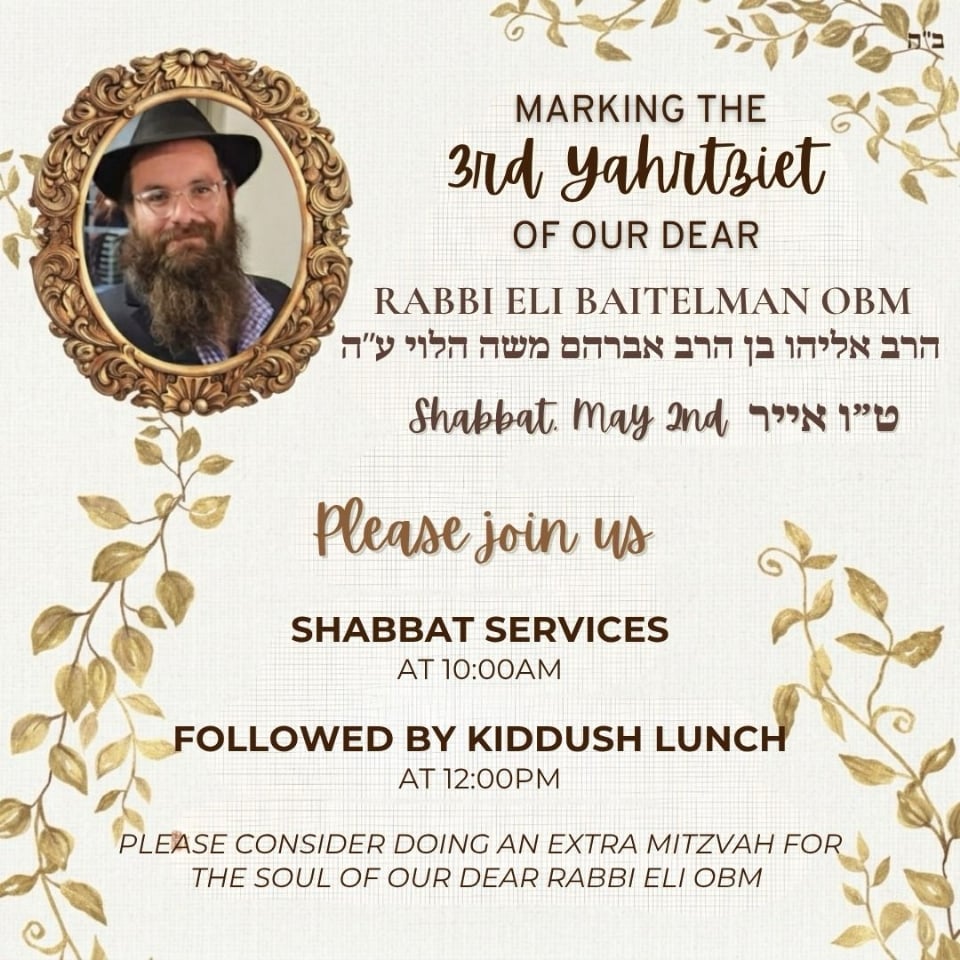
Shabbat, May 2
Morning Service: 10:00am
Followed by Kiddush & Refreshments

Shabbat Ends 8:19pm

Sunday, May 3
Shachris: 8:30am

All services take place at Chabad Castellammare
Please text Rebbetzin Zisi at (310) 628-4446 with any questions.

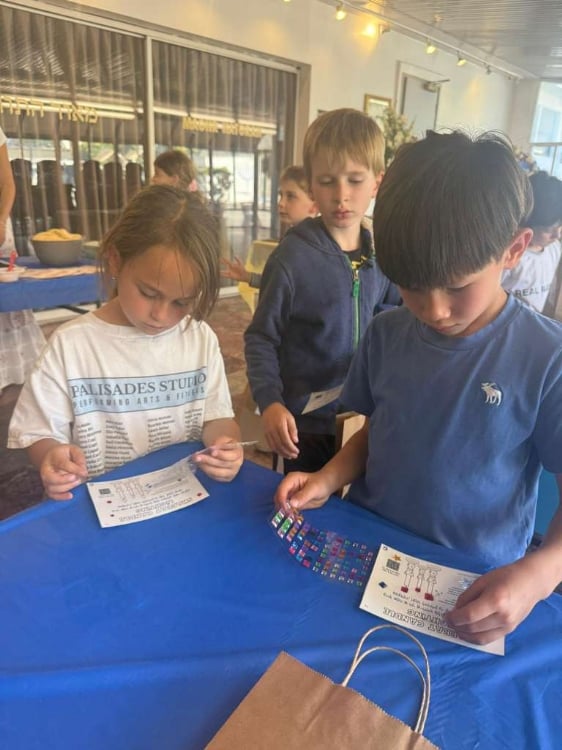
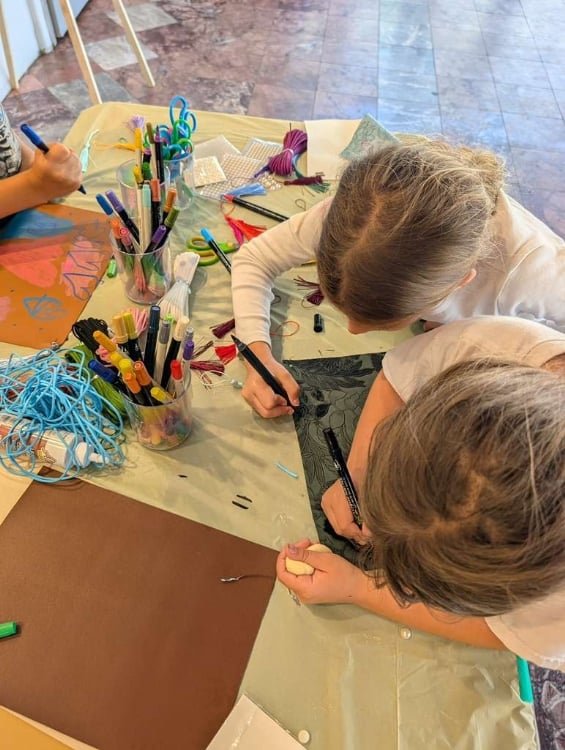
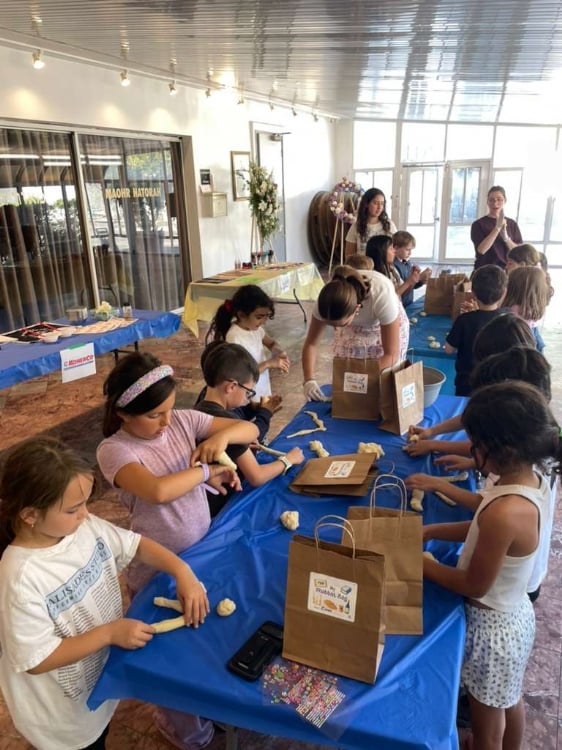
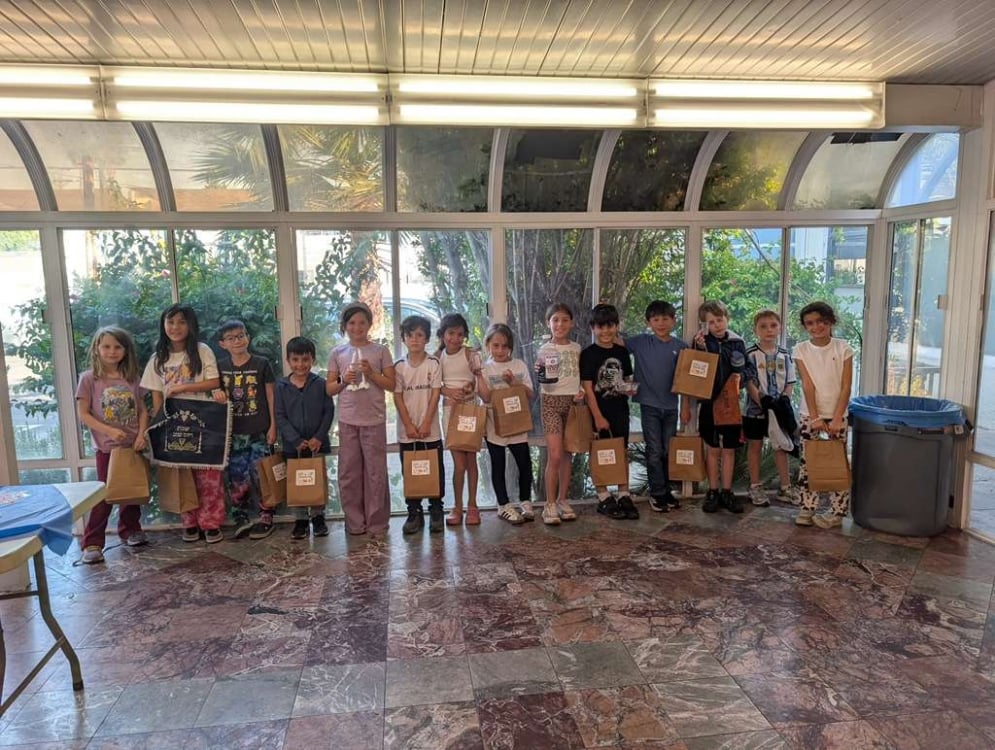
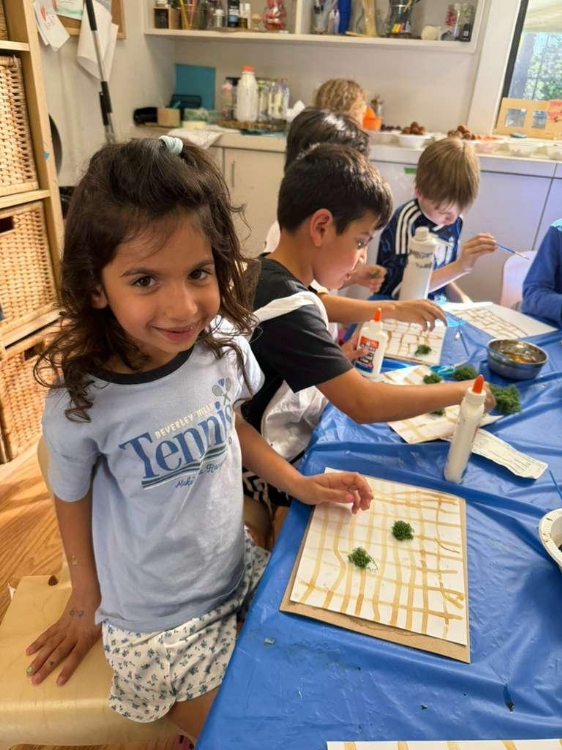
Recent Photos

This Week @ www.ChabadPalisades.com

  
By the Numbers
10 Cities Around the World Called “Jerusalem”
Across the globe, a surprising number of cities have earned the nickname.
  
Your Questions
Why Do We Repeat the Final Words of the Shema?
  
Freeman Files
Is It Good to Have Sinned?
…among other things, I keep on asking myself, “Why did I have to go through all that?” I wasted the first 30 years of my life learning destructive habits.
  
Podcasts
The Rabbi and the Skinhead
Cameron was steeped in white supremacy and neo-Nazi hate. In prison, he met a Chabad chaplain, and his life changed forever.

Parshah in a Nutshell


Parshat Emor

The name of the Parshah, “Emor,” means “speak” and it is found in Leviticus 21:1.

The Torah section of Emor (“Speak”) begins with the special laws pertaining to the kohanim (“priests”), the kohen gadol (“high priest”), and the Temple service: A kohen may not become ritually impure through contact with a dead body, save on the occasion of the death of a close relative. A kohen may not marry a divorcee, or a woman with a promiscuous past; a kohen gadol can marry only a virgin. A kohen with a physical deformity cannot serve in the Holy Temple, nor can a deformed animal be brought as an offering.

A newborn calf, lamb or kid must be left with its mother for seven days before being eligible for an offering; one may not slaughter an animal and its offspring on the same day.

The second part of Emor lists the annual Callings of Holiness—the festivals of the Jewish calendar: the weekly Shabbat; the bringing of the Passover offering on 14 Nissan; the seven-day Passover festival beginning on 15 Nissan; the bringing of the Omer offering from the first barley harvest on the second day of Passover, and the commencement, on that day, of the 49-day Counting of the Omer, culminating in the festival of Shavuot on the fiftieth day; a “remembrance of shofar blowing” on 1 Tishrei; a solemn fast day on 10 Tishrei; the Sukkot festival—during which we are to dwell in huts for seven days and take the “ Four Kinds”—beginning on 15 Tishrei; and the immediately following holiday of the “eighth day” of Sukkot ( Shemini Atzeret).

Next the Torah discusses the lighting of the menorah in the Temple, and the showbread; (lechem hapanim) placed weekly on the table there.

Emor concludes with the incident of a man executed for blasphemy, and the penalties for murder (death) and for injuring one’s fellow or destroying his property (monetary compensation).

Learn: Emor in Depth
Browse: Emor Parshah Columnists
Prep: Devar Torah Q&A for Emor
Read: Haftarah in a Nutshell
Play: Emor Parshah Quiz

 

Today's Quote

For the land into which you are entering, to inherit it, is not like the land of Egypt from which you are coming, that you sow your seed and water it with your feet like a vegetable garden. The land into which you are crossing to inherit is a land of hills and valleys, which drinks water of the rain of the heavens. A land which the L-rd your G-d seeks; constantly the eyes of the L-rd your G-d are on it, from the beginning of the year to the end of the year.
— Deuteronomy 11:10-12

Chabad World News