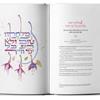
Small ego, BIG revelation
ב"ה
Icon
Candle Lighting Times for
Pacific Palisades:
Friday, Feb. 6
5:12 pm

Message from the Rabbi

Dear Friend,

Parshat Yitro brings us to the heart of Jewish existence, the giving of the Torah at Mount Sinai. Amid thunder, lightning, and awe, the Torah pauses to tell us something deeply human, revelation does not descend into chaos, but into order, humility, and relationship.

Before the Torah is given, Yitro, Moses’ father in law, arrives. He is not born into the story of Israel, he comes from the outside. And yet, he sees something that even Moses momentarily overlooks. He notices that spiritual leadership, when carried alone, can exhaust both leader and people. His advice is simple and grounded, build structure, share responsibility, respect human limits. Only then can the people endure.

Chassidic teachings emphasize that this moment is not incidental. The Baal Shem Tov taught that the Torah could only be given on Mount Sinai because Sinai was the lowest of mountains. Not impressive, not grand, just open. G d does not rest His presence where there is ego or noise, but where there is humility and space to listen.

This is why the Ten Commandments begin with Anochi, “I am.” Before G d asks anything of us, He establishes presence. Before obligation comes relationship. The message is clear, Judaism is not about crushing ourselves under expectations, but about making room for G d within real human life, with schedules, limits, families, and responsibilities.

Parshat Yitro teaches us that holiness is not found in escape, but in alignment. When structure supports spirit, when humility invites revelation, and when we listen, not only to G d, but to one another, Sinai happens again.

May we merit to receive the Torah anew this week, with strength, balance, and an open heart.

Shabbat Shalom,
Rabbi Zushe Cunin


Shabbat Schedule:

 Shabbat, February 6
Morning Service: 10:00am
Followed by Kiddush & Refreshments

Shabbat Ends 6:09pm

Sunday, February 8
Shachris: 8:30am

All services take place at Chabad Castellammare
Please text Rebbetzin Zisi at (310) 628-4446 with any questions.

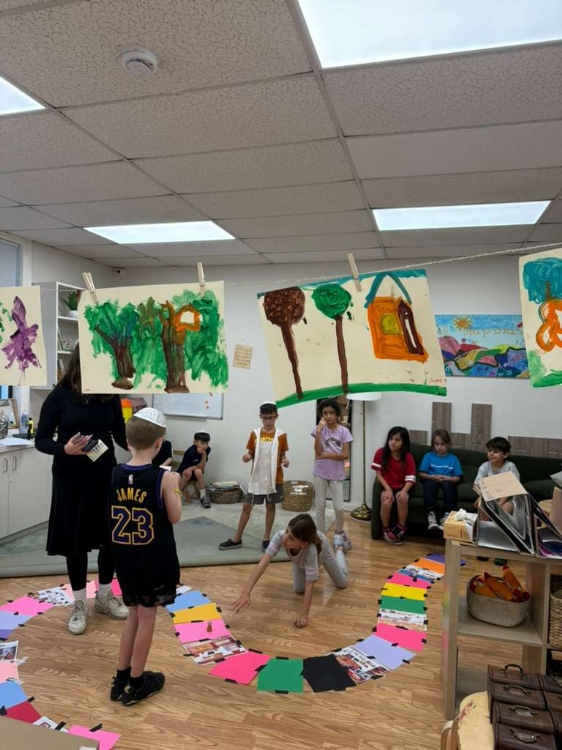
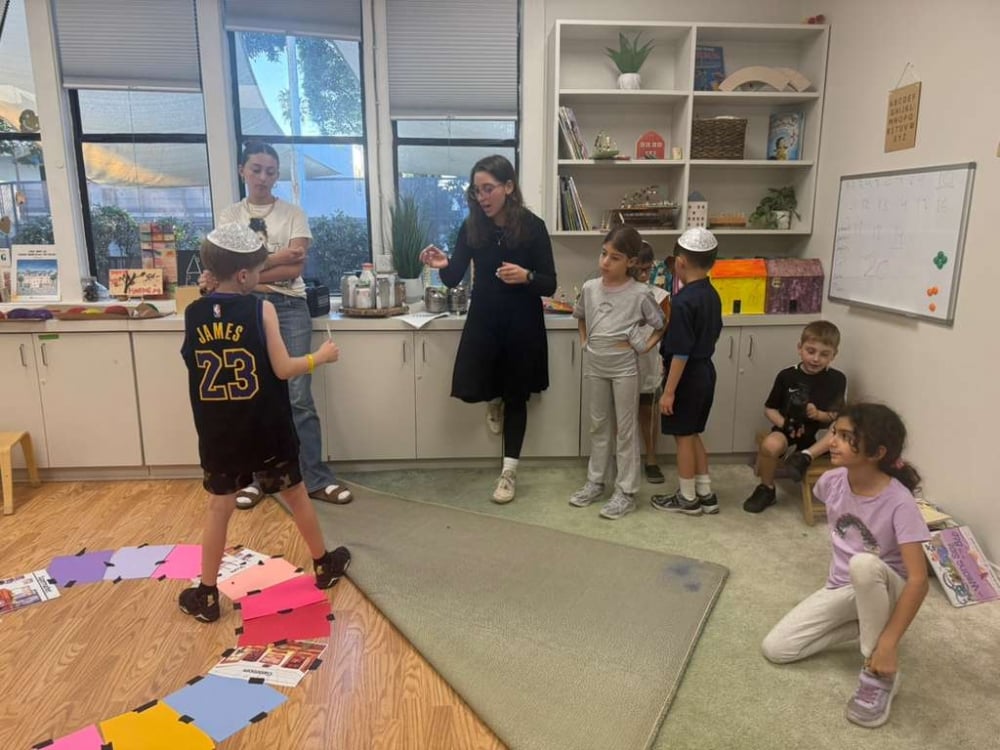
Recent Photos

This Week @ www.ChabadPalisades.com

  
Rambam Study
Top 10 Reasons to Start Learning Rambam Daily Today
Discover the many advantages of delving into Mishneh Torah.
  
By the Numbers
10 Questions About the 10 Commandments
You've seen them everywhere, but do you really know them?
  
Halacha for Life
What You Need to Know About Washing Hands (Not for Bread)
Throughout the day, there are many situations that require different methods of ritual handwashing.
  
The Freeman Files
The Kabbalah of Making Money
Meditation, prayer, mindful eating—those are good. But nothing beats the spiritual transformation that can be accomplished by doing business like a mentch.

Parshah in a Nutshell


Parshat Yitro

The name of the Parshah, "Yitro," means "Jethro" and it is found in Exodus 18:1.

Moses’ father-in-law, Jethro, hears of the great miracles which G‑d performed for the people of Israel, and comes from Midian to the Israelite camp, bringing with him Moses’ wife and two sons. Jethro advises Moses to appoint a hierarchy of magistrates and judges to assist him in the task of governing and administering justice to the people.

The children of Israel camp opposite Mount Sinai, where they are told that G‑d has chosen them to be His “kingdom of priests” and “holy nation.” The people respond by proclaiming, “All that G‑d has spoken, we shall do.”

On the sixth day of the third month ( Sivan), seven weeks after the Exodus, the entire nation of Israel assembles at the foot of Mount Sinai for the Giving of the Torah. G‑d descends on the mountain amidst thunder, lightning, billows of smoke and the blast of the shofar, and summons Moses to ascend.

G‑d proclaims the Ten Commandments, commanding the people of Israel to believe in G‑d, not to worship idols or take G‑d’s name in vain, to keep the Shabbat, honor their parents, not to murder, not to commit adultery, not to steal, and not to bear false witness or covet another’s property. The people cry out to Moses that the revelation is too intense for them to bear, begging him to receive the Torah from G‑d and convey it to them.

Learn: Yitro in Depth
Browse: Yitro Parshah Columnists
Prep: Devar Torah Q&A for Yitro
Read: Haftarah in a Nutshell
Play: Yitro Parshah Quiz

 

Today's Quote

When the tzaddik departs, he is to be found in all worlds, more than during his lifetime
— Zohar

Chabad World News