The Freedom to Journey
ב"ה
Icon
Candle Lighting Times for
Pacific Palisades:
Friday, Jan. 30
5:05 pm

Message from the Rabbi

Dear Friend,

The Israelites have left Egypt, the sea has split before them, and yet almost immediately they are confronted with fear, hunger, and uncertainty. Freedom, it turns out, is not a single moment of triumph, but a journey that requires trust step by step.

The Maggid of Mezritch taught that the splitting of the Sea of Reeds did not only happen once in history. It happens whenever a person steps forward even while the waters still appear closed. Only after Nachshon walked into the sea did it finally part. The miracle followed the courage.

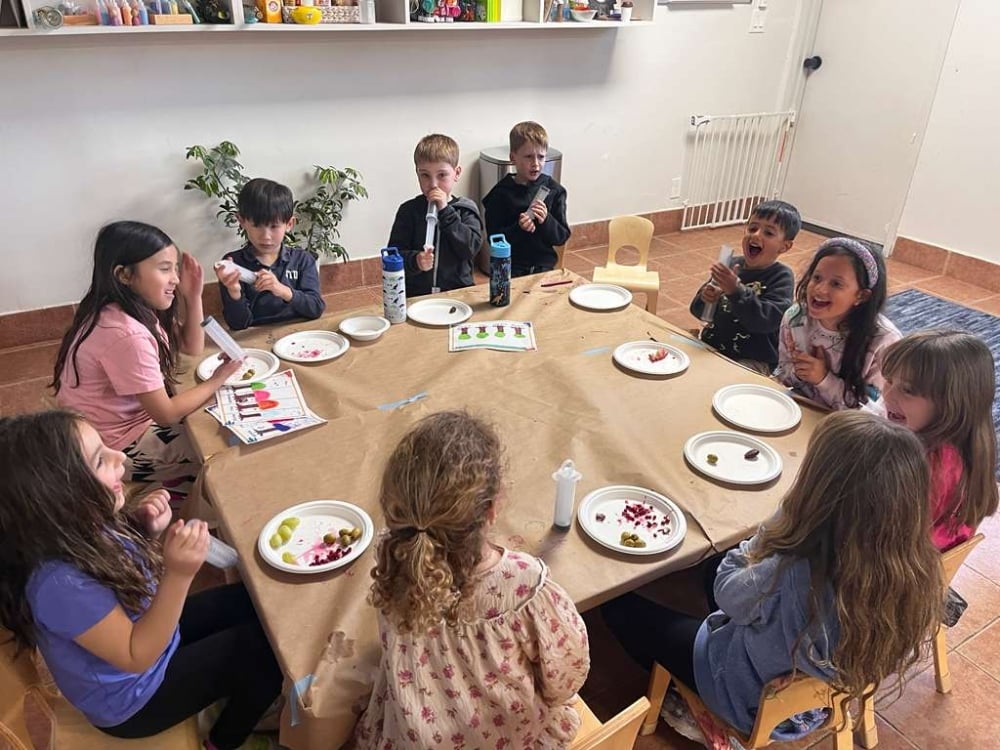
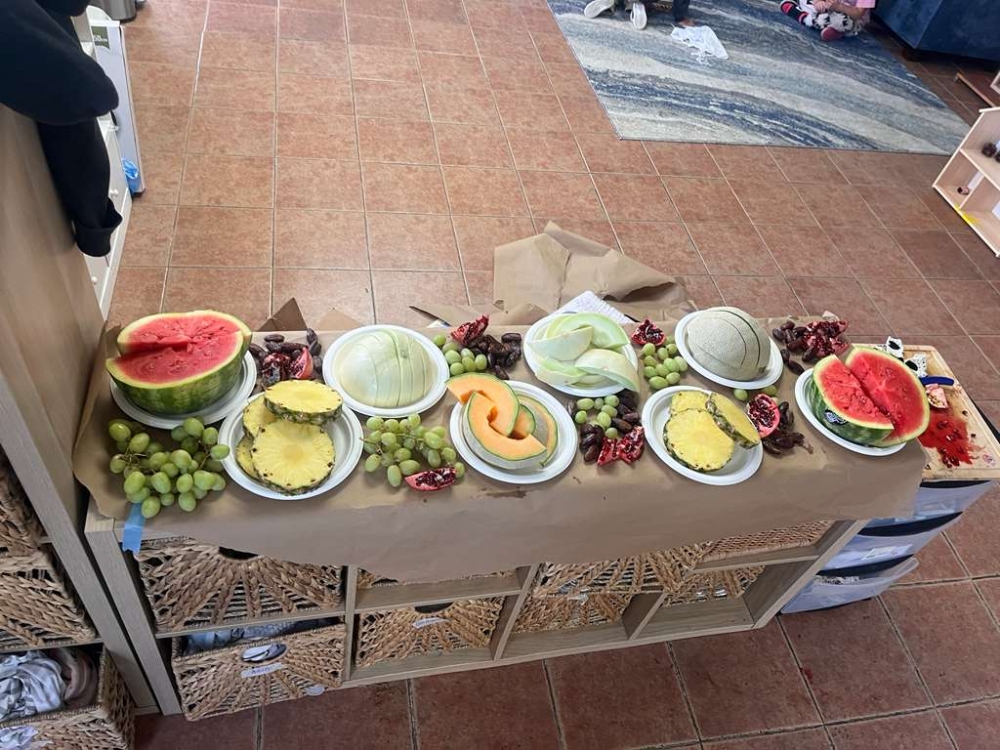
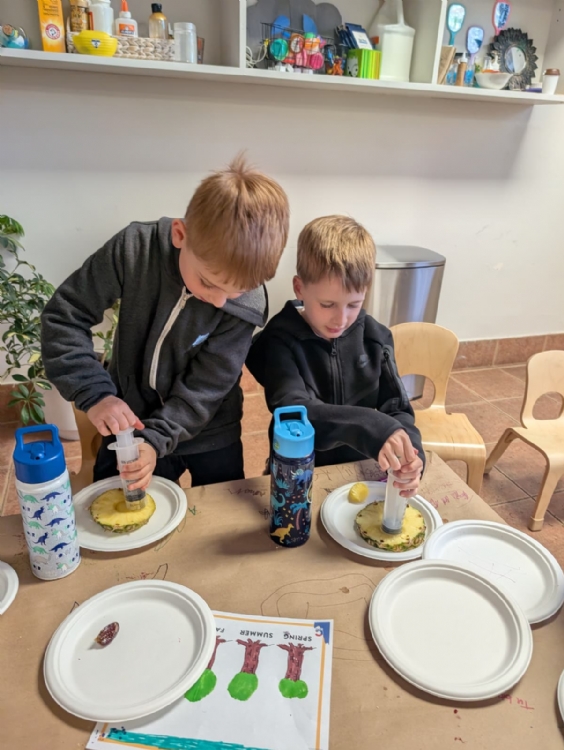
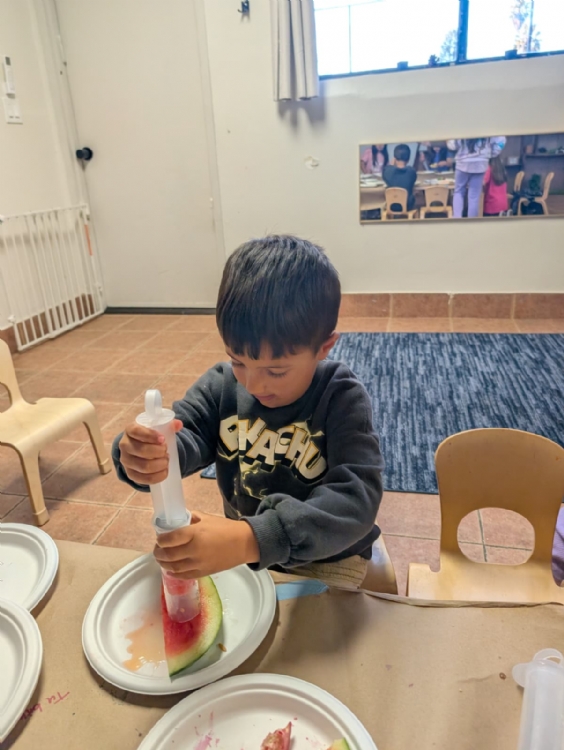
This idea connects deeply to Tu B’Shvat, the New Year of the Trees. On Tu B’Shvat, nothing dramatic seems to happen above ground. The tree may look dormant and unchanged. Yet beneath the surface, the sap begins to rise, roots strengthen, and new life quietly prepares itself. Growth often begins invisibly.

In Beshalach, the people sing at the sea, but soon after they complain about water and food. G-d responds with manna, teaching them to gather only what they need for the day. Like a tree that cannot rush its fruit, they must learn patience and daily trust. Spiritual growth cannot be hoarded; it must be renewed again and again.

Life often places us between Egypt and Sinai, between what was and what will be. We may not yet see the outcome, and the path may feel uncertain. Beshalach teaches us to keep walking. Tu B’Shvat teaches us that even when nothing seems to be happening, deep growth is already underway.

If we continue forward with faith, nourish our roots with Torah and mitzvot, and trust the process, the sea will eventually part, and the fruit will come in its time.

Shabbat Shalom,
Rabbi Zushe Cunin


Shabbat Schedule:

 Shabbat, January 30
Morning Service: 10:00am
Followed by Kiddush & Refreshments

Shabbat Ends 6:03pm

Sunday, February 1
Shachris: 8:30am

All services take place at Chabad Castellammare
Please text Rebbetzin Zisi at (310) 628-4446 with any questions.

Recent Photos

This Week @ www.ChabadPalisades.com

  
10 Shevat Reading
Parabolic Pleasures All The Way Up
  
By the Numbers
10 Facts About the Nash Didan Jews
The community now lives in Israel and the U.S., where their unique language, Lishan Didan, is facing extinction.
  
Your Questions
Why Give a “Get” If I’m Not Religious?
Sometimes, the only way left to honor her dignity and your character is in how you finish.
  
Video
Tending G-d’s Garden
The last discourse that Rabbi Yosef Yitzchak Schneersohn, the Previous Lubavitcher Rebbe, published before his passing commences with the verse “I have come into My garden.” The Previous Rebbe explains that this refers to our world, the innermost dwelling place of G-d.

Parshah in a Nutshell


Parshat Beshalach

The name of the Parshah, "Beshalach," means "When he sent" and it is found in Exodus 13:17.

Soon after allowing the children of Israel to depart from Egypt, Pharaoh chases after them to force their return, and the Israelites find themselves trapped between Pharaoh’s armies and the sea. G‑d tells Moses to raise his staff over the water; the sea splits to allow the Israelites to pass through, and then closes over the pursuing Egyptians. Moses and the children of Israel sing a song of praise and gratitude to G‑d.

In the desert the people suffer thirst and hunger, and repeatedly complain to Moses and Aaron. G‑d miraculously sweetens the bitter waters of Marah, and later has Moses bring forth water from a rock by striking it with his staff. He causes manna to rain down from the heavens before dawn each morning, and quails to appear in the Israelite camp each evening.

The children of Israel are instructed to gather a double portion of manna on Friday, as none will descend on Shabbat, the divinely decreed day of rest. Some disobey and go to gather manna on the seventh day, but find nothing. Aaron preserves a small quantity of manna in a jar, as a testimony for future generations.

In Rephidim, the people are attacked by the Amalekites, who are defeated by Moses’ prayers and an army raised by Joshua.

Learn: Beshalach in Depth
Browse: Beshalach Parshah Columnists
Prep: Devar Torah Q&A for Beshalach
Read: Haftarah in a Nutshell
Play: Beshalach Parshah Quiz

 

Today's Quote

Although a fire descended from heaven upon the Altar, it is a mitzvah to add to it a humanly produced fire
— Talmud, Eruvin 63a

Chabad World News