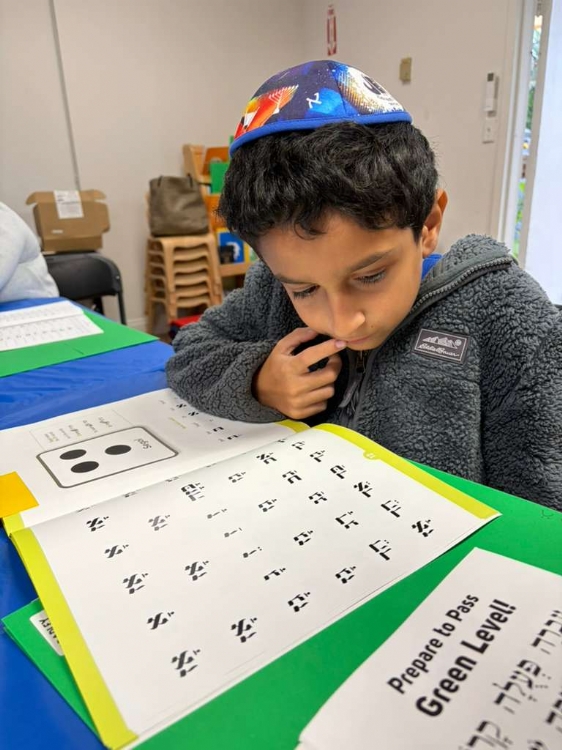
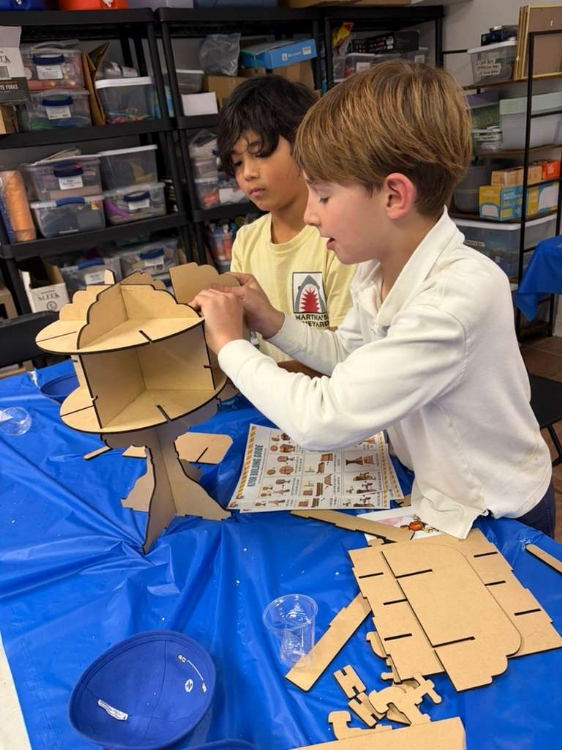
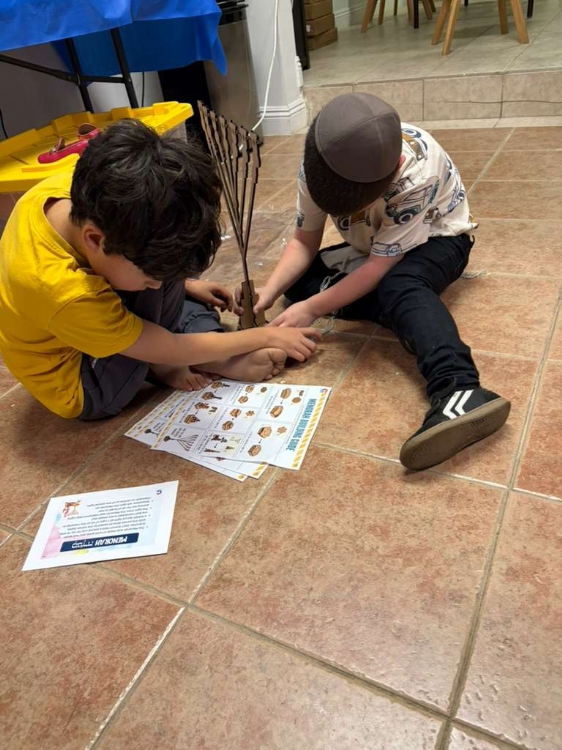
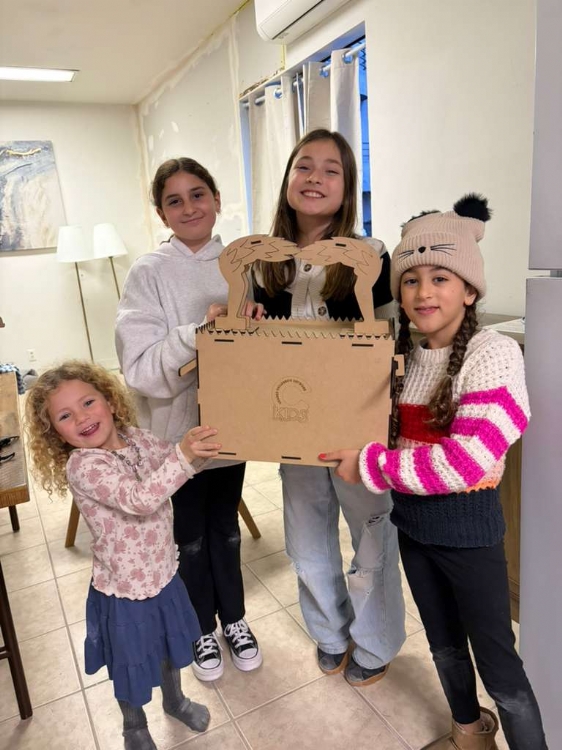
FREEDOM DEMANDS COURAGE
ב"ה
Icon
Candle Lighting Times for
Pacific Palisades:
Friday, Jan. 23
4:58 pm

Message from the Rabbi

Dear Friend,

In this week’s Torah portion, the Jewish people stand on the threshold of freedom. The plagues are ending, Egypt is crumbling, and yet the Torah pauses to command something surprising, the telling of the story to our children. Before the sea splits, before the journey begins, we are told to speak, to remember, to pass meaning forward.

Freedom in the Torah is never just escape from suffering. It is the freedom to live with purpose, awareness, and relationship with G-d. That is why the first commandment given to the newly forming nation is the sanctification of time. Freedom begins when a person knows that his moments matter.

There is a well known story about the Baal Shem Tov. He once encountered a simple Jewish shepherd who could not read. When the time came for prayer, the man recited the Alef Bet slowly and said, “Master of the world, I do not know the words. You know my heart. Please arrange the letters into the prayers You desire.” The Baal Shem Tov said that this prayer pierced the heavens more powerfully than many eloquent words.

Parshat Bo reminds us that redemption does not demand perfection. It asks for honesty, presence, and the courage to take one step forward, even in the dark. G-d does not wait for us to be ready. He invites us to begin.

Shabbat Shalom,
Rabbi Zushe Cunin


Shabbat Schedule:

 Shabbat, January 24
Morning Service: 10:00am
Followed by Kiddush & Refreshments

This week's Kiddush is being sponsored in Memory of Dr. Mayer Khaksouri - celebrating his 6th yahrtzeit and in Memory of Rhonda's brother Benjamin Rahimzadeh who passed away on
December 13, 2025 the 23rd of Kislev

Shabbat Ends 5:56pm

Sunday, January 25
Shachris: 8:30am

All services take place at Chabad Castellammare
Please text Rebbetzin Zisi at (310) 628-4446 with any questions.

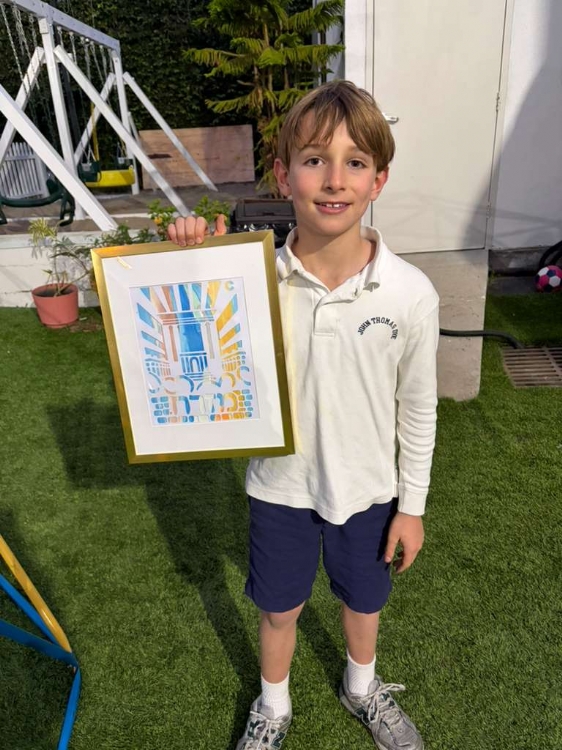
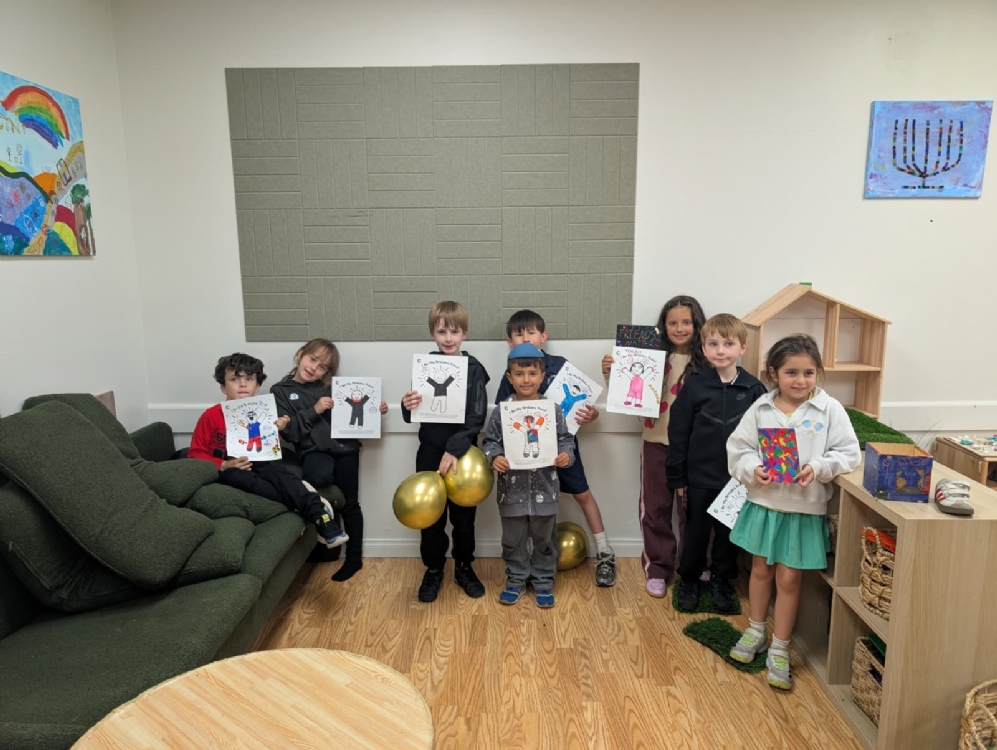
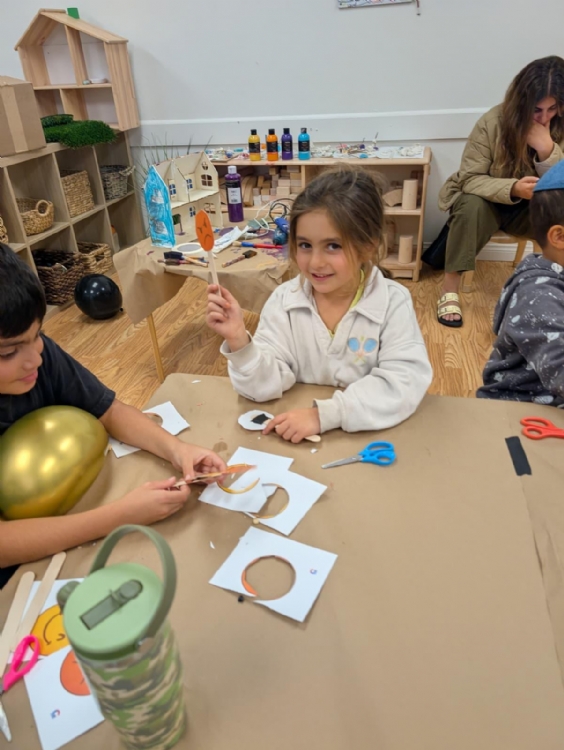
Recent Photos

This Week @ www.ChabadPalisades.com

  
By the Numbers
13 Facts About the Jews of Ukraine
Weathering centuries of pogroms, blood libels, Nazi massacres, and Soviet rule, the Jewish community of Ukraine has shown incredible resilience.
  
The Freeman Files
G-d in the Talmud
In what way are the laws of the Talmud "the wisdom and will of G-d"? What's so "wise" about the how to divide a garment that two people are fighting over? Why G-d would "will" the procedures for buying a donkey?
  
Halachah for Life
What You Need to Know About An Upsherenish
Let’s address some of the questions commonly raised about an upshernish
  
Podcasts
Japan's Afghan-Jewish Fertility Expert
Rabbi Dr. Hertsel Simantov's life is anything but typical. Hear how he was raised in Kabul, educated in Israel, and ended up in Japan with the blessing of the Rebbe.

Parshah in a Nutshell


Parshat Bo

The name of the Parshah, "Bo," means "Come [to Pharaoh]" and it is found in Exodus 10:1.

The last three of the Ten Plagues are visited on Egypt: a swarm of locusts devours all the crops and greenery; a thick, palpable darkness envelops the land; and all the firstborn of Egypt are killed at the stroke of midnight of the 15th of the month of Nissan.

G‑d commands the first mitzvah to be given to the people of Israel: to establish a calendar based on the monthly rebirth of the moon. The Israelites are also instructed to bring a “Passover offering” to G‑d: a lamb or kid goat is to be slaughtered, and its blood sprinkled on the doorposts and lintel of every Israelite home, so that G‑d should pass over these homes when He comes to kill the Egyptian firstborn. The roasted meat of the offering is to be eaten that night together with matzah (unleavened bread) and bitter herbs.

The death of the firstborn finally breaks Pharaoh’s resistance, and he literally drives the children of Israel from his land. So hastily do they depart that there is no time for their dough to rise, and the only provisions they take along are unleavened. Before they go, they ask their Egyptian neighbors for gold, silver and garments—fulfilling the promise made to Abraham that his descendants would leave Egypt with great wealth.

The children of Israel are commanded to consecrate all firstborn, and to observe the anniversary of the Exodus each year by removing all leaven from their possession for seven days, eating matzah, and telling the story of their redemption to their children. They are also commanded to wear tefillin on the arm and head as a reminder of the Exodus and their resultant commitment to G‑d.

Learn: Bo in Depth
Browse: Bo Parshah Columnists
Prep: Devar Torah Q&A for Bo
Read: Haftarah in a Nutshell
Play: Bo Parshah Quiz

 

Today's Quote

"Wealth and riches are in his home, and his charity endures forever" (Psalms 112:3) -- this refers to one who writes books and loans them out to others
— Talmud, Ketubot 50a

Chabad World News