Planting Seeds of Greatness
ב"ה
Icon
Candle Lighting Times for
Pacific Palisades:
Friday, Jan. 2
4:39 pm

Message from the Rabbi

Dear Friend,

In this week’s Torah reading, Vayechi, Jacob gathers his sons and blesses them. What is striking is that not every blessing sounds like a blessing. Some verses read like rebuke, and yet the Torah refers to all of them as blessings. How can that be?

The Lubavitcher Rebbe explains that a "blessing" doesn’t always mean affirmation of where we are right now, sometimes it is the gift of revealing where they can be. Jacob saw the essence of each child, their potential and what was holding it back. His words were not merely observations; they were transformations, tools empowering each son to grow into his truest self.

There is a well-known teaching that reflects this idea. The Tzemach Tzedek once told a chassid facing great difficulty, “Tracht gut vet zayn gut,” think good and it will be good. Not because positive thinking magically changes reality, but because believing in who you can become opens the door to real change. This, too, is a blessing, one that activates growth.

As we enter the year 2026, we are reminded that in Judaism, the number 26 carries special significance. It is the gematria of the sacred four-letter Name of G-d, associated in Kabbalistic teachings with revealed blessings and open miracles. A year bearing this number invites us to see blessings not only in what is revealed, but also in what is unfolding.

Like Jacob, we bless those around us not only by acknowledging their successes, but by expressing faith in their future. When we see our children, our students, and our community not only as they are, but as they can become, we offer them the greatest gift of all, belief.

May we merit that 2026 be a year filled with revealed blessings, miracles, and good news, and may we learn to speak words that awaken the greatness within ourselves and others.

Shabbat Shalom,
Rabbi Zushe Cunin


Shabbat Schedule:

 Shabbat, January 3
Morning Service: 10:00am
Followed by Kiddush & Refreshments

Shabbat Ends 5:38pm

Sunday, January 4
Shachris: 8:30am

All services take place at Chabad Castellammare.
If it is raining they will take place at Chabad at 17315 Sunset Blvd.
Please text Rebbetzin Zisi at (310) 628-4446 with any questions.

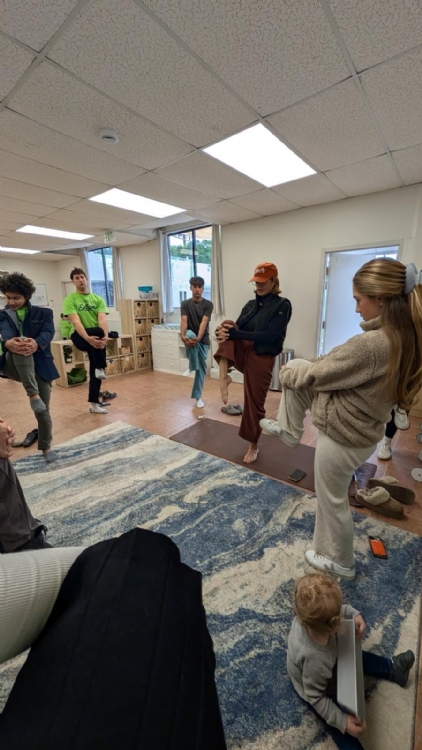
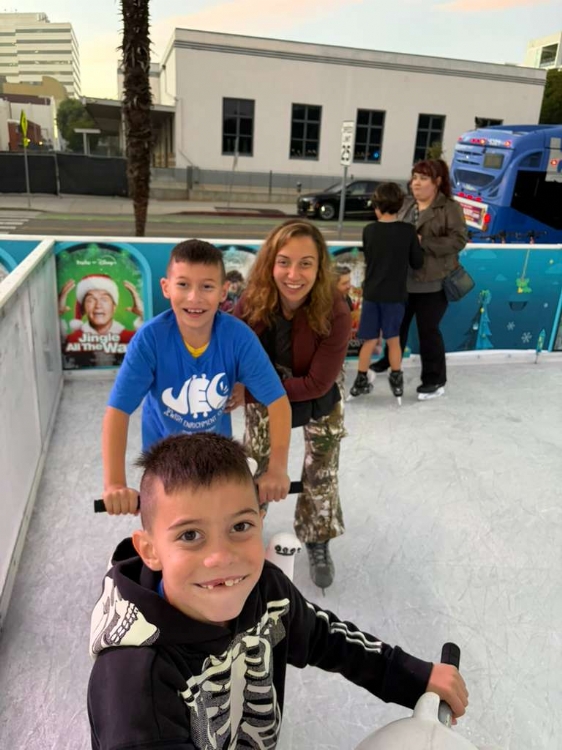
Recent Photos

This Week @ www.ChabadPalisades.com

  
By the Numbers
11 Jewish Languages Past and Present
While you may have heard of Hebrew, Yiddish, and Ladino, there are actually many other Jewish languages.
  
Your Questions
What Is the Jewish View on Assisted Suicide?
Life is a divine trust of infinite value, something no person has the right to give up or take away.
  
Video
What Is Shabbat?
Learn the basics of the Sabbath, the Jewish day of rest since Biblical times, how it is observed and what it means.
  
Podcasts
Bringing Light to Alaska's Darkest Days
Chani Wolf shares how she and her husband are lighting up souls in Fairbanks, Alaska, where winter feels like one endless, snowy night.

Parshah in a Nutshell


Parshat Vayechi

The name of the Parshah, "Vayechi," means "And he lived" and it is found in Genesis 47:28.

Jacob lives the final 17 years of his life in Egypt. Before his passing, he asks Joseph to take an oath that he will bury him in the Holy Land. He blesses Joseph’s two sons, Manasseh and Ephraim, elevating them to the status of his own sons as progenitors of tribes within the nation of Israel.

The patriarch desires to reveal the end of days to his children, but is prevented from doing so.

Jacob blesses his sons, assigning to each his role as a tribe: Judah will produce leaders, legislators and kings; priests will come from Levi, scholars from Issachar, seafarers from Zebulun, schoolteachers from Simeon, soldiers from Gad, judges from Dan, olive-growers from Asher, and so on. Reuben is rebuked for “confusing his father’s marriage bed”; Simeon and Levi, for the massacre of Shechem and the plot against Joseph. Naphtali is granted the swiftness of a deer, Benjamin the ferociousness of a wolf, and Joseph is blessed with beauty and fertility.

A large funeral procession consisting of Jacob’s descendants, Pharaoh’s ministers, the leading citizens of Egypt and the Egyptian cavalry accompanies Jacob on his final journey to the Holy Land, where he is buried in the Machpelah Cave in Hebron.

Joseph, too, dies in Egypt, at the age of 110. He, too, instructs that his bones be taken out of Egypt and buried in the Holy Land, but this would come to pass only with the Israelites’ exodus from Egypt many years later. Before his passing, Joseph conveys to the Children of Israel the testament from which they will draw their hope and faith in the difficult years to come: “G‑d will surely remember you, and bring you up out of this land to the land of which He swore to Abraham, Isaac and Jacob.”

Learn: Vayechi in Depth
Browse: Vayechi Parshah Columnists
Prep: Devar Torah Q&A for Vayechi
Read: Haftarah in a Nutshell
Play: Vayechi Parshah Quiz

 

Today's Quote

The Torah of Your mouth is more desirable to me than thousands in gold and silver
— Psalms 119:72

Chabad World News