ABRAHAM AND THE FIRST WORLD WAR
ב"ה

Message from the Rabbi

Dear Friend,

In this week’s Torah reading, our forefather Abraham teaches us what true Jewish courage looks like. When he hears that his nephew Lot was taken captive, Abraham does not hesitate. He gathers a small band of loyal followers and pursues four mighty kings, an empire that had just crushed five kingdoms in what the Sages describe as the world’s first great international war.

Logically, the mission was impossible, one man against empires. But Abraham understood a truth that has defined our people ever since, when even one Jew is in danger, we do not ask if the odds make sense. We go. We fight. We save life.

Our tradition emphasizes that Abraham’s battle was not only military, it was an act of faith and self-sacrifice. He believed that when you stand for holiness and goodness, G-d stands with you.

A story is told of the Baal Shem Tov. Once, he heard that a simple Jew was unjustly arrested and faced a harsh decree. Without hesitation, the Baal Shem Tov traveled across dangerous winter roads simply to advocate for this one Jew. “For one soul,” he taught, “heaven and earth move.”

Today, in the Land of Israel, we feel this deeply. We pray daily for our soldiers, hostages, and every innocent life. The world may speak in statistics, but Torah reminds us, a single life is an entire world.

Abraham did not fight for conquest, he fought for family, faith, and the infinite value of each soul.

May we walk in his footsteps, with courage, faith, and a love for every Jew that knows no limits.

Shabbat Shalom,
Rabbi Zushe Cunin

Upcoming Events

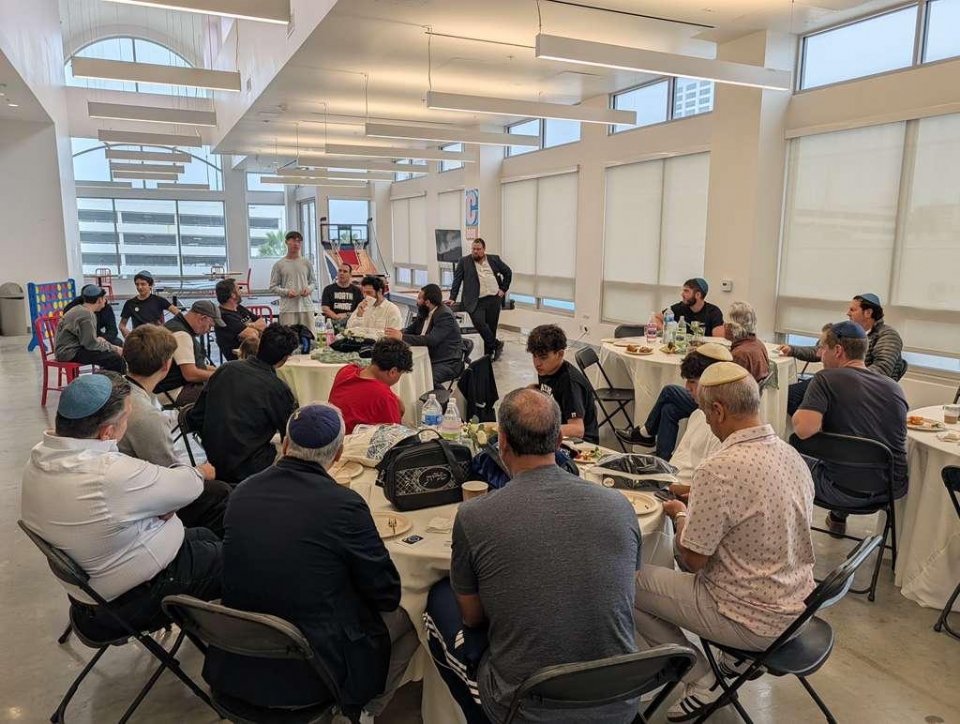
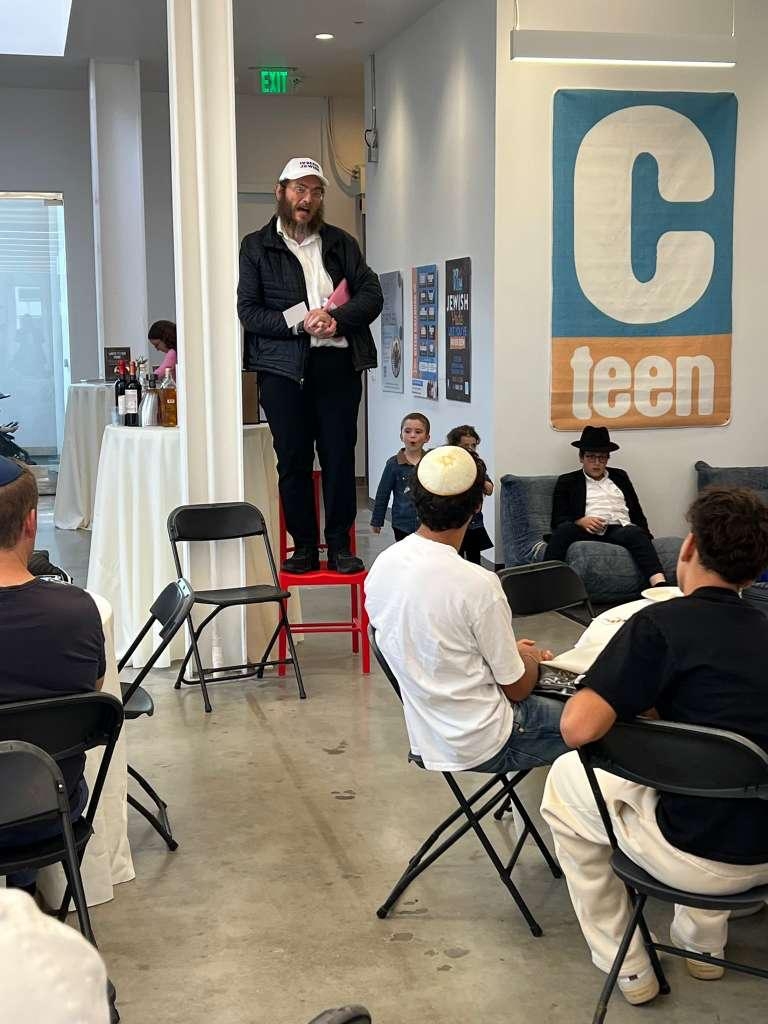
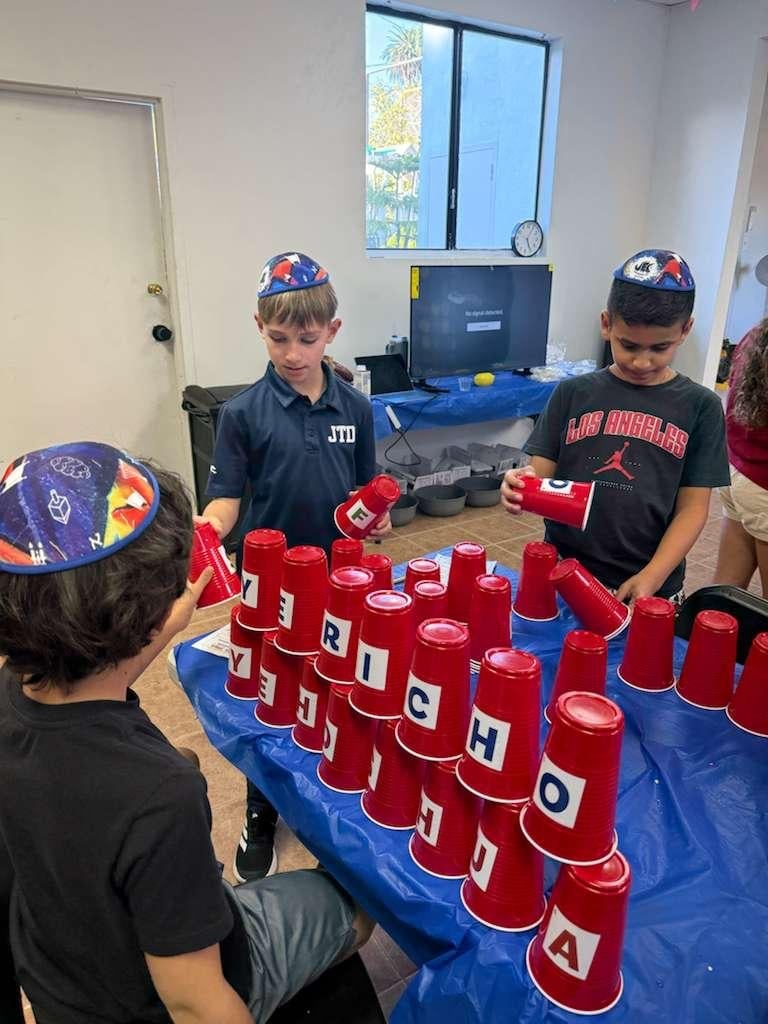
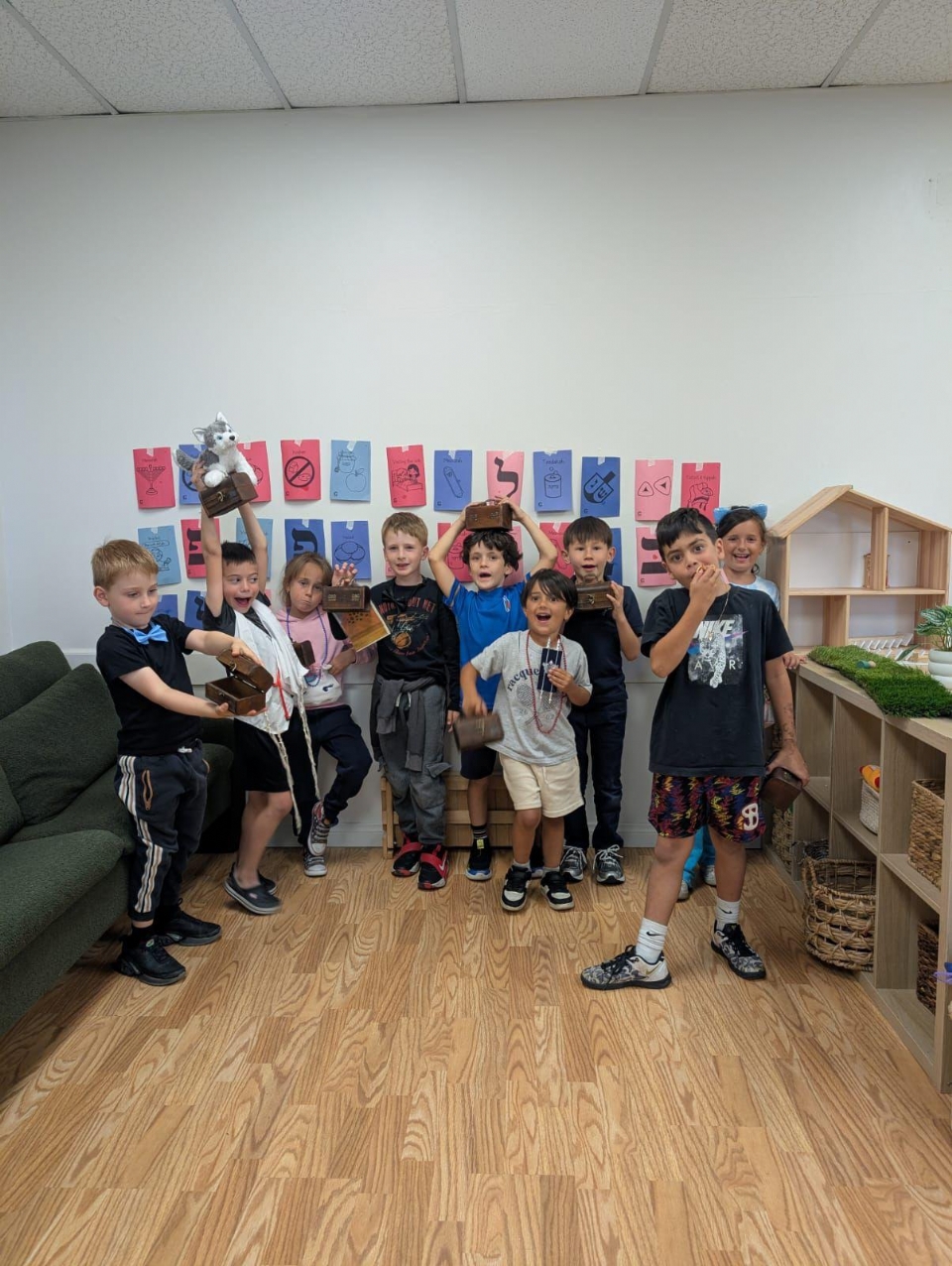
Recent Photos

View More Photos →

This Week @ ChabadPalisades.com

   
By the Numbers
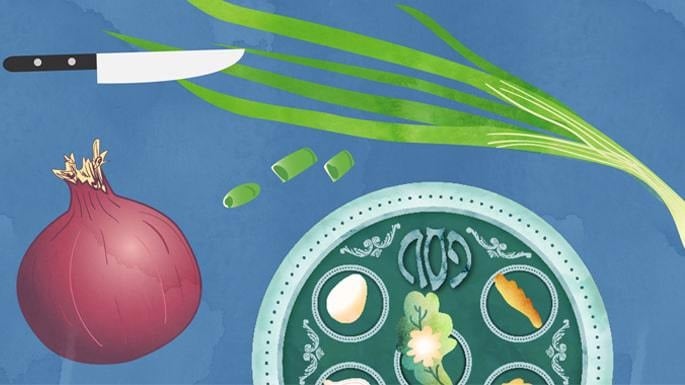
9 Surprising and Significant Things Jews Do With Onions
Discover what Jews do with this kitchen staple.
   
Your Questions
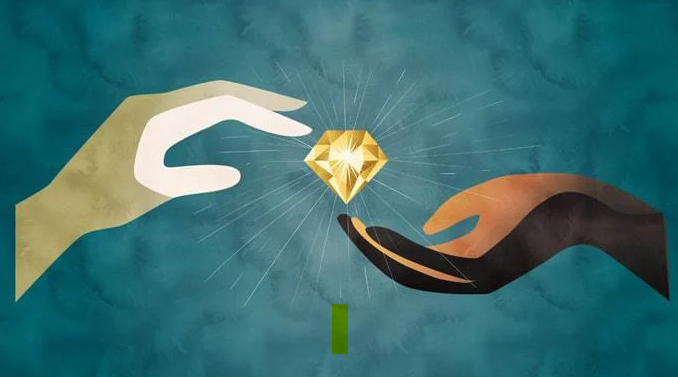
Rabbi: What If I Just Bought the Jewels Stolen from the Louvre?
Buying stolen goods is described by the Sages as a “grave sin,” since doing so supports and encourages theft. But what if I was unaware?
   
In Tribute
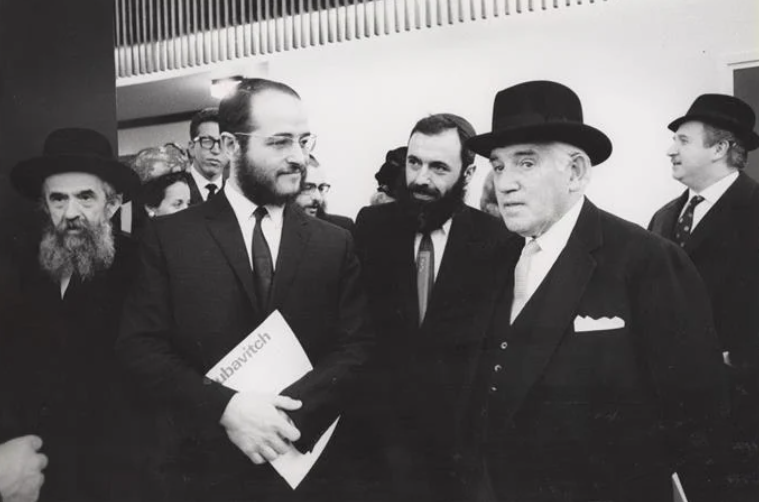
Strong Roots in Unyielding Soil: Faivish Vogel and the Reenergization of British Jewry
   
Podcasts
I Was a Mess Inside—Torah Showed Me The Way
Marriage, praise, and professional success could not give Shterna Ginsberg what she was looking for. Honest discovery and inner work unlocked the doors to her "awesome self."

Parshah in a Nutshell


Parshat Lech-Lecha

The name of the Parshah, "Lech Lecha," means "Go Forth" and it is found in Genesis 12:1.

G‑d speaks to  Abram, commanding him, “ Go from your land, from your birthplace and from your  father’s house, to the land  which I will show you.” There, G‑d says, he will be made into a great nation. Abram and his wife,  Sarai, accompanied by his nephew  Lot, journey to the land of Canaan, where Abram  builds an altar and continues to  spread the message of a one G‑d.

famine forces the first Jew to  depart for Egypt, where beautiful  Sarai is taken to Pharaoh’s palace; Abram escapes death because they present themselves as brother and sister. A plague prevents the Egyptian king from touching her, and convinces him to return her to Abram and to compensate the brother-revealed-as-husband with gold, silver and cattle.

Back in the land of Canaan, Lot separates from Abram and settles in the evil city of  Sodom, where he falls captive when the mighty armies of Chedorlaomer and his three allies conquer the five cities of the Sodom Valley. Abram sets out with a small band to  rescue his nephew, defeats the four kings, and is blessed by  Malki-Zedek the king of Salem ( Jerusalem).

G‑d seals the  Covenant Between the Parts with Abram, in which the exile and persecution  (galut) of the people of Israel is foretold, and the  Holy Land is bequeathed to them as their  eternal heritage.

Still childless ten years after their arrival in the Land,  Sarai tells Abram to marry her maidservant  Hagar. Hagar conceives, becomes insolent toward her mistress, and then flees when Sarai treats her harshly; an angel convinces her to return, and tells her that her son will father a populous nation.  Ishmael is born in Abram’s eighty-sixth year.

Thirteen years later,  G‑d changes  Abram’s name to Abraham (“father of multitudes”), and  Sarai’s to Sarah (“princess”), and promises that a son will be born to them; from this child, whom they should call  Isaac (“will laugh”), will stem the great nation with which G‑d will establish His special bond. Abraham is commanded to  circumcise himself and his descendants as a “sign of the covenant between Me and you.” Abraham immediately complies, circumcising himself and all the males of his household.

Learn:  Lech Lecha in Depth
Browse:  Lech Lecha Parshah Columnists
Prep:  Devar Torah Q&A for Lech Lecha
Read:  Haftarah in a Nutshell
Play:  Lech Lecha Parshah Quiz


Today's Quote

Said Adrianus to Rabbi Joshua ben Chananyah: "How difficult it is for the sheep who grazes in the midst of seventy wolves!" Said Rabbi Joshua to him: "How powerful is the Shepherd who protects her from them."

— Midrash Yalkut Shimoni

Chabad World News

   
News Brief
The Hostage’s Tefillin Wrapped Round the World
   
Obituary
Strong Roots in Unyielding Soil: Faivish Vogel and the Reenergization of British Jewry
   
Asia
Record-Breaking Floods Strike Chabad House in Hoi An, Vietnam
   
Caribbean
Hurricane Melissa Devastates Jamaica and Its Chabad Center