Finding Strength in Joy – Celebrate with Us!
ב"ה

Message from the Rabbi

Dear Friend,

It was so wonderful to be together for Yom Kippur, praying side by side and drawing strength from one another.

Now we move from the solemnity of Yom Kippur to the joy of Sukkot—the holiday of good food, celebration, and sitting outside under the stars.

After a year like this, celebrating can feel difficult. We’ve just learned of a terrible attack on a synagogue in Manchester, our brothers and sisters are still held in Gaza, and the war against Hamas continues.

Is it even right to celebrate? The Torah’s answer is a resounding yes. As the Rebbe taught, what we usually accomplish through tearful supplication can be achieved through joy and faith. Now is the time to celebrate—in public and together!

Beneath the sukkah’s branches lies a powerful message about Jewish unity. The sukkah is more than a hut—it’s a space where everyone belongs, regardless of background. The Talmud teaches, “All Israel is worthy to sit in one sukkah.”

The Four Kinds also reflect our people: each unique, yet all indispensable. Only together is the mitzvah complete. This teaches that true unity celebrates both our shared soul and our differences.

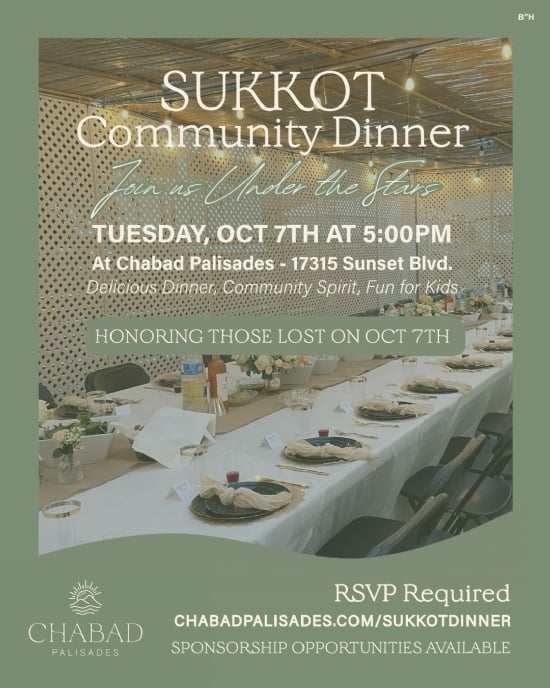
Our big sukkah is ready to welcome you for Community Sukkot Dinner on Tuesday, October 7th at 5:00 pm. Let’s celebrate with joy, honor the victims of October 7th, and cherish our bonds as a people. RSVP required: chabadpalisades.com/sukkotdinner.

May this Sukkot inspire a deeper sense of Ahavat Yisrael—love for every Jew.

Shabbat Shalom & Chag Sameach!
Rabbi Zushe Cunin

Upcoming Events

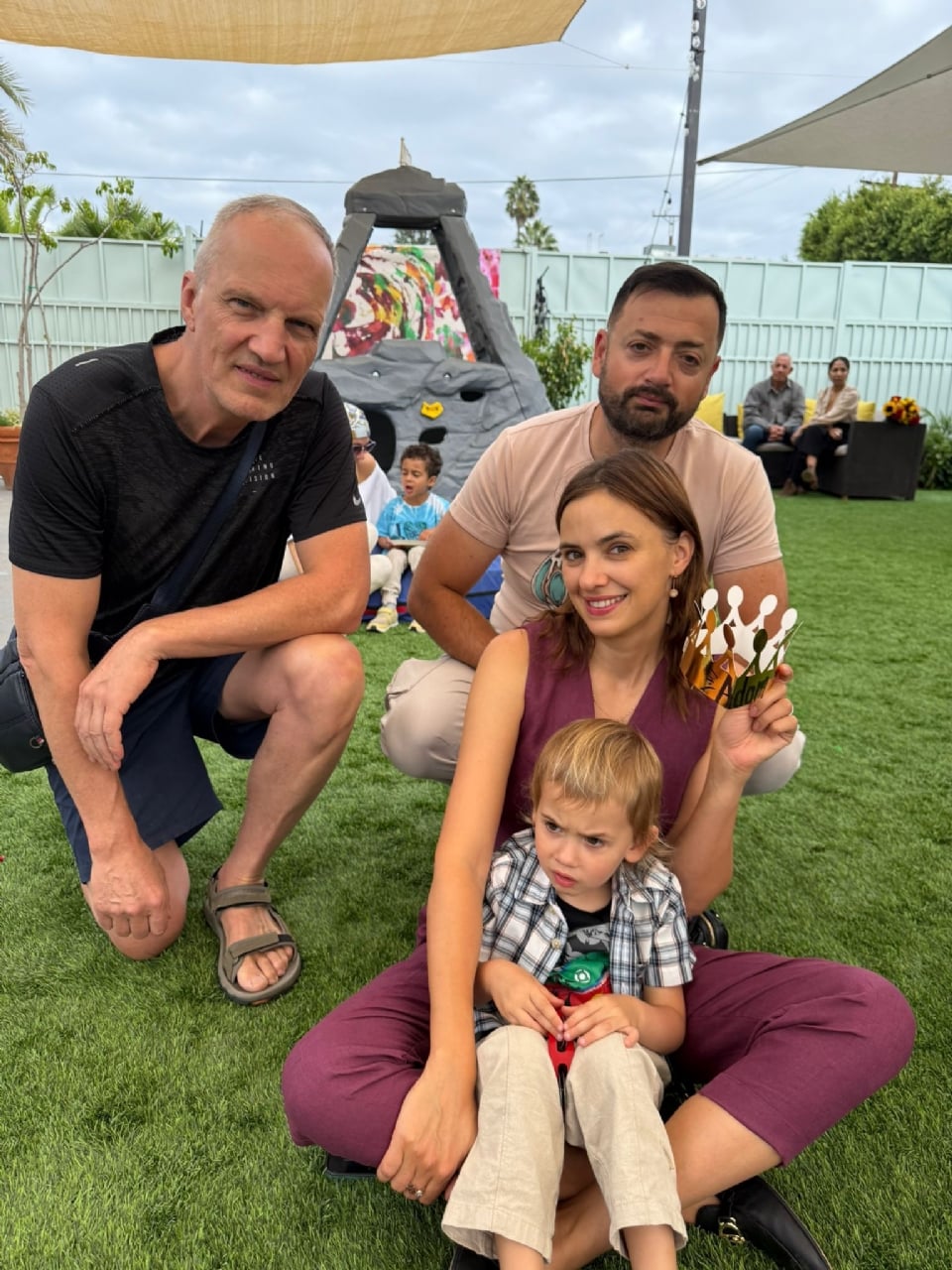
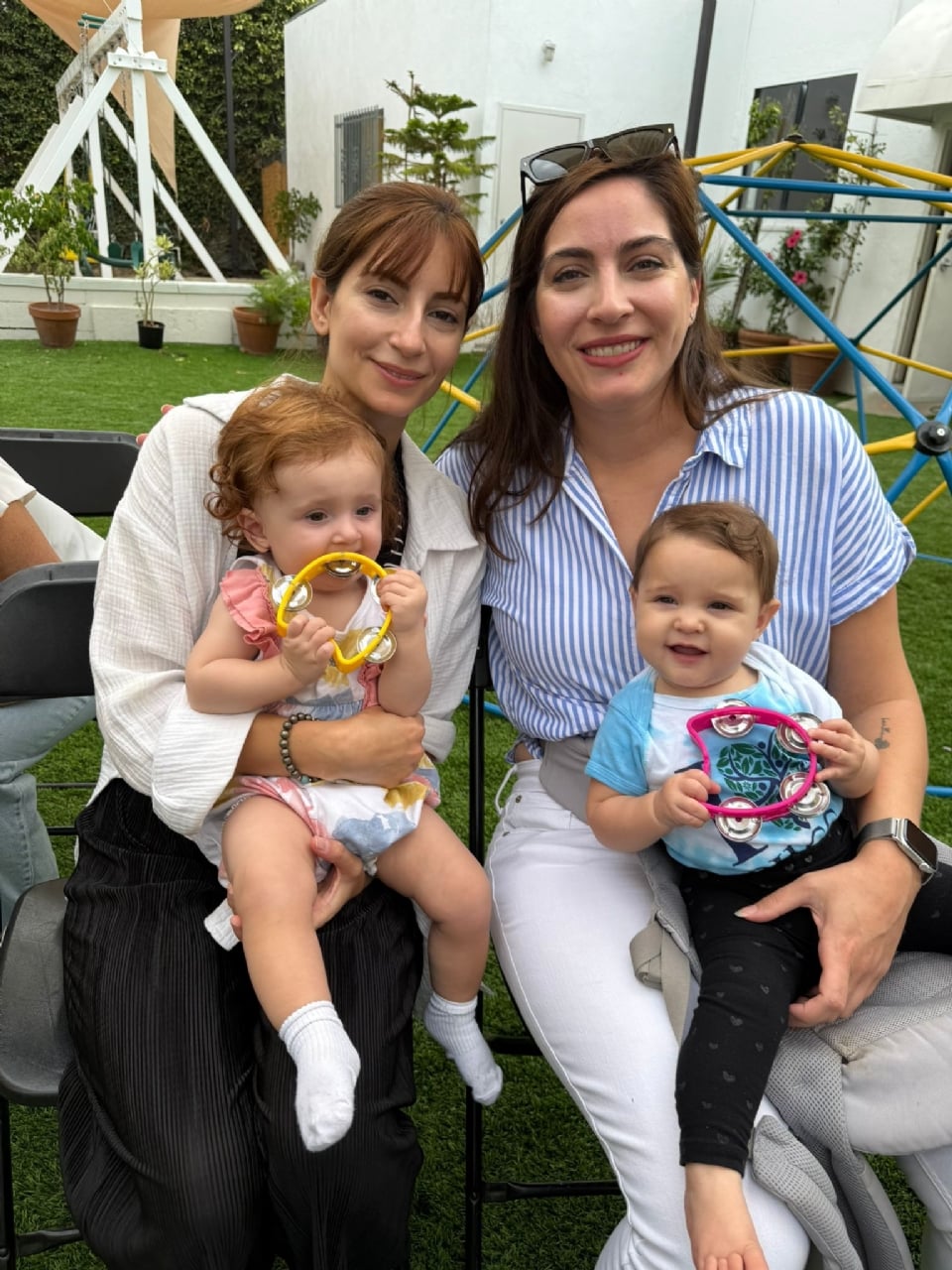
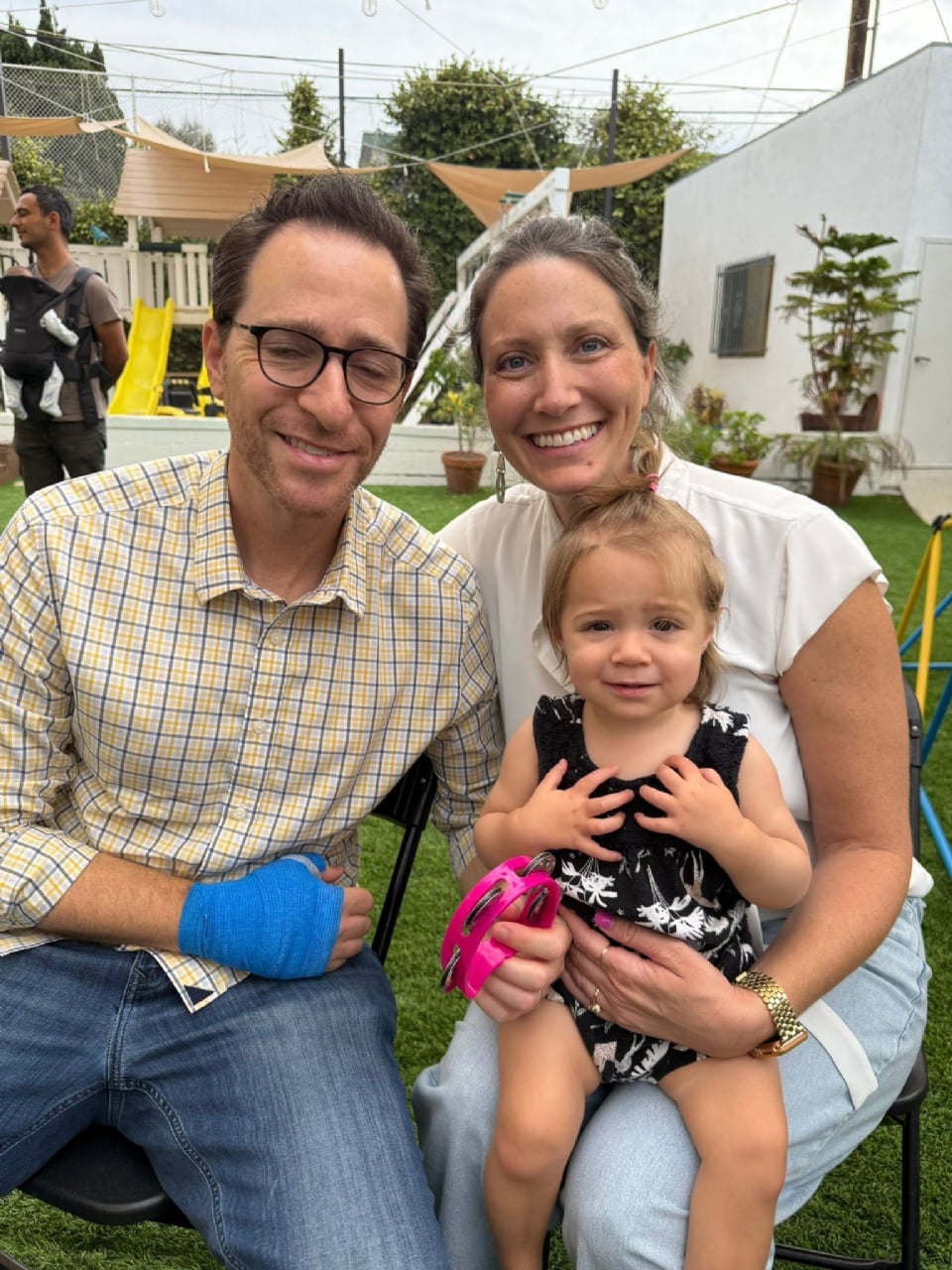
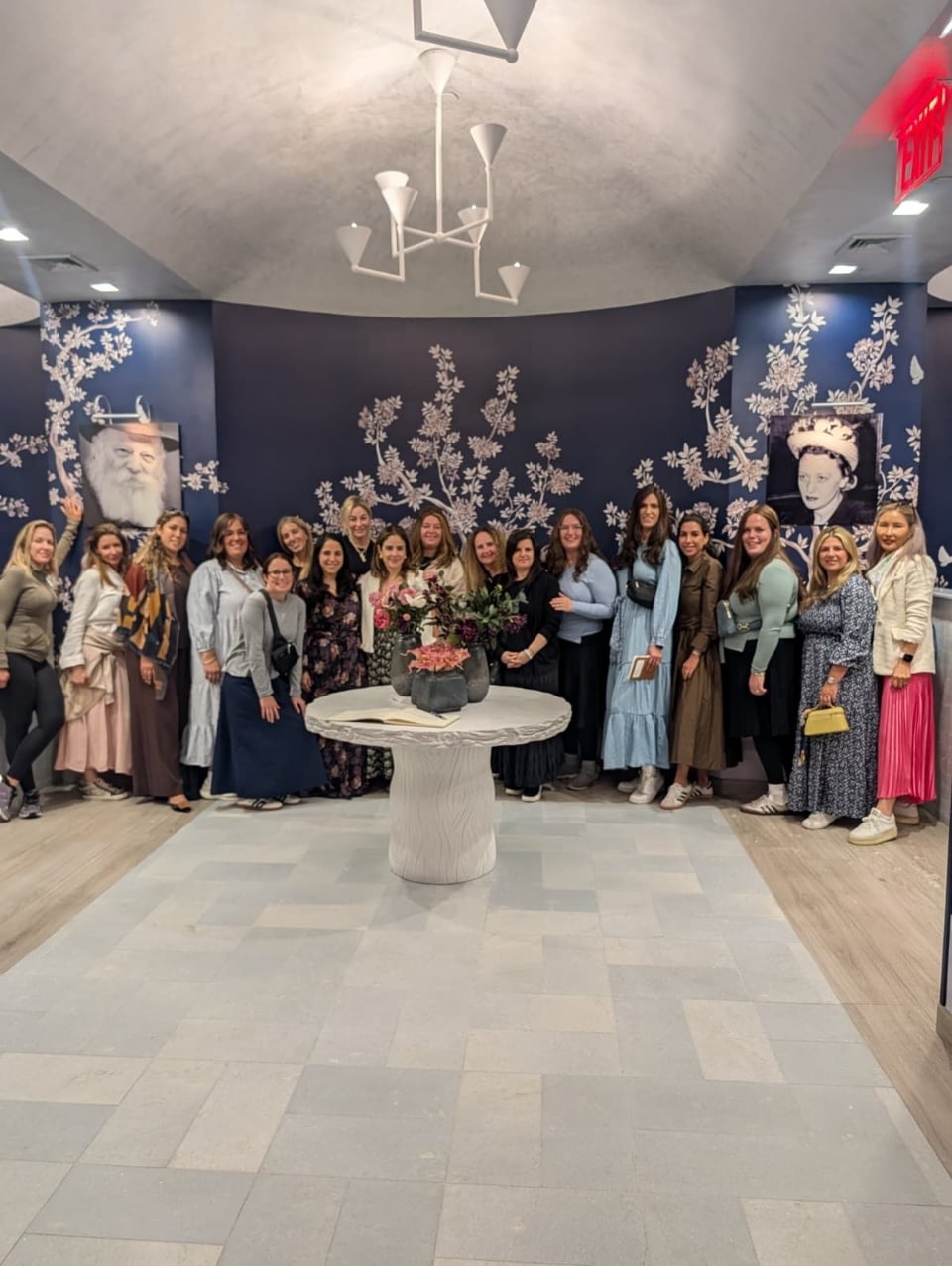
Recent Photos

View More Photos →

This Week @ ChabadPalisades.com

   
Freeman Files
The Fair Maiden’s Cry
Call out from the depths of your heart, and the depths of heaven ring.
   
Your Questions
Is Seltzer Yiddish?
How did it become the go-to drink at every Kiddush, bris, wedding and Shabbat meal?
   
By the Numbers
11 Facts You Should Know About a Beth Din (Jewish Court of Law)
From the great Sanhedrin in Temple times to the beth din of today, these courts have always played an important role in Jewish life.
   
Halachah for Life
What You Need to Know About Synagogue Etiquette
Since a synagogue contains inherent holiness, there are some important halachot to keep in mind when entering.

Parshah in a Nutshell


Parshat Ki Teitzei

The name of the Parshah, "Ki Teitzei," means "when you go out," and it is found in Deuteronomy 21:10.

Seventy-four of the Torah’s 613 commandments ( mitzvot) are in the Parshah of Ki Teitzei. These include the laws of the beautiful captive, the inheritance rights of the firstborn, the wayward and rebellious son, burial and dignity of the dead, returning a lost object, sending away the mother bird before taking her young, the duty to erect a safety fence around the roof of one’s home, and the various forms of kilayim (forbidden plant and animal hybrids).

Also recounted are the judicial procedures and penalties for adultery, for the rape or seduction of an unmarried girl, and for a husband who falsely accuses his wife of infidelity. The following cannot marry a person of Jewish lineage: a mamzer (someone born from an adulterous or incestuous relationship); a male of Moabite or Ammonite descent; a first- or second-generation Edomite or Egyptian.

Our Parshah also includes laws governing the purity of the military camp; the prohibition against turning in an escaped slave; the duty to pay a worker on time, and to allow anyone working for you—man or animal—to “eat on the job”; the proper treatment of a debtor, and the prohibition against charging interest on a loan; the laws of divorce (from which are also derived many of the laws of marriage); the penalty of thirty-nine lashes for transgression of a Torah prohibition; and the procedures for yibbum (“levirate marriage”) of the wife of a deceased childless brother, or chalitzah (“removing of the shoe”) in the case that the brother-in-law does not wish to marry her.

Ki Teitzei concludes with the obligation to remember “what Amalek did to you on the road, on your way out of Egypt.”

Learn: Ki Teitzei in Depth
Browse: Ki Teitzei Parshah Columnists
Prep: Devar Torah Q&A for Ki Teitzei
Read: Haftarah in a Nutshell
Play: Ki Teitzei Parshah Quiz

 

Today's Quote

There may be food, there may be drink, but if there is no peace there is nothing
— Rashi (on Leviticus 26:6)

Chabad World News

   
Caribbean
Aruba’s Jewish Prime Minister Prepares to Meet the King
   
North America
Richmond Chabad Invigorates Jewish Life at VCU
Ensuring every Jewish student knows: You belong, you matter, and you are never alone.
   
North America
In Park City, Jewish Life Is Rapidly Growing
   
North America
Chabad Sets Up Shop in Neighborhood Once Closed to Jews