The name of the Parshah, "Bo," means "Come [to Pharaoh]" and it is found in Exodus 10:1.
The last three of
the Ten Plagues are visited on Egypt: a swarm of
locusts devours all the crops and greenery; a thick, palpable
darkness envelops the land; and all
the firstborn of Egypt are killed at the stroke of
midnight of the 15th of the month of
Nissan.
G‑d commands the
first mitzvah to be given to the people of Israel: to establish a
calendar based on the monthly rebirth of the
moon. The
Israelites are also instructed to bring a
“Passover offering” to G‑d: a
lamb or kid goat is to be slaughtered, and its
blood sprinkled on the doorposts and lintel of every Israelite home, so that G‑d should
pass over these homes when He comes to kill the Egyptian firstborn. The roasted meat of the offering is to be eaten that night together with
matzah (unleavened bread) and
bitter herbs.
The death of the firstborn finally breaks Pharaoh’s resistance, and he literally drives the children of Israel from his land. So
hastily do they depart that there is no time for their dough to rise, and the only provisions they take along are unleavened. Before they go, they ask their Egyptian neighbors for gold, silver and garments—fulfilling
the promise made to Abraham that his descendants would leave Egypt with great wealth.
The children of Israel are commanded to
consecrate all firstborn, and to observe the anniversary of the
Exodus each year by removing all
leaven from their possession for seven days, eating matzah, and
telling the story of their redemption to their children. They are also commanded to wear
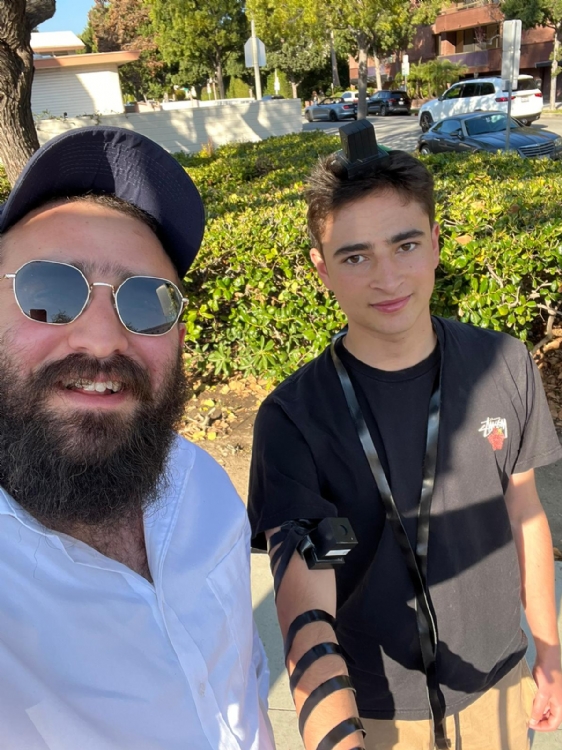
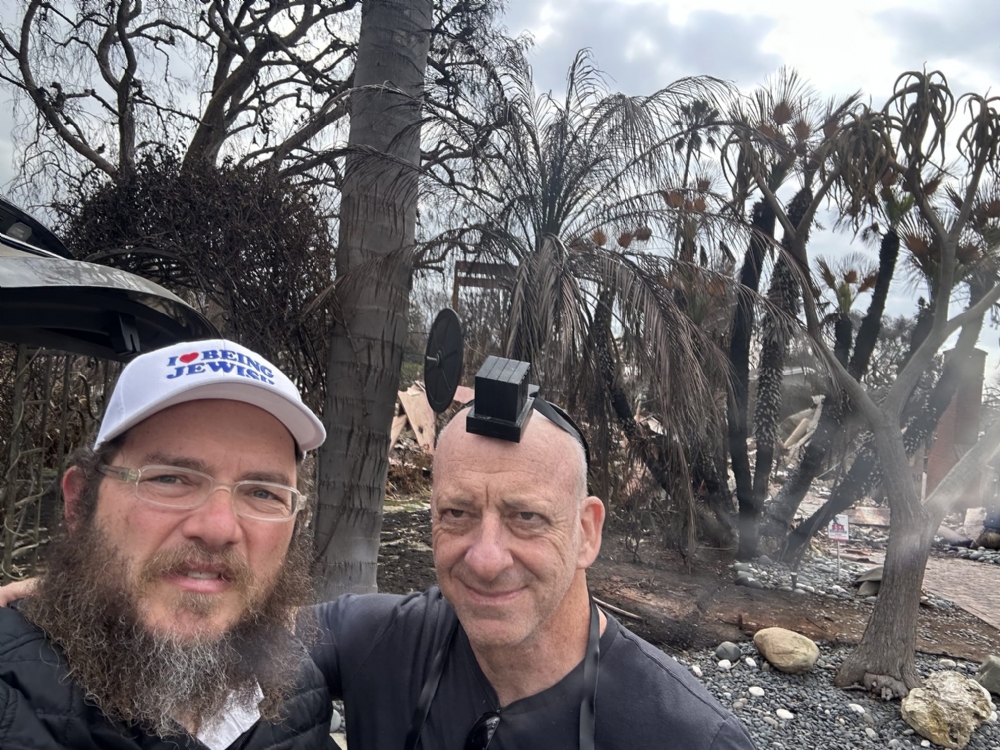
tefillin on the arm and head as a reminder of the Exodus and their resultant commitment to G‑d.
Learn:
Bo in Depth
Browse:
Bo Parshah Columnists
Prep:
Devar Torah Q&A for Bo
Read:
Haftarah in a Nutshell
Play:
Bo Parshah Quiz