The Greatest Blessings…
ב״ה

 
This Week at Chabad of Pacific Palisades
Candle Lighting
Candle Lighting Times for
Pacific Palisades:
Friday, Dec. 20
4:31 pm
Torah Portion: Vayeishev
 
Chabad of Pacific PalisadesEmail: [email protected]Phone: 310-454-7783www.ChabadPalisades.com
 
 
Rabbi's Message
Message from the Rabbi


Dear Friends,

Yud Tet Kislev, the day the Alter Rebbe was freed from prison, marks a turning point when deep Kabbalistic ideas about connecting to G-d, understanding the soul, and elevating the world became accessible to every Jew. The Alter Rebbe, founder of Chabad Chassidut and author of the Tanya, organized and explained these teachings in a way that anyone could learn and apply in their lives.

There was fierce opposition to this. Many feared that making such profound teachings available to everyone could lead to misuse or misunderstanding. This opposition led to the Alter Rebbe’s unjust imprisonment. Yet, instead of avoiding imprisonment through miracles or persuasion, the Alter Rebbe chose to face it. He understood that for Chassidut to truly bring redemption, it had to emerge through struggle and darkness, just as every person must confront challenges to grow and transform.

This reflects Joseph’s journey in this week’s Torah portion. Joseph was sold into slavery by his brothers and later imprisoned on unjust charges. He could have avoided his suffering, but he understood that his descent into Egypt was part of G-d’s plan. Joseph’s journey initiated the process that would eventually lead to the redemption of the Jewish people from Egypt generations later.

The Alter Rebbe and Joseph both show us that we must go through our own personal challenges and confront our struggles to elevate the sparks of holiness within them. By facing these moments with faith and intention—recognizing that this is where G-d has placed us and that this is part of our journey in the world—we bring redemption to those parts of ourselves and the world that need it most. Through this process, we fulfill our purpose and bring the world closer to its ultimate redemption..

Shabbat Shalom,
Rabbi Zushe Cunin


Service Times
Service Times

Friday Kabbalat Shabbat Chabad
4:45pm

Shabbat Morning Torah Study Class
9:00am

Shabbat Day Services
10:00am

Kiddush and Refreshments
12:30pm


Featured Events


Weekly Tanya Class with Rabbi Shimon
Sundays 8:00-8:30am at Chabad

Practical Tanya with Rabbi Zushe
Wednesdays - Message Rabbi Zushe for details.

Parsha Torah Study
Shabbat Morning 9:00am at Chabad


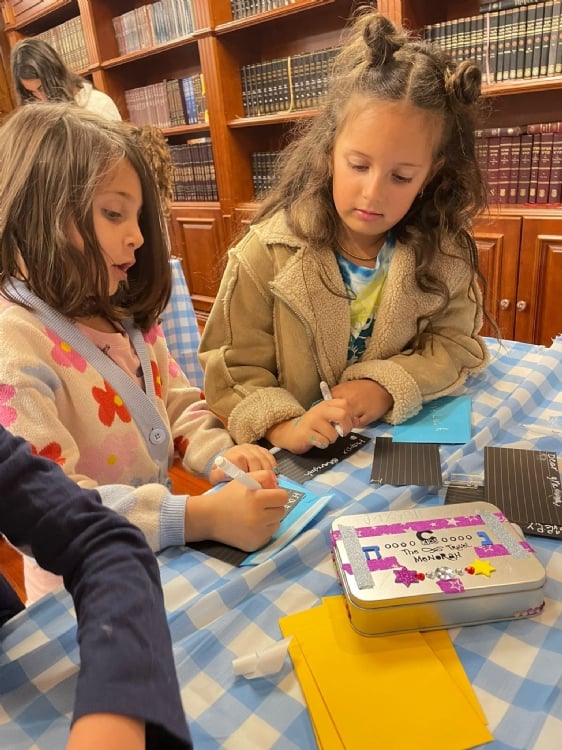
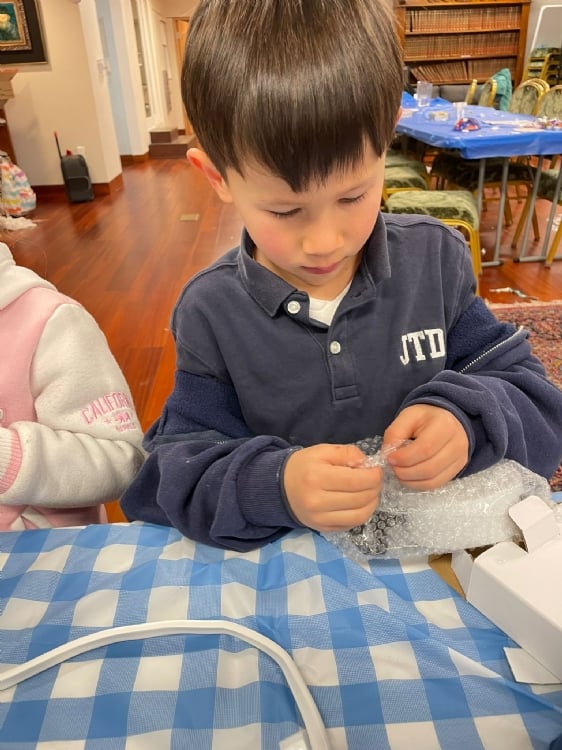
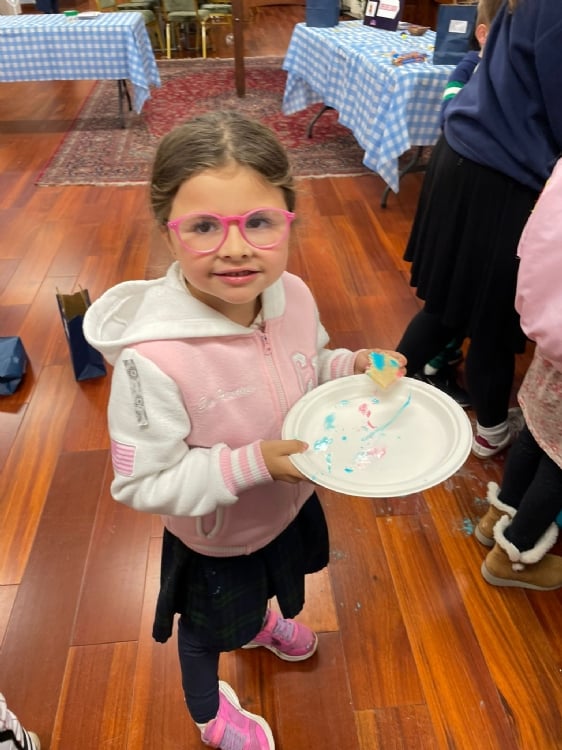
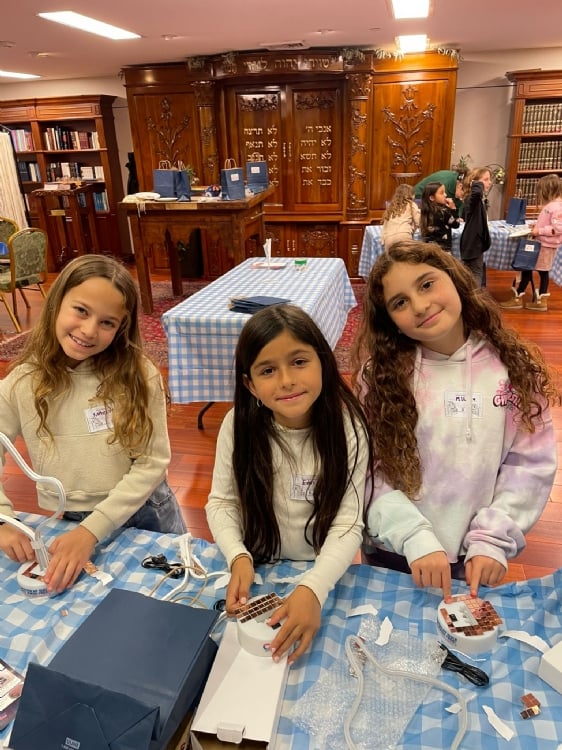
Recent Photos
Recent Photos
 
Recent Photos (new)
 
Upcoming Events
Upcoming Events
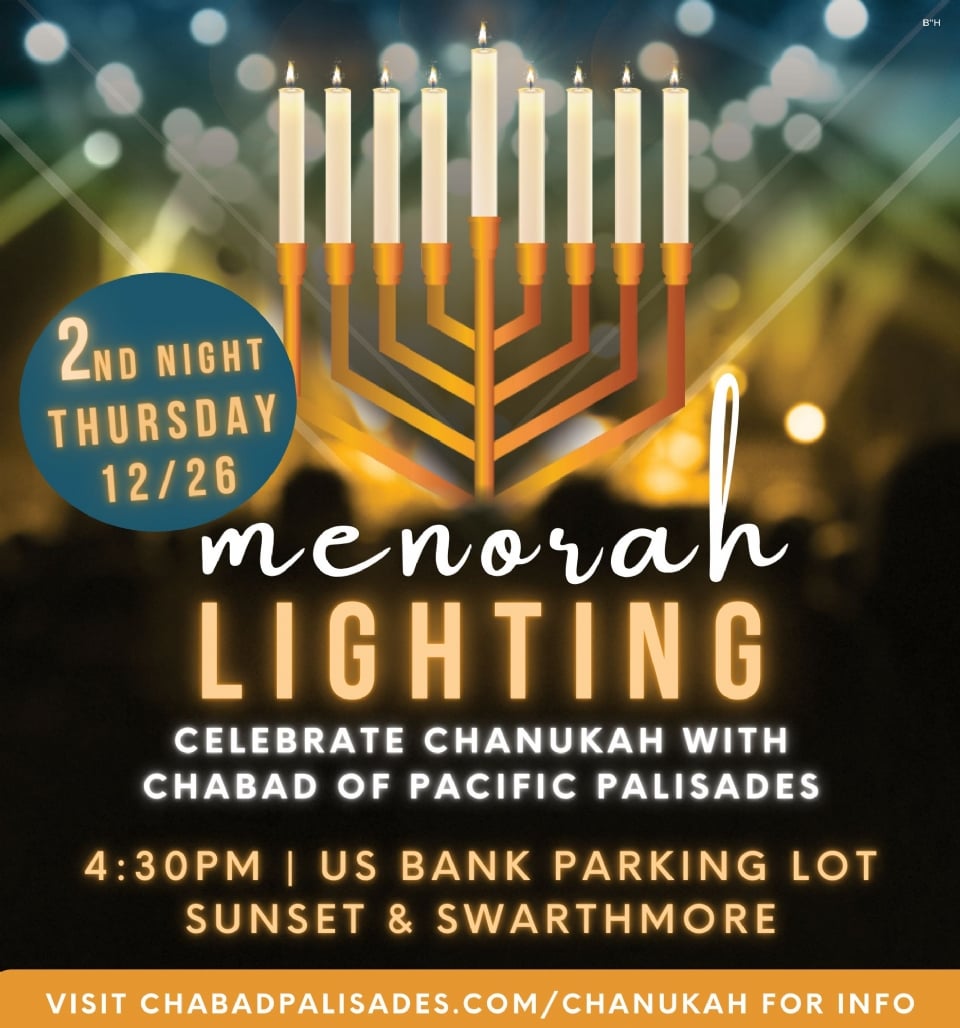
2nd Night Menorah Lighting
Thursday, Dec. 26, 2024 - 4:30 pm
Menorah Lighting - Celebrate Chanukah with Chabad of Pacific Palisades
 
 
Donate
Donate

Join in and become a partner in the work we do!


This Week @
This Week @ www.ChabadPalisades.com
  
Parshah
Why Did the Brothers Hate Joseph?
There’s more to this episode than meets the eye.
  
19 Kislev
Friday Is 19 Kislev, the "New Year" of Chassidism
This day marks the “birth” of Chassidism, when the long-hidden secrets of Judaism emerged from the womb of mysticism to illuminate and transform the totality of Jewish life.
  
By the Numbers
13 Facts You Should Know About Jewish Krakow
Once among Europe’s largest and most influential communities, rich with scholarship and synagogues.
  
Your Questions
Why Eat Latkes and Sufganiyot (Doughnuts) on Chanukah?
The earliest mention of this custom seems to have been made by Rabbi Maimon ben Joseph, father of Maimonides.
 
 
Parshah
Parshah in a Nutshell

Parshat Vayeishev

The name of the Parshah, "Vayeshev," means "And he dwelt" and it is found in Genesis 37:1.

Jacob settles in Hebron with his twelve sons. His favorite is seventeen-year-old Joseph, whose brothers are jealous of the preferential treatment he receives from his father, such as a precious many-colored coat that Jacob makes for Joseph. Joseph relates to his brothers two of his dreams which foretell that he is destined to rule over them, increasing their envy and hatred towards him.

Simeon and Levi plot to kill him, but Reuben suggests that they throw him into a pit instead, intending to come back later and save him. While Joseph is in the pit, Judah has him sold to a band of passing Ishmaelites. The brothers dip Joseph’s special coat in the blood of a goat and show it to their father, leading him to believe that his most beloved son was devoured by a wild beast.

Judah marries and has three children. The eldest, Er, dies young and childless, and his wife, Tamar, is given in levirate marriage to the second son, Onan. Onan sins by spilling his seed, and he too meets an early death. Judah is reluctant to have his third son marry her. Determined to have a child from Judah’s family, Tamar disguises herself as a prostitute and seduces Judah himself. Judah hears that his daughter-in-law has become pregnant and orders her executed for harlotry, but when Tamar produces some personal effects he left with her as a pledge for payment, he publicly admits that he is the father. Tamar gives birth to twin sons, Peretz (an ancestor of King David) and Zerach.

Joseph is taken to Egypt and sold to Potiphar, the minister in charge of Pharaoh’s slaughterhouses. Gd blesses everything he does, and soon he is made overseer of all his master’s property. Potiphar’s wife desires the handsome and charismatic lad; when Joseph rejects her advances, she tells her husband that the Hebrew slave tried to force himself on her, and has him thrown into prison. Joseph gains the trust and admiration of his jailers, who appoint him to a position of authority in the prison administration.

In prison, Joseph meets Pharaoh’s chief butler and chief baker, both incarcerated for offending their royal master. Both have disturbing dreams, which Joseph interprets; in three days, he tells them, the butler will be released and the baker hanged. Joseph asks the butler to intercede on his behalf with Pharaoh. Joseph’s predictions are fulfilled, but the butler forgets all about Joseph and does nothing for him.

Learn: Vayeshev in Depth
Browse: Vayeshev Parshah Columnists
Prep: Devar Torah Q&A for Vayeshev
Read: Haftarah in a Nutshell
Play: Vayeshev Parshah Quiz



Today's Quote
Today's Quote
The whole point of Chassidism is that one should change the nature of one's character traits
— Rabbi Schneur Zalman of Liadi


Chabad World News
Chabad World News