GRATITUDE=HAPPINESS
|
|
|
|
|
|
This Week at Chabad of Pacific Palisades
|
|

|
|
|
|
|
|
|

|
Message from the Rabbi
|
|
|
|
|
|
In this week’s Torah portion we learn about the commandment of Bikkurim, bringing the first and finest of ones produce to the Holy Temple in Jerusalem as a donation of gratitude to G-d. This commandment biblically came into effect once the Jews settled in Israel and began to harvest produce from their fields.
When a seed is sown, all the effort and hope of the farmer is planted with it. The farmer plants the seed in the soil, with the end vision of harvesting an abundant crop in mind. A seed represents an idea, the spark of wisdom from which all innovation flows. The idea must be mulled over and processed, just as the seed is buried in the soil, decomposing prior to sprouting its first growth.
Once the idea is deliberated upon, it can be actualized into something tangible that can bring us abundance, just as the seed produces roots, branches, leaves, and fruit..
The seed that was planted first had to decompose, so too, any individual who sparks an idea, must approach it with humility and take a leap of faith. Those who attempt to skip this step and bulldoze their way forward towards their goal, often end up making many errors and wishing they had slowed down and thought things through. This act of planting the seed in the ground, where its decomposition
and growth process is concealed from the eyes of the farmer is the act of prayer and acceptance of what G-d has in store for us. When we allow space for G-d into our creative process, the fear of failure is replaced by joy and curiosity about G-d’s plan.
The goal, the gathering of the fruits of our labor, is celebrated by those who carried their faith all the way through the process. This is where gratitude belongs. This place in our lives where we pause and reflect on the beauty of what we have achieved thus far.
At the moment, when we celebrate our finest achievements, we bring them as a gift to G-d, we bring awareness to the grace of G-d’s blessing that allowed us to arrive at this point. This is the beauty behind the commandment of Bikkurim, it keeps us humble, reminds us to have faith, and that our finest and most celebrated moments are gifts from G-d, never to be taken for granted.
Shabbat Shalom,
Rabbi Zushe Cunin
|
|
|
|
|
|
|
|

|
Service Times
|
Kabbalat Shabbat at Chabad
6:30pm
Shabbat Morning Torah Study Class
9:00am
Shabbat Day Services
10:00am
Kiddush and Refreshments
12:30pm
|
|
|
|
|
|

|
Featured Event
|
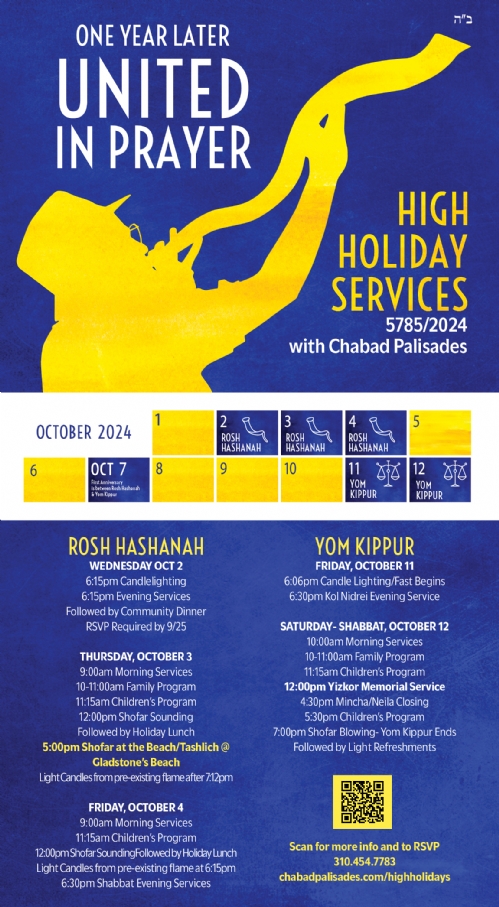



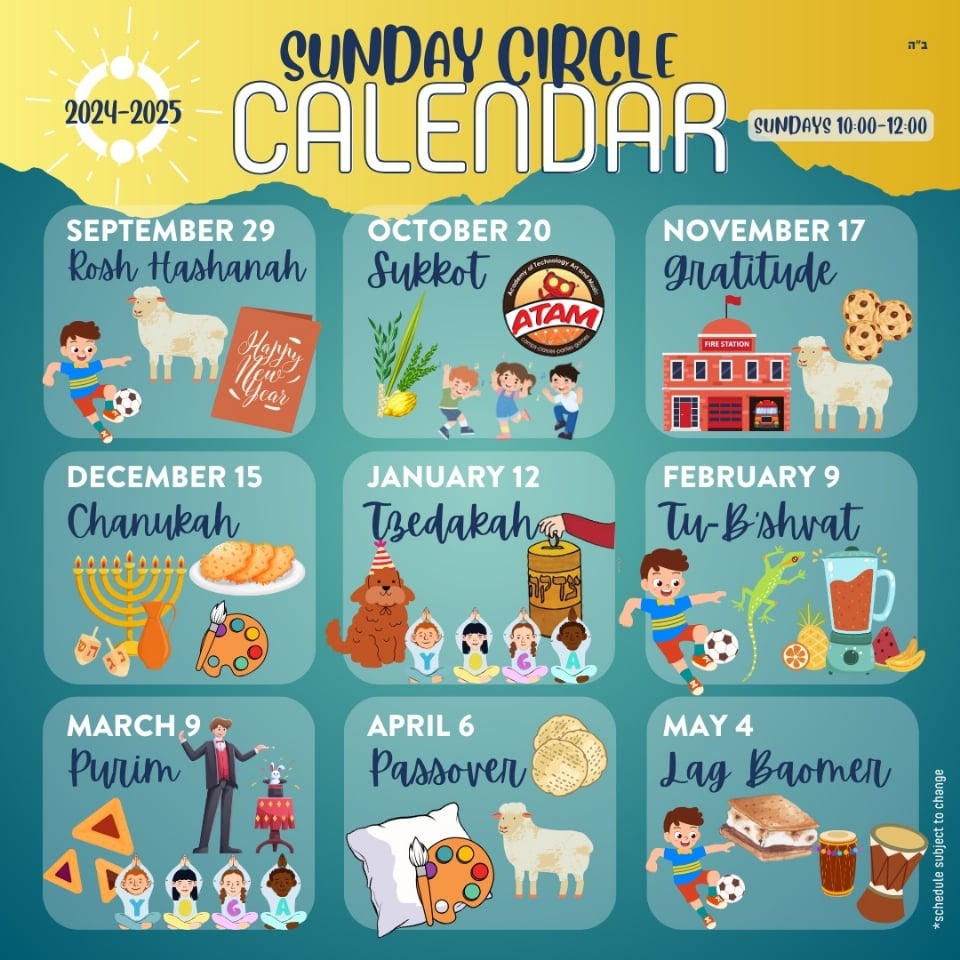

Weekly Tanya Class with Rabbi Shimon
Sundays 8:00-8:30am at Chabad
Practical Tanya with Rabbi Zushe
Mondays 1:30-2:30pm at Chabad
Parsha Torah Study
Shabbat Morning 9:00am at Chabad
|
|
|
|
|
|

|
Recent Photos
|
|
|
|
|
|
|
|

|
Upcoming Events
|
JEC
Tuesday,
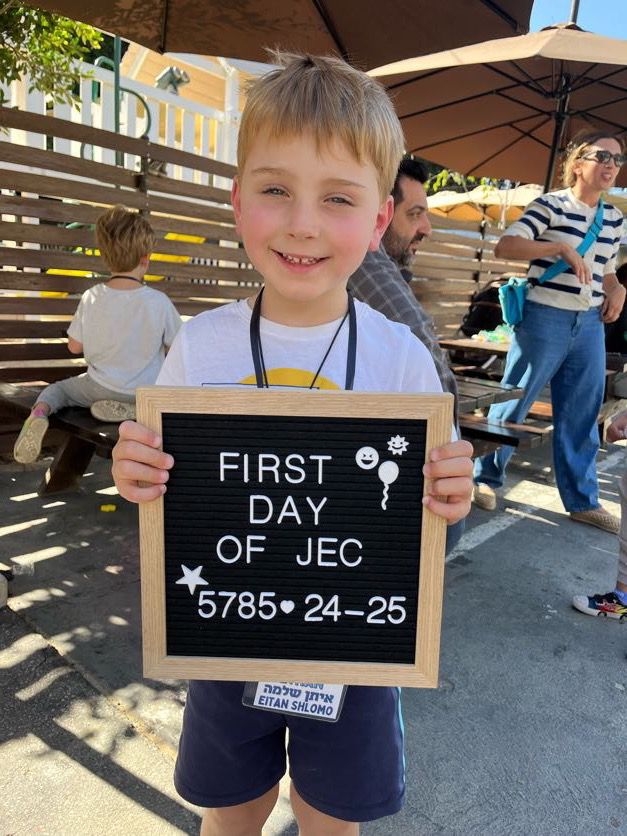
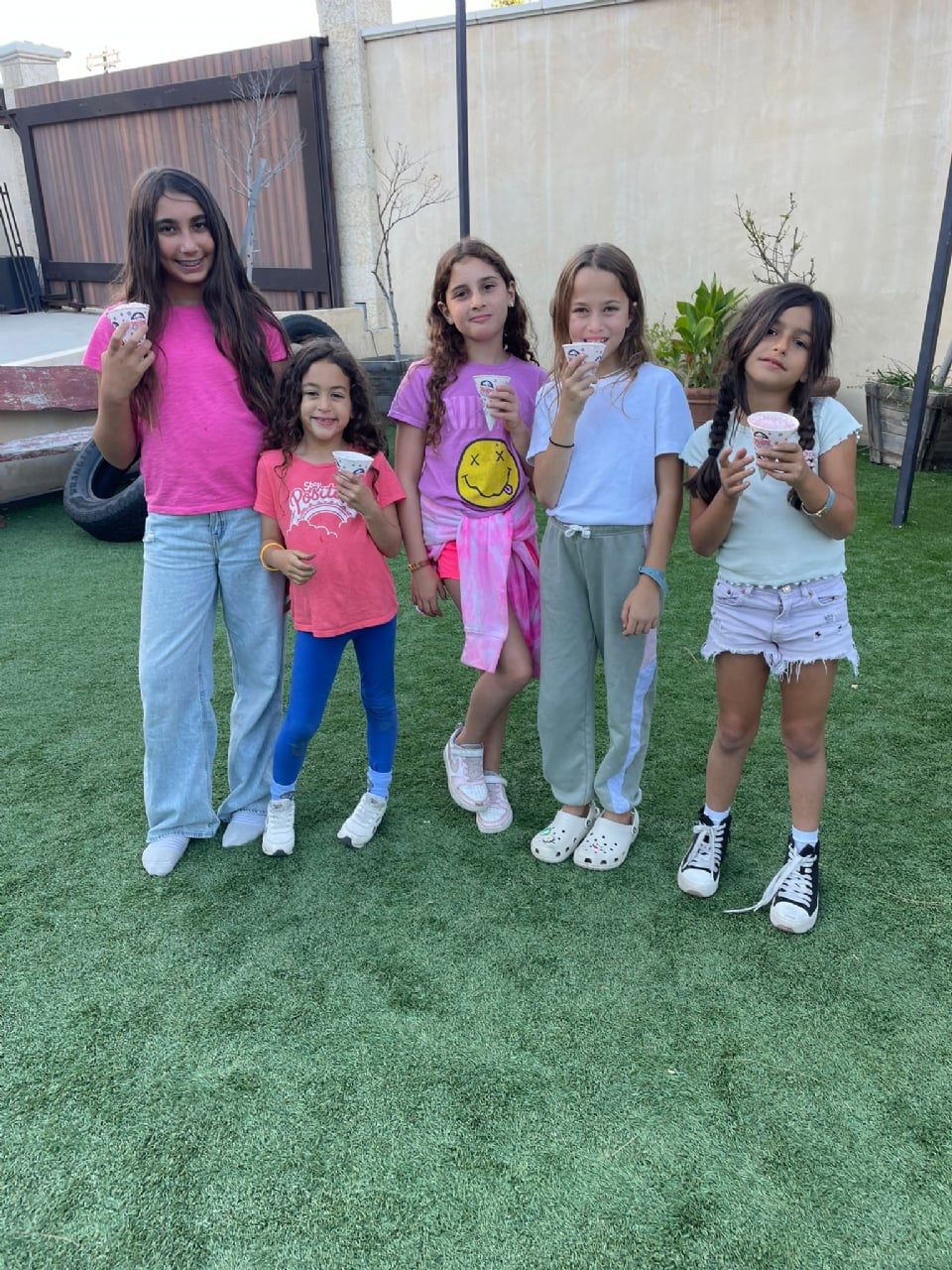
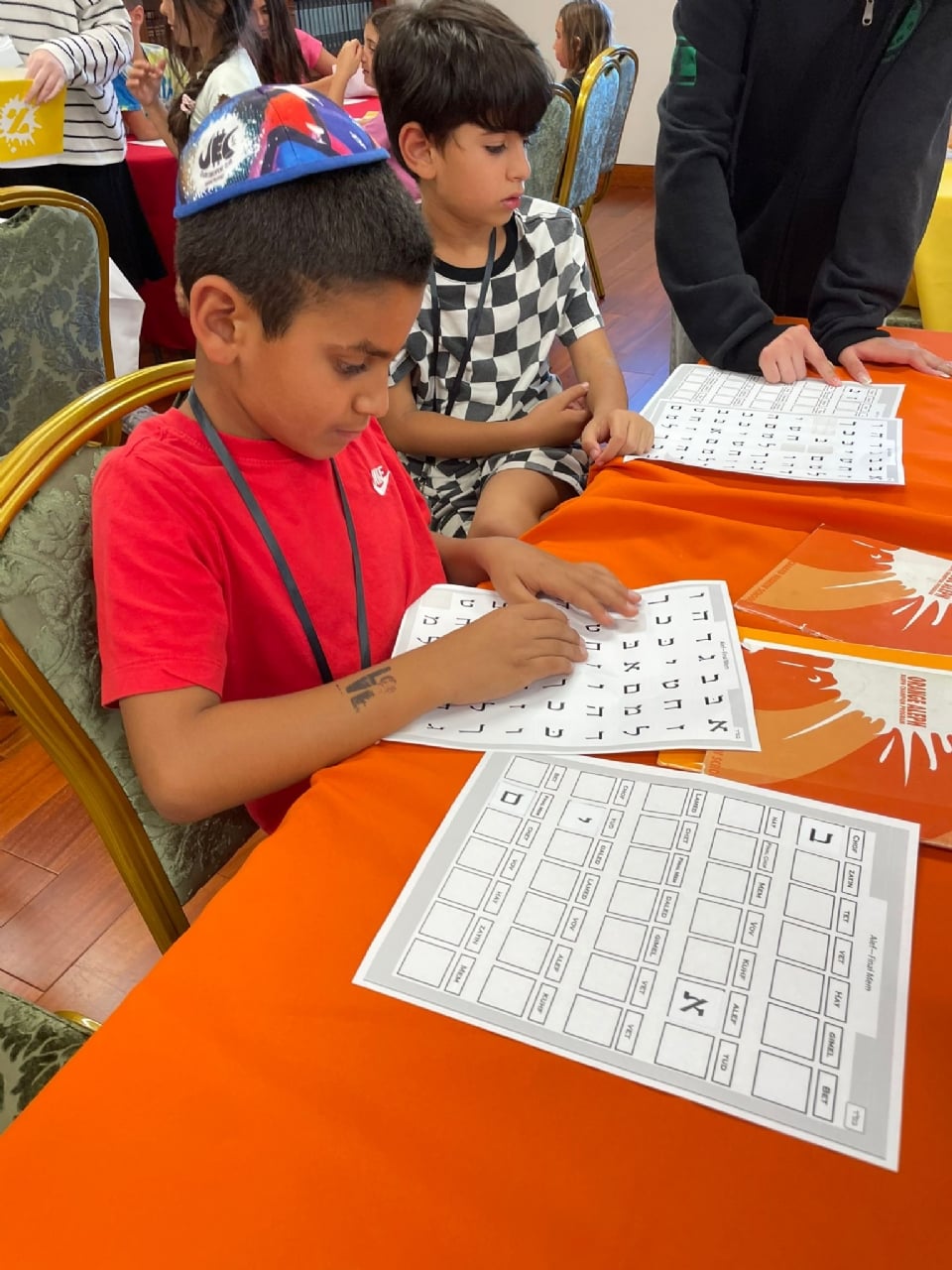
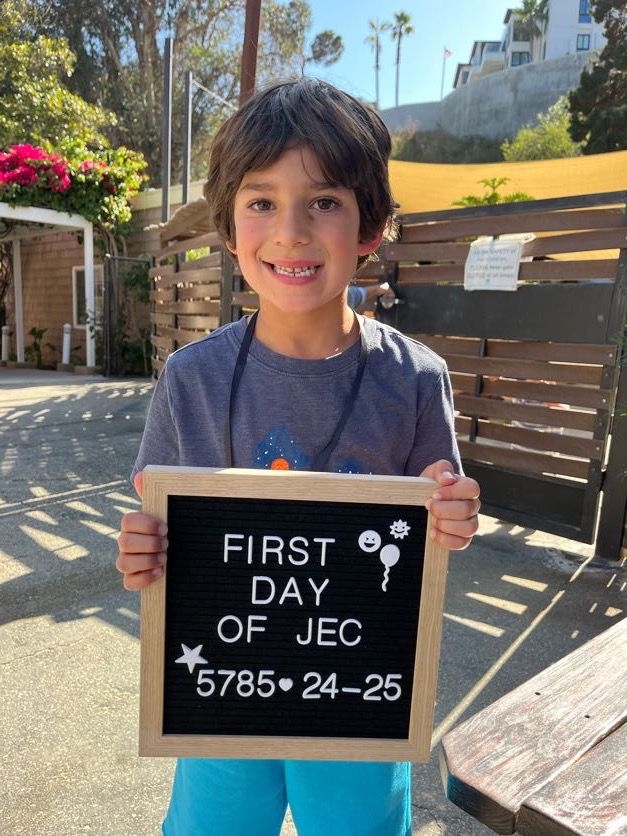
Oct. 8, 2024 - 3:30 pm - 5:30 pm JEC
Tuesday,
Oct. 15, 2024 - 3:30 pm - 5:30 pm |
|
|
|
|
|
|
|

|
Donate
|
Join in and become a partner in the work we do!
|
|
|
|
|
|

|
This Week @ www.ChabadPalisades.com
|
|
|
|
|
|
|
|

|
Parshah in a Nutshell
|
Parshat Ki Tavo
The name of the Parshah, "Ki Tavo," means "when you come," and it is found in Deuteronomy 26:1.
Moses instructs
the people of Israel: When you enter the
land that
G‑d is giving to you as your
eternal heritage, and you settle it and cultivate it, bring the first-ripened fruits
(bikkurim) of your orchard to the
Holy Temple, and declare your
gratitude for all that G‑d has done for you.
Our
Parshah also includes the laws of the
tithes given to the
Levites and to the
poor, and detailed instructions on how to proclaim the
blessings and the curses on
Mount Gerizim and Mount Eival—as discussed in the beginning of the Parshah of
Re’eh. Moses reminds the people that they are G‑d’s
chosen people, and that they, in turn, have chosen G‑d.
The latter part of
Ki Tavo consists of the
Tochachah (“Rebuke”). After listing the blessings with which G‑d will reward the people when they follow the laws of the
Torah, Moses gives a long, harsh account of the bad things—illness, famine, poverty and
exile—that shall befall them if they abandon G‑d’s
commandments.
Moses concludes by telling the people that only today, forty years after their birth as a people, have they attained “a heart to know, eyes to see and ears to hear.”
Learn:
Ki Tavo in Depth
Browse:
Ki Tavo Parshah Columnists
Prep:
Devar Torah Q&A for Ki Tavo
Read:
Haftarah in a Nutshell
Play:
Ki Tavo Parshah Quiz
|
| |
|
|
|
|
|
|

|
Today's Quote
|
| I no longer see a table, a chair, a lamp... only the letters of the Divine utterances [which give existence and life to the physical existence] — Rabbi Schneur Zalman of Liadi to his grandson, Rabbi Menachem Mendel of Lubavitch, shortly before his passing on Tevet 24, 5583 (1812) |
|
|
|
|
|
|

|
Chabad World News
|
|
|
|
|
|
|
|
|