Crushed
ב״ה

 
This Week at Chabad of Pacific Palisades
Candle Lighting
Candle Lighting Times for
Pacific Palisades:
Friday, Jan. 5
4:41 pm
Torah Portion: Shemot
 

Chabad of Pacific PalisadesEmail: [email protected]Phone: 310-454-7783www.ChabadPalisades.com


Rabbi's Message
Message from the Rabbi


Dear Friend,

In the Torah reading for this week, the Israelites transition from relative prosperity in Egypt to their enslavement in just more than a generation. But surprisingly the more the Egyptians oppress the Israelites, the more they grow!

"The more they afflicted them, the more they multiplied and grew" (Gen.1:12)

The Midrash Rabba has a very insightful commentary on the relationship between Jews being afflicted and Jewish growth:

What is the meaning of the verse (Jeremiah 11:16) in which the Jewish people are called “a leafy olive tree, fair with beautiful fruit”? The olive is marked out for harvesting while it is yet on its tree, after which it is brought down from the tree and beaten, and after it has been beaten it is brought up to the vat and placed in a grinding mill, where it is ground and then tied up with ropes, and then stones are brought, and then at last it yields its oil. So it is with Israel: the heathens come and beat them about from place to place, imprison them and bind them in chains, and surround them with officers, and then at last do Israel repent and G‑d answers them.

For the last while, we as a people have been dangerously ununited. In Israel in particular we were witnessing the contentious factioning of society around divisive subjects such as legal reform, religious versus secular rights and other political and social polarizations. On the 7th of October we received a massive blow, from which we are still reeling and will be forever. However, in spite of Hamas and other Jew hating extremist, terrorist groups and states, we have united and come together, putting aside our often surface-only differences and began to treat each other as brothers and sisters again. Our olive has been crushed! But now at last our oil is in yield. Our unity is our strength, our hope and our pride. Am Yisrael Chai! May we never forget to stay united again – no matter what the differences.

Shabbat Shalom,

Rabbi Zushe Cunin


Service Times
Service Times

Shabbat Day
10:00 am

Kiddush and Refreshments
12:30 pm


Featured Event
Featured Events

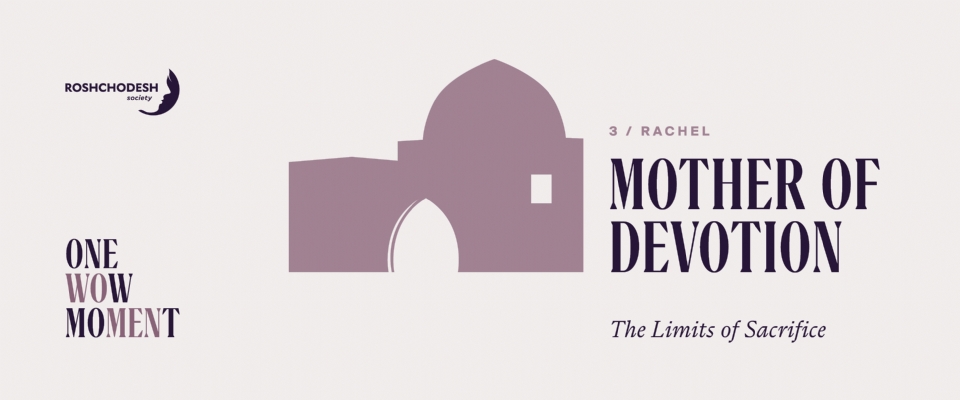
 RCS Course: ONE WOW MOMENT
Lesson 3 - Rachel Mother of Devotion- The Limits of Sacrifice
Click here to register

Weekly Torah Class with Rabbi Zushe
Thursdays @ 2pm

https://us02web.zoom.us/j/643045892?pwd=VXB3bUlIcEdTQjU0dnRLSVFRWlNjdz09 

Weekly Tanya Class with Rabbi Shimon
Sundays @ 8:00-8:30am at Chabad 


Upcoming Events
Upcoming Events
FC Sunday Circle
Sunday, Jan. 7, 2024 - 10:30 am - 11:30 am
JEC
Tuesday, Jan. 9, 2024 - 3:30 pm - 5:30 pm
RCS- One WOW Moment
Wednesday, Jan. 10, 2024 - 7:30 pm - 9:00 pm
JEC
Tuesday, Jan. 16, 2024 - 3:30 pm - 5:30 pm
JEC
Tuesday, Jan. 23, 2024 - 3:30 pm - 5:30 pm
JEC
Tuesday, Jan. 30, 2024 - 3:30 pm - 5:30 pm
 
 
Recent Photos
Recent Photos
 
 
Condolences
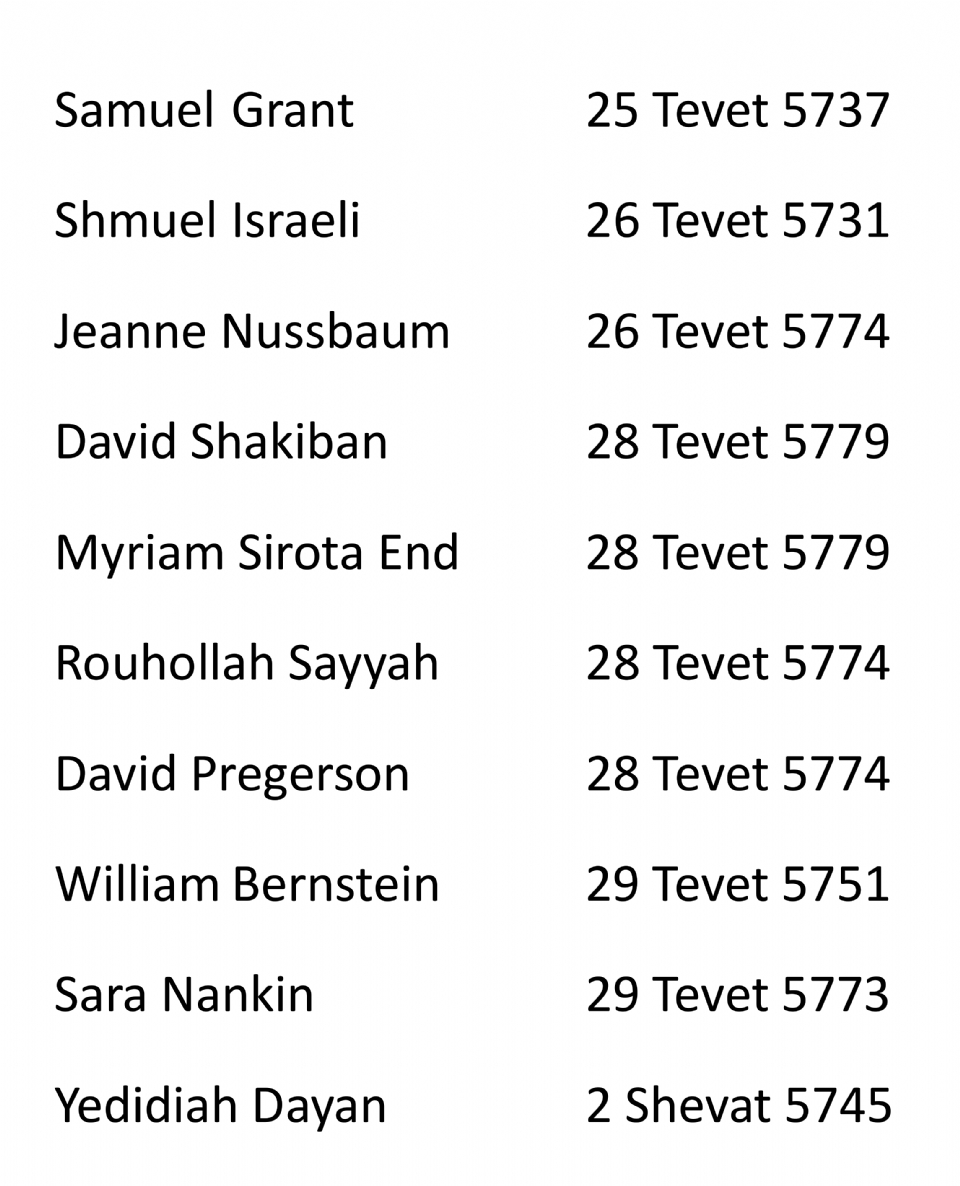
Yahrtzeits


Donate
Donate

Join in and become a partner in the work we do!


This Week @
This Week @ www.ChabadPalisades.com
  
By the Numbers
18 Facts About the Cairo Geniza
Explore the treasures of this unparalleled collection of priceless texts.
  
Your Questions
Why Are Kosher Pickles “Kosher”?
Even if a pickle jar is marked as containing “kosher pickles,” it does not necessarily mean that the pickles are actually kosher to eat.
  
Hebrew Word of the Week
What Can the Hebrew Word for “Inhibition” Teach You?
  
Halachah for Life
What You Need to Know About Snow on Shabbat
Learn whether and how one may shovel, make snow forts, salt or otherwise interact with snow on Shabbat.
 
 
Parshah
Parshah in a Nutshell

Parshat Shemot

The name of the Parshah, "Shemot," means "Names" and it is found in Exodus 1:1 - 6:1.

The children of Israel multiply in Egypt. Threatened by their growing numbers, Pharaoh enslaves them and orders the Hebrew midwives, Shifrah and Puah, to kill all male babies at birth. When they do not comply, he commands his people to cast the Hebrew babies into the Nile.

A child is born to Yocheved, the daughter of Levi, and her husband, Amram, and placed in a basket on the river, while the baby’s sister, Miriam, stands watch from afar. Pharaoh’s daughter discovers the boy, raises him as her son, and names him Moses.

As a young man, Moses leaves the palace and discovers the hardship of his brethren. He sees an Egyptian beating a Hebrew, and kills the Egyptian. The next day he sees two Jews fighting; when he admonishes them, they reveal his deed of the previous day, and Moses is forced to flee to Midian. There he rescues Jethro’s daughters, marries one of them ( Tzipporah), and becomes a shepherd of his father-in-law’s flocks.

G‑d appears to Moses in a burning bush at the foot of Mount Sinai, and instructs him to go to Pharaoh and demand: “Let My people go, so that they may serve Me.” Moses’ brother, Aaron, is appointed to serve as his spokesman. In Egypt, Moses and Aaron assemble the elders of Israel to tell them that the time of their redemption has come. The people believe; but Pharaoh refuses to let them go, and even intensifies the suffering of Israel.

Moses returns to G‑d to protest: “ Why have You done evil to this people?” G‑d promises that the redemption is close at hand.

Learn: Shemot in Depth
Browse: Shemot Parshah Columnists
Prep: Devar Torah Q&A for Shemot
Read: Haftarah in a Nutshell
Play: Shemot Parshah Quiz



Today's Quote
Today's Quote
The mind of the sage is concealed, for it is still and tranquil
— Zohar


Chabad World News
Chabad World News