Time For Redemption
ב"ה
Icon
Candle Lighting Times for
Pacific Palisades:
Friday, Dec. 12
4:28 pm

Message from the Rabbi

Dear Friends,
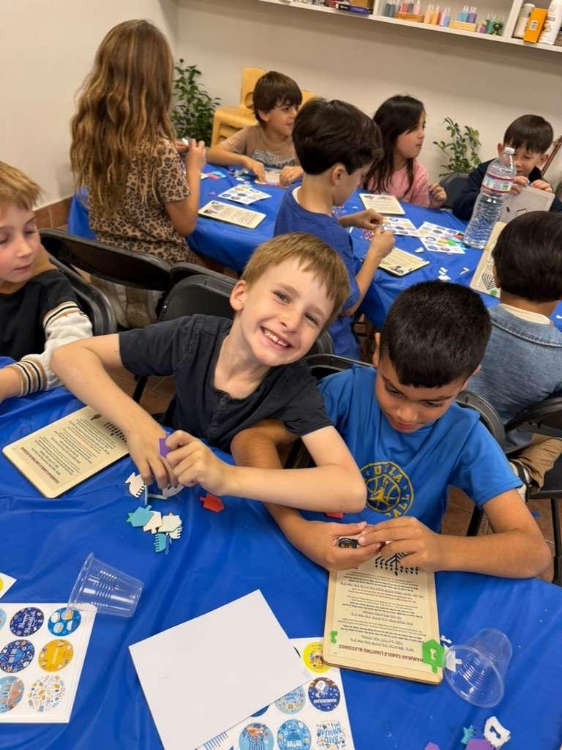
We are looking forward to celebrating Chanukah with all of you at the Menorah Lighting at Palisades Village  (on Monument between Albright & Bashford) this Sunday. Festivities begin at 4pm with the Menorah Lighting Ceremony at 5pm.

This week we celebrated Yud Tet Kislev, the Chag HaGeulah, the Festival of Redemption, marking the liberation of the Alter Rebbe, Rabbi Shneur Zalman of Liadi, from imprisonment in Czarist Russia. His arrest was not merely political; it was spiritual, fueled by opposition to the spreading of Chassidut. His release signaled something far greater than personal freedom—it was a Divine affirmation that the time had come for the inner teachings of Torah to reach every Jew, in every place.

What makes this day so profound is not only the miracle of liberation, but what it represented. The spread of Chassidut had raised questions and fears, yet from Heaven came a clear answer: The world is ready for light. The Jewish soul is ready for depth. The inner dimension of Torah is not for the select few, but for all.

A powerful moment is recorded from that day. As the Alter Rebbe sat learning Psalms, he reached the verse, “Padah beShalom nafshi,” “G-d has redeemed my soul in peace.” It was precisely then that the messenger entered to inform him that he was free. To the Alter Rebbe, this was no coincidence. It was a sign from above that Chassidut must be revealed and taught in a spirit of peace, kindness, and ahavat Yisrael (love of one’s fellow).

Yud Tet Kislev invites each of us to experience a personal geulah (redemption). By learning a little deeper, loving a little stronger, and bringing more warmth into our homes and communities, we participate in the mission that began on this sacred day.

May this Yud Tet Kislev uplift us, open our hearts, and bring us closer to the ultimate Geulah with Moshiach, speedily in our days.

Shabbat Shalom,
Rabbi Zushe Cunin


Shabbat Schedule:

Shabbat, December 13
Morning Service: 10:00am
Followed by Kiddush & Refreshments

Shabbat Ends 5:25pm

Sunday, December 14
Shachris: 8:30am

All services take place at Chabad Castellammare
Please text Rebbetzin Zisi at (310) 628-4446 with any questions.

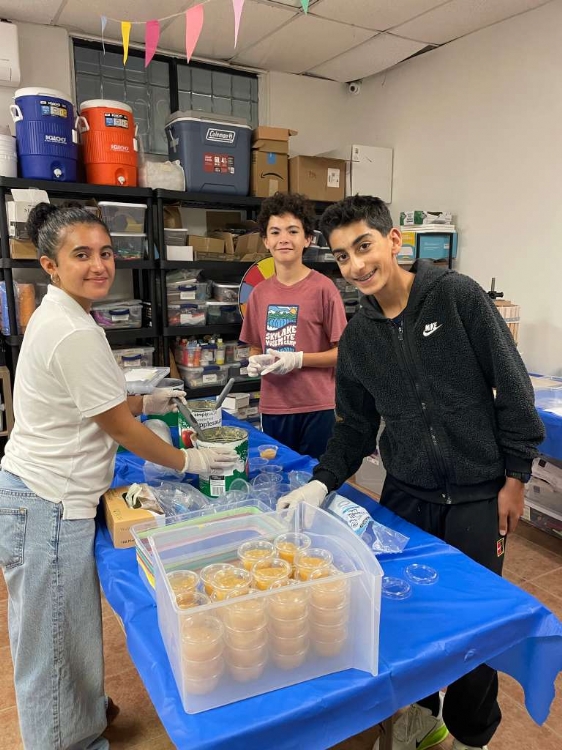
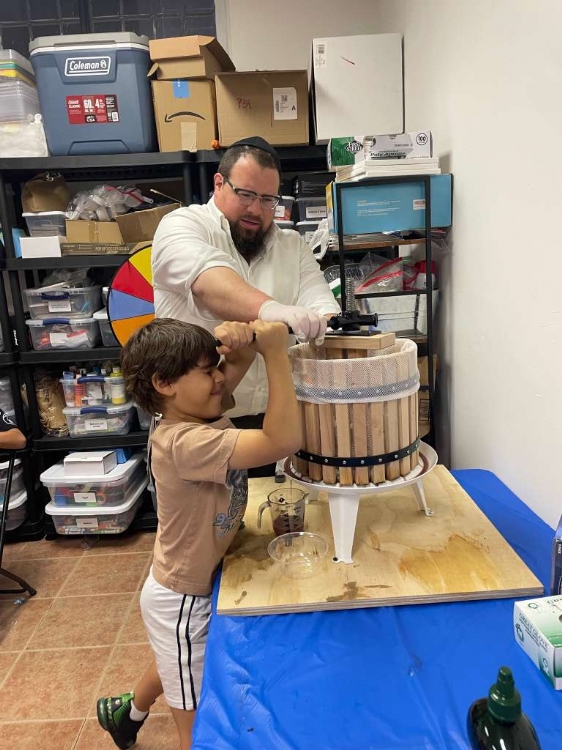
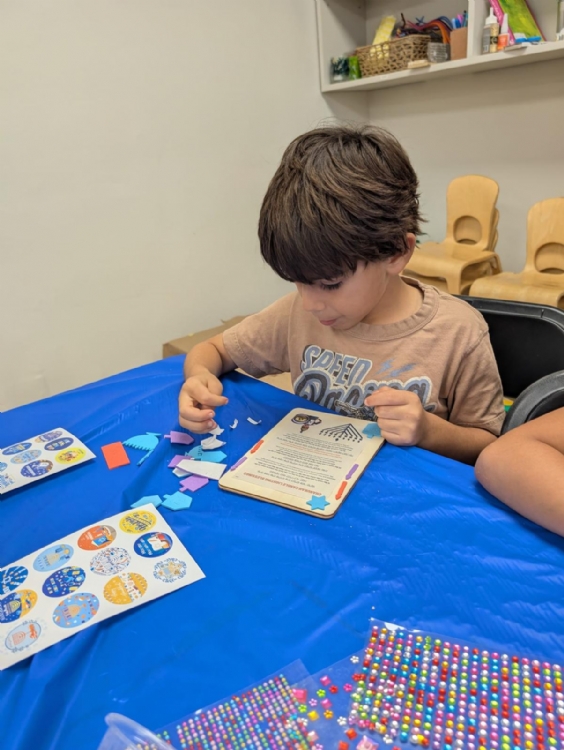
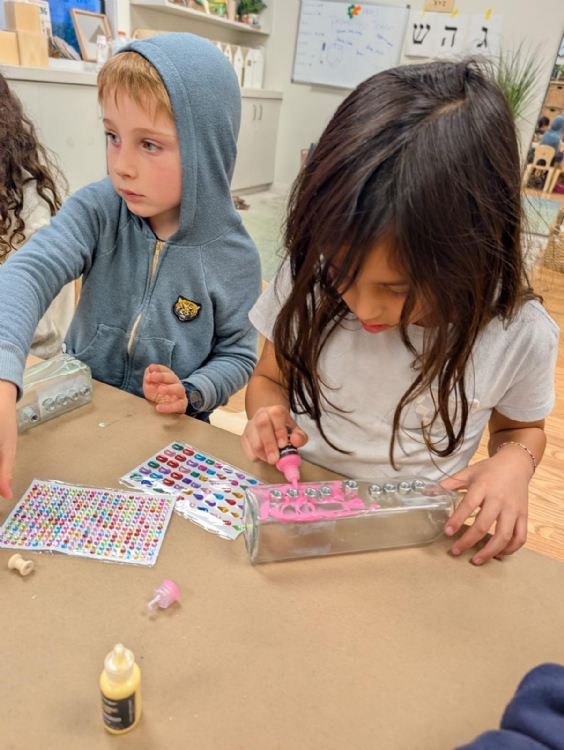
Recent Photos

This Week @ www.ChabadPalisades.com

  
By the Numbers
10 Diverse and Delectable Things Jews Do With Dates
Dates aren’t just sweet and delicious. They play a large role in Jewish life, from Biblical times to today.
  
Your Questions
How Long Should Shabbat Candles Burn?
What halachic benefit must Shabbat candles provide?
  
The Freeman Files
What Is Chabad?
Chabad is a cognitive approach that has faith in the divine spark within each of us, and empowers us to find that spark and fan its flames. Not through coercion, not through guilt or tirades from the pulpit, nor by promises of instant enlightenment does Chabad reach the Jew, but by facilitating each one in his or her own path.
  
History
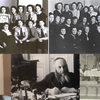
The Untold Story of Achos Tmimim

Parshah in a Nutshell


Parshat Vayeishev

The name of the Parshah, "Vayeshev," means "And he dwelt" and it is found in Genesis 37:1.

Jacob settles in Hebron with his twelve sons. His favorite is seventeen-year-old Joseph, whose brothers are jealous of the preferential treatment he receives from his father, such as a precious many-colored coat that Jacob makes for Joseph. Joseph relates to his brothers two of his dreams which foretell that he is destined to rule over them, increasing their envy and hatred towards him.

Simeon and Levi plot to kill him, but Reuben suggests that they throw him into a pit instead, intending to come back later and save him. While Joseph is in the pit, Judah has him sold to a band of passing Ishmaelites. The brothers dip Joseph’s special coat in the blood of a goat and show it to their father, leading him to believe that his most beloved son was devoured by a wild beast.

Judah marries and has three children. The eldest, Er, dies young and childless, and his wife, Tamar, is given in levirate marriage to the second son, Onan. Onan sins by spilling his seed, and he too meets an early death. Judah is reluctant to have his third son marry her. Determined to have a child from Judah’s family, Tamar disguises herself as a prostitute and seduces Judah himself. Judah hears that his daughter-in-law has become pregnant and orders her executed for harlotry, but when Tamar produces some personal effects he left with her as a pledge for payment, he publicly admits that he is the father. Tamar gives birth to twin sons, Peretz (an ancestor of King David) and Zerach.

Joseph is taken to Egypt and sold to Potiphar, the minister in charge of Pharaoh’s slaughterhouses. Gd blesses everything he does, and soon he is made overseer of all his master’s property. Potiphar’s wife desires the handsome and charismatic lad; when Joseph rejects her advances, she tells her husband that the Hebrew slave tried to force himself on her, and has him thrown into prison. Joseph gains the trust and admiration of his jailers, who appoint him to a position of authority in the prison administration.

In prison, Joseph meets Pharaoh’s chief butler and chief baker, both incarcerated for offending their royal master. Both have disturbing dreams, which Joseph interprets; in three days, he tells them, the butler will be released and the baker hanged. Joseph asks the butler to intercede on his behalf with Pharaoh. Joseph’s predictions are fulfilled, but the butler forgets all about Joseph and does nothing for him.

Learn: Vayeshev in Depth
Browse: Vayeshev Parshah Columnists
Prep: Devar Torah Q&A for Vayeshev
Read: Haftarah in a Nutshell
Play: Vayeshev Parshah Quiz

 

Today's Quote

They shall make for Me a Sanctuary, and I shall dwell amidst them.
— Exodus 25:8

Chabad World News