DO YOU AVOID THE SILENCE?
ב"ה
Icon
Candle Lighting Times for
Pacific Palisades:
Friday, Feb. 13
5:18 pm

Message from the Rabbi

Dear Friend,

The Book of Bamidbar opens not with drama, but with silence. “And G-d spoke to Moses in the wilderness.” Before revelation, there is emptiness. Before direction, there is space.

A true and telling story is shared about Rabbi Shneur Zalman of Liadi, the Alter Rebbe. When he was imprisoned by the Russian authorities, he was interrogated at length. One officer, who had clearly studied Scripture, asked mockingly, “Your Torah says, ‘And G-d called to Adam and said, Where are you?’ Surely G-d knew where Adam was. So what kind of question is that?”

The Alter Rebbe answered calmly, “G-d was not asking Adam where he was physically. He was asking, ‘Where are you in your life right now? After all you were given, where have you placed yourself?’”

The officer was shaken. The question, he realized, was no longer ancient or theoretical. It was personal.

Bamidbar teaches that G-d does not speak amidst noise, comfort, or self-certainty. He speaks in the midbar, the wilderness, a place without landmarks, where a person must confront themselves honestly. Only there can we hear the deeper question: Where are you?

Many of us avoid the wilderness. We fill our lives with busyness, opinions, and distractions. But the Torah reminds us that growth begins when we allow ourselves moments of quiet vulnerability, when we admit we do not have all the answers.

Bamidbar is not a punishment. It is preparation. When we make space, G-d’s voice finds us.

Shabbat Shalom,
Rabbi Zushe Cunin


Shabbat Schedule:

 Shabbat, February 13
Morning Service: 10:00am
Followed by Kiddush & Refreshments

Shabbat Ends 6:15pm

Sunday, February 15
Shachris: 8:30am

All services take place at Chabad Castellammare
Please text Rebbetzin Zisi at (310) 628-4446 with any questions.

Recent Photos

This Week @ www.ChabadPalisades.com

  
By the Numbers
11 Facts About Jews and Flowers
Did you know that flowers also have a special place in Jewish life and tradition?
  
Your Questions
Why Do We Raise Up During Kedushah?
Kedushah reenacts the angels’ praise as we rise toward G-d and acknowledge His unknowable greatness.
  
The Freeman Files
Women in the Synagogue
The issue is even more baffling than you think. Most of the guidelines for prayer, we learned from a lady named Chana who lived about 3000 years ago. Yet all the dominant roles in communal prayer are given to men!
  
Jewish News
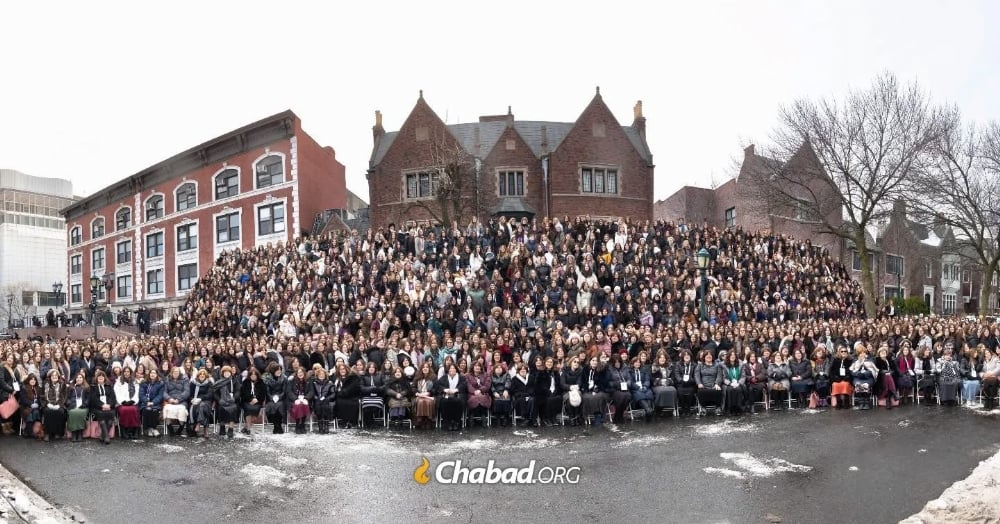
Thousands of Emissaries Conclude Conf. With Visit to the Ohel

Parshah in a Nutshell


Parshat Mishpatim

The name of the Parshah, "Mishpatim," means "Ordinances" and it is found in Exodus 21:1.

Following the revelation at Sinai, G‑d legislates a series of laws for the people of Israel. These include the laws of the indentured servant; the penalties for murder, kidnapping, assault and theft; civil laws pertaining to redress of damages, the granting of loans and the responsibilities of the “ Four Guardians”; and the rules governing the conduct of justice by courts of law.

Also included are laws warning against mistreatment of foreigners; the observance of the seasonal festivals, and the agricultural gifts that are to be brought to the Holy Temple in Jerusalem; the prohibition against cooking meat with milk; and the mitzvah of prayer. Altogether, the Parshah of Mishpatim contains 53 mitzvot—23 imperative commandments and 30 prohibitions.

G‑d promises to bring the people of Israel to the Holy Land, and warns them against assuming the pagan ways of its current inhabitants.

The people of Israel proclaim, “ We will do and we will hear all that G‑d commands us.” Leaving Aaron and Hur in charge in the Israelite camp, Moses ascends Mount Sinai and remains there for forty days and forty nights to receive the Torah from G‑d.

Learn: Mishpatim in Depth
Browse: Mishpatim Parshah Columnists
Prep: Devar Torah Q&A for Mishpatim
Read: Haftarah in a Nutshell
Play: Mishpatim Parshah Quiz


Parshat Shekalim

This week’s Torah reading also includes Parshat Shekalim (Exodus 30:11–16), which speaks of the half-shekel each Jew contributed to the Sanctuary.


Today's Quote

The beginning of wisdom is fear of G-d
— Psalms 111:10

Chabad World News