SURROUNDED BY FIRE, NOT DESTROYED
ב"ה
Icon
Candle Lighting Times for
Pacific Palisades:
Friday, Jan. 9
4:45 pm

Message from the Rabbi

Dear Friend,

This week’s Torah portion, Shemot, contains the dramatic scene of the Burning Bush, where G-d reveals Himself to Moses in a bush that blazes with fire yet is not consumed, a sign that G-d’s presence can be found even in the most humble and unexpected places. G-d calls Moses and entrusts him with the task of confronting Pharaoh and leading the Israelites out of Egypt, promising that He has seen their suffering and heard their cries. This encounter marks the beginning of Moses’ divine mission and the liberation of the Children of Israel.

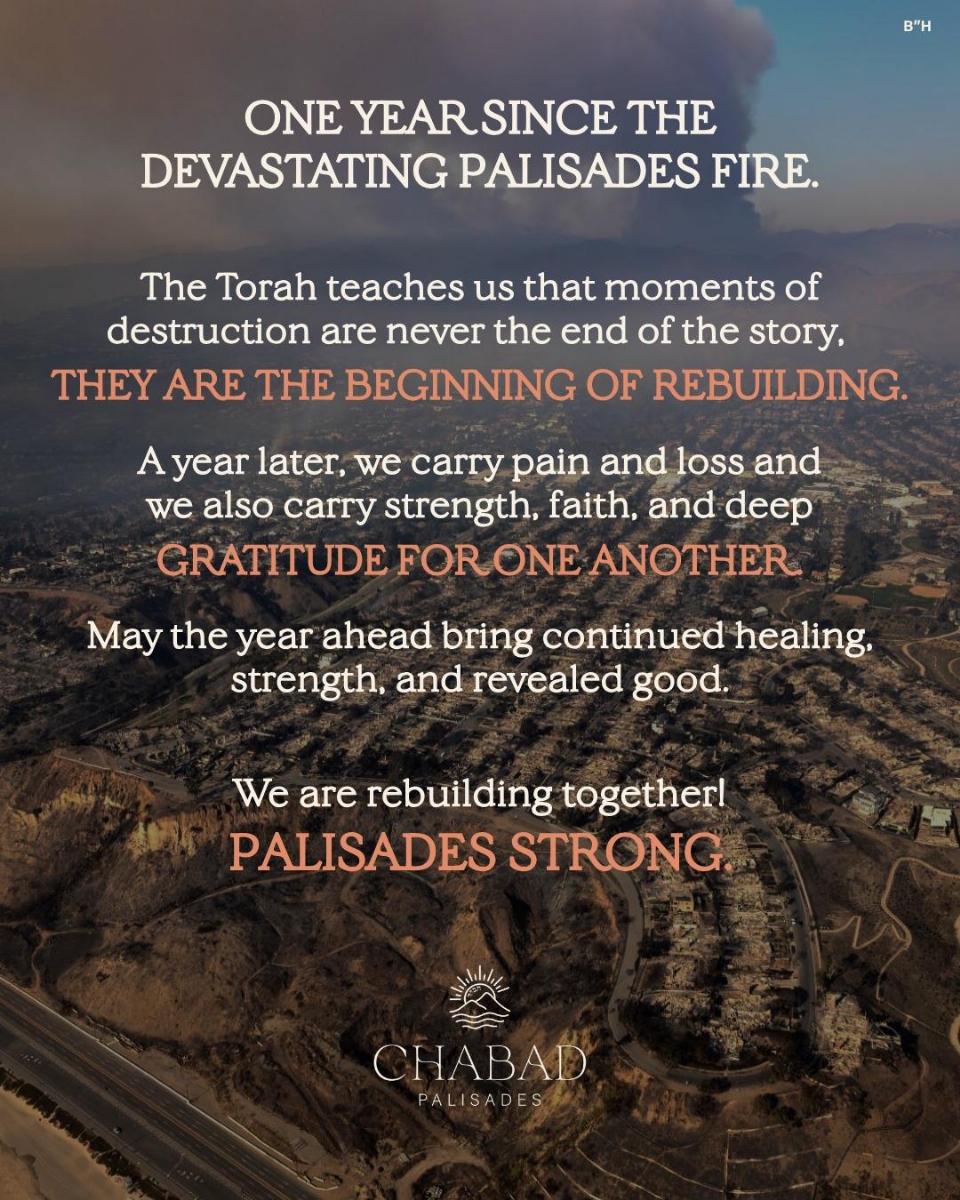
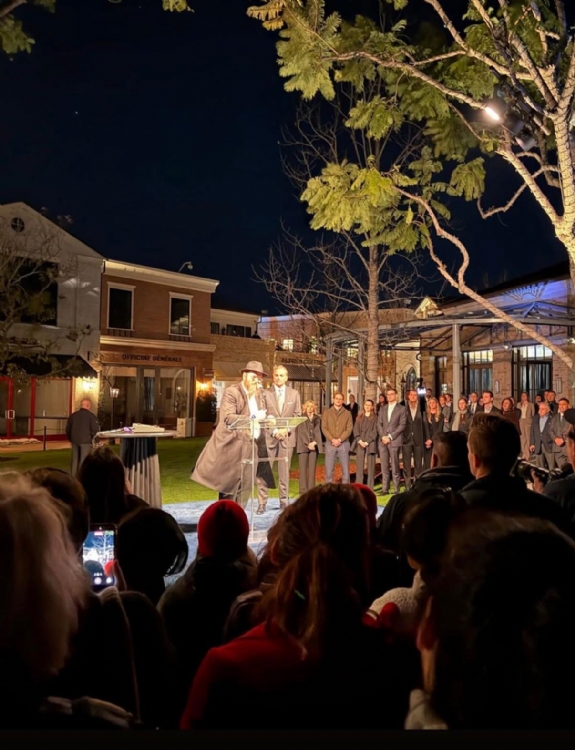
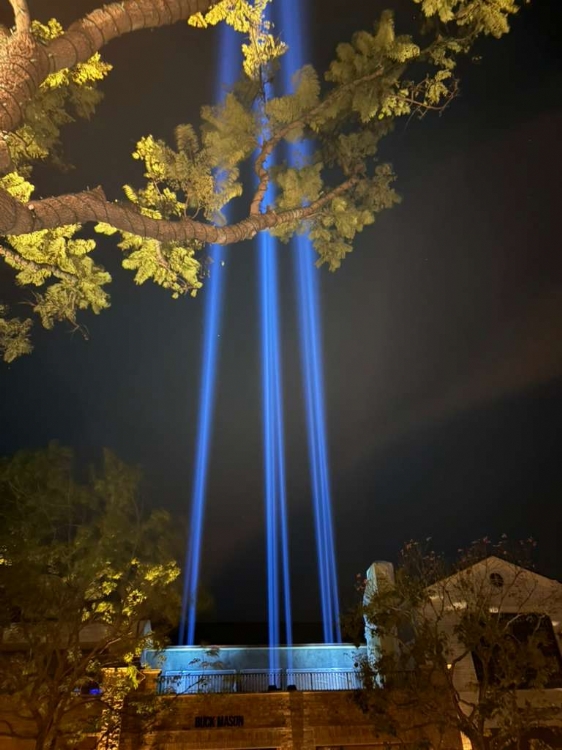
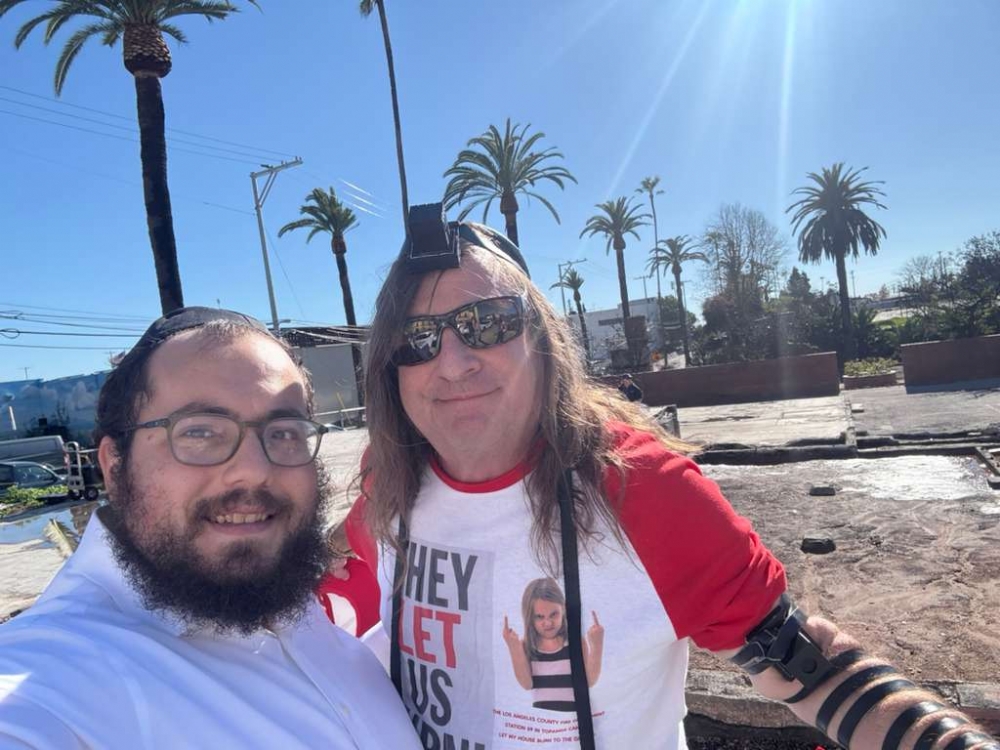
As we read this portion, we also mark one year since the devastating Palisades fire. That moment left a lasting imprint, reminding us how suddenly life can feel surrounded by flames of uncertainty and loss. And yet, like the Burning Bush, our community has endured, shaken but not destroyed. Through resilience, faith, and the support of one another, we have witnessed strength emerge even from challenge.

There is a Chassidic teaching that sheds deeper light on this moment. The Burning Bush represents the Jewish people in exile, surrounded by fire yet not destroyed, demonstrating that even in the darkest times, G-d’s protection remains. Moses’ response, stopping to look and engage with what he saw, teaches that genuine leadership begins with noticing the pain and struggle around us before acting to help. By turning toward the fire instead of turning away, Moses was chosen to bring redemption.

May this lesson inspire us to see the sacred in the ordinary and to respond with compassion to the needs of others, inviting G-d’s presence into every moment of our lives.

Shabbat Shalom,
Rabbi Zushe Cunin


Shabbat Schedule:

 Shabbat, January 10
Morning Service: 10:00am
Followed by Kiddush & Refreshments

Shabbat Ends 5:44pm

All services take place at Chabad Castellammare
Please text Rebbetzin Zisi at (310) 628-4446 with any questions.

Recent Photos

This Week @ www.ChabadPalisades.com

  
By the Numbers
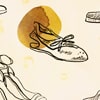
16 Things About Jews and Shoes
Here’s something to think about the next time you put on your shoes.
  
Your Questions
Why Do We Cover Our Eyes for Shema?
It is crucial to have the proper intention when reciting the first verse of Shema, even more so than during other parts of prayer.
  
Podcasts
G-d Chose Me to be Shot by a Terrorist
Leibel Lazaroff was shot while protecting a police officer at the Bondi massacre. Hear him and his mother share their journey so far.
  
The Freeman Files
Free Will In Judaism

Parshah in a Nutshell


Parshat Shemot

The name of the Parshah, "Shemot," means "Names" and it is found in Exodus 1:1 - 6:1.

The children of Israel multiply in Egypt. Threatened by their growing numbers, Pharaoh enslaves them and orders the Hebrew midwives, Shifrah and Puah, to kill all male babies at birth. When they do not comply, he commands his people to cast the Hebrew babies into the Nile.

A child is born to Yocheved, the daughter of Levi, and her husband, Amram, and placed in a basket on the river, while the baby’s sister, Miriam, stands watch from afar. Pharaoh’s daughter discovers the boy, raises him as her son, and names him Moses.

As a young man, Moses leaves the palace and discovers the hardship of his brethren. He sees an Egyptian beating a Hebrew, and kills the Egyptian. The next day he sees two Jews fighting; when he admonishes them, they reveal his deed of the previous day, and Moses is forced to flee to Midian. There he rescues Jethro’s daughters, marries one of them ( Tzipporah), and becomes a shepherd of his father-in-law’s flocks.

G‑d appears to Moses in a burning bush at the foot of Mount Sinai, and instructs him to go to Pharaoh and demand: “Let My people go, so that they may serve Me.” Moses’ brother, Aaron, is appointed to serve as his spokesman. In Egypt, Moses and Aaron assemble the elders of Israel to tell them that the time of their redemption has come. The people believe; but Pharaoh refuses to let them go, and even intensifies the suffering of Israel.

Moses returns to G‑d to protest: “ Why have You done evil to this people?” G‑d promises that the redemption is close at hand.

Learn: Shemot in Depth
Browse: Shemot Parshah Columnists
Prep: Devar Torah Q&A for Shemot
Read: Haftarah in a Nutshell
Play: Shemot Parshah Quiz

 

Today's Quote

And if you shall say: What shall we eat in the seventh year, if we do not plant, nor gather our crops? But I will command my blessing upon you in the sixth year, and it shall bring forth fruit for three years . . .
— Leviticus 25:20–21

Chabad World News