Stand together
ב"ה

Message from the Rabbi

Dear Friend,

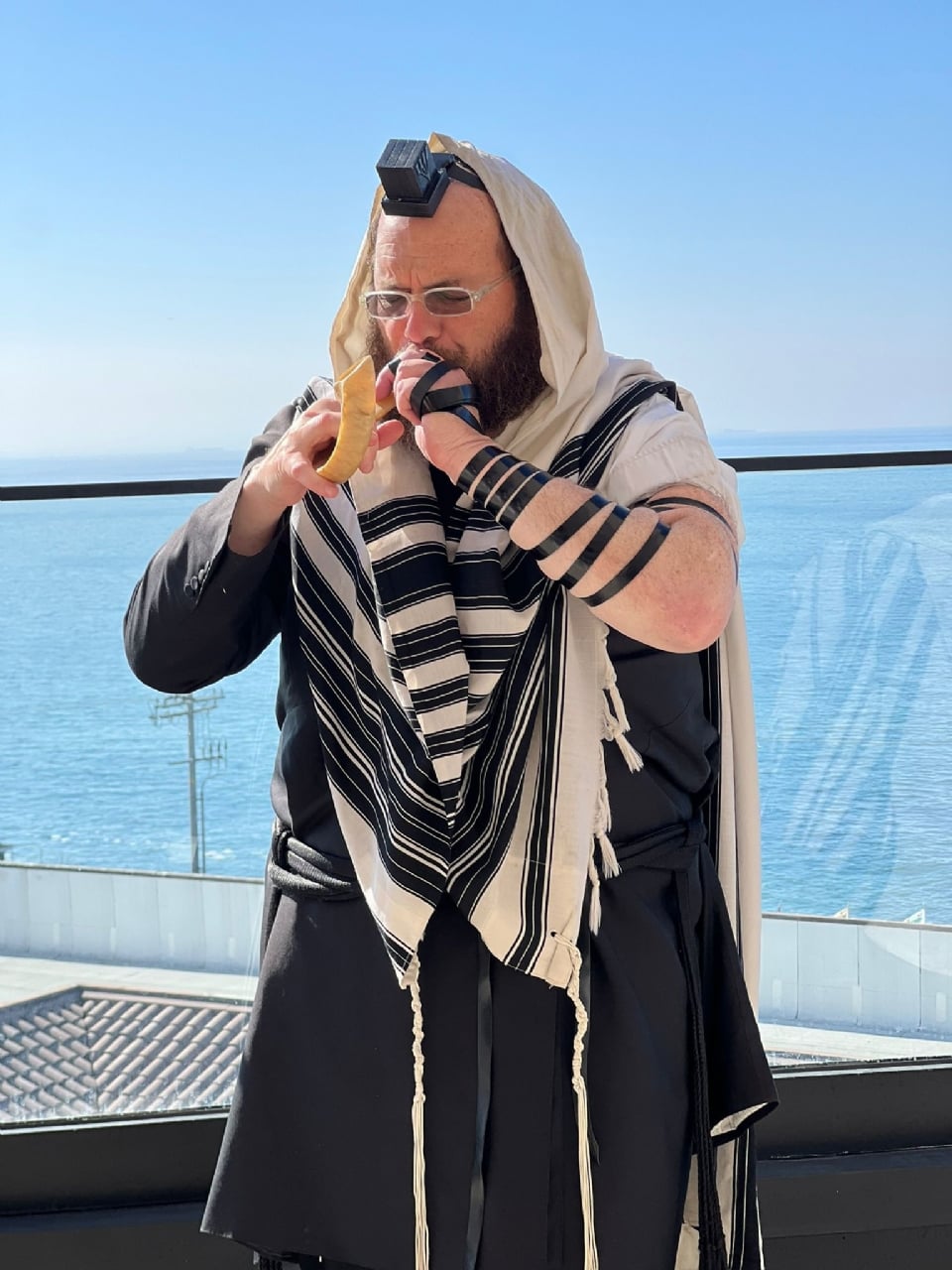
As we stand together this Shabbat reading Netzavim, we encounter the words: “You are standing today, all of you, before the Lord your G-d” (Devarim 29:9). The commentaries explain that this gathering was not only a historic moment before entering the Land, but also a timeless vision: the Jewish people stand united before G-d on the eve of Rosh Hashanah, the Day of Judgment.

Rosh Hashanah is not only about judgment; it is about presence. To stand before G-d means to be fully here with our community, our family, and our true selves. Each person is counted, each person is precious, from the leaders down to the water carriers. On this day, no Jew is forgotten.The Alter Rebbe of Chabad once described Rosh Hashanah as the moment when G-d awaits our coronation of Him as King. Just as a king’s crown is composed of many jewels, so too every Jew is a jewel in the Divine crown. Without one, the crown is incomplete.

A chassid once asked the Rebbe Rashab how to prepare for Rosh Hashanah. The Rebbe answered: “Think about another Jew. If you are thinking of yourself, you are small. If you are thinking of G-d, you are great. But if you are thinking of another Jew, you are truly connected.”

This is the message of Netzavim: we stand not as individuals, but as a people. When we stand together, we can each enter the new year with confidence, joy, and blessing.

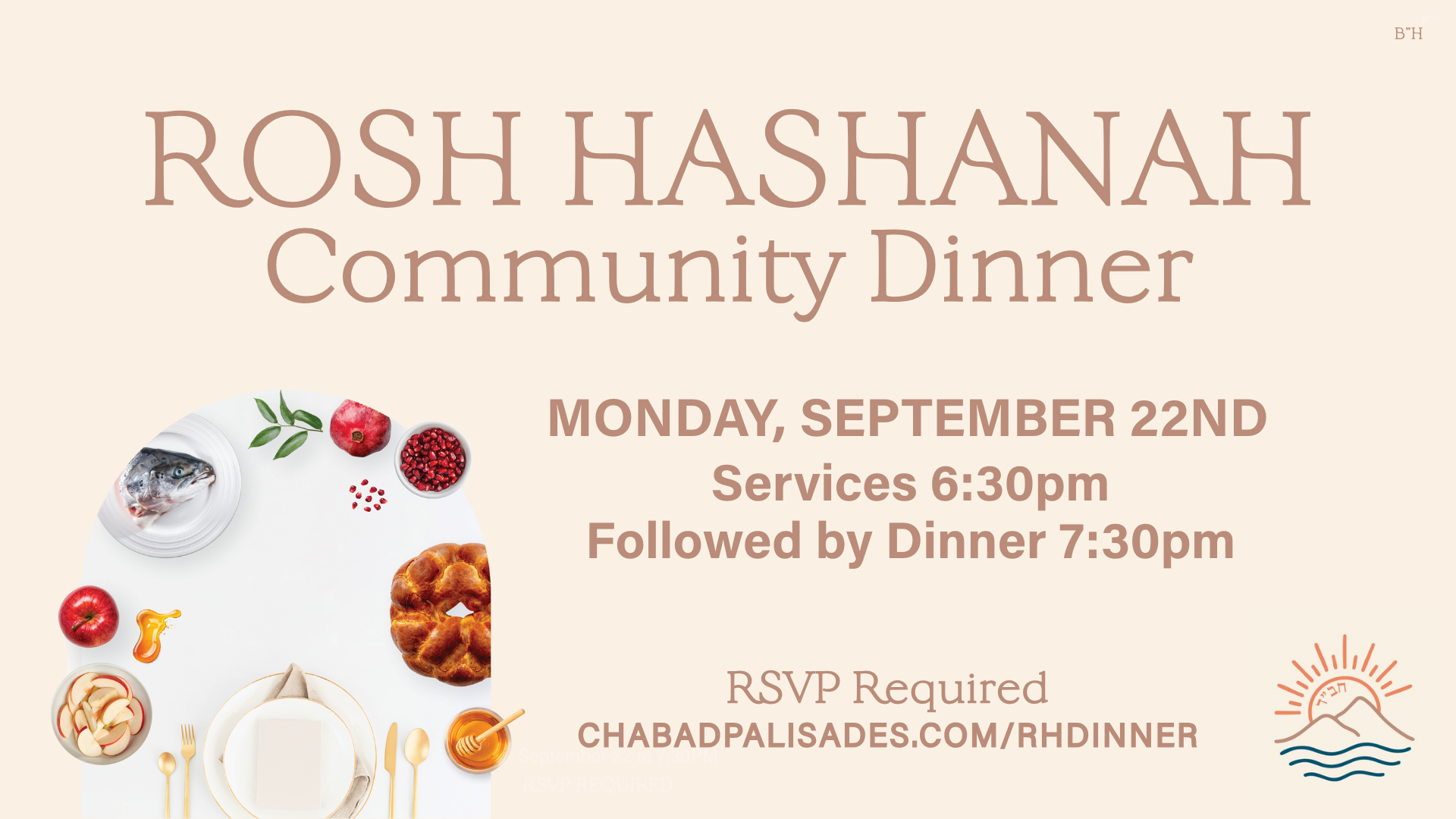
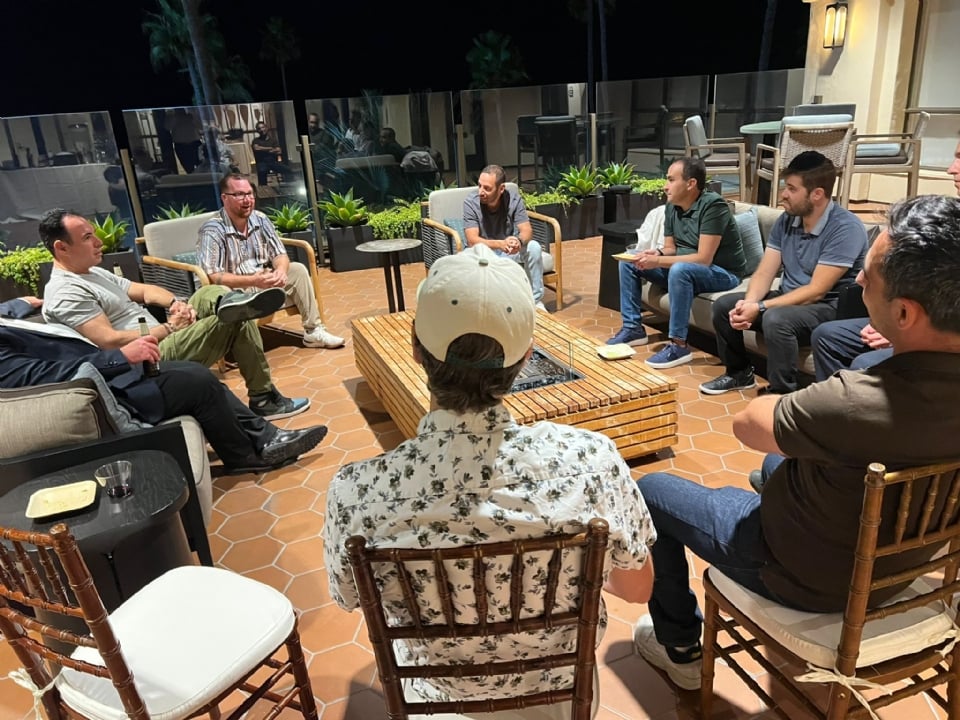
We look forward to welcoming you back to the Palisades at our beloved Chabad Campus at 17315 Sunset Blvd, as we usher in Rosh Hashanah together. If you haven’t RSVP’d yet, please take a moment to do so at chabadpalisades.com/hh25.

May this Rosh Hashanah bring renewal, healing, and peace for you, your family, and for all of Am Yisrael.

Shabbat Shalom & Shana Tova,
Rabbi Zushe Cunin

Upcoming Events

Recent Photos

View More Photos →

This Week @ ChabadPalisades.com

   
Freeman Files
The Fair Maiden’s Cry
Call out from the depths of your heart, and the depths of heaven ring.
   
Your Questions
Is Seltzer Yiddish?
How did it become the go-to drink at every Kiddush, bris, wedding and Shabbat meal?
   
By the Numbers
11 Facts You Should Know About a Beth Din (Jewish Court of Law)
From the great Sanhedrin in Temple times to the beth din of today, these courts have always played an important role in Jewish life.
   
Halachah for Life
What You Need to Know About Synagogue Etiquette
Since a synagogue contains inherent holiness, there are some important halachot to keep in mind when entering.

Parshah in a Nutshell


Parshat Ki Teitzei

The name of the Parshah, "Ki Teitzei," means "when you go out," and it is found in Deuteronomy 21:10.

Seventy-four of the Torah’s 613 commandments ( mitzvot) are in the Parshah of Ki Teitzei. These include the laws of the beautiful captive, the inheritance rights of the firstborn, the wayward and rebellious son, burial and dignity of the dead, returning a lost object, sending away the mother bird before taking her young, the duty to erect a safety fence around the roof of one’s home, and the various forms of kilayim (forbidden plant and animal hybrids).

Also recounted are the judicial procedures and penalties for adultery, for the rape or seduction of an unmarried girl, and for a husband who falsely accuses his wife of infidelity. The following cannot marry a person of Jewish lineage: a mamzer (someone born from an adulterous or incestuous relationship); a male of Moabite or Ammonite descent; a first- or second-generation Edomite or Egyptian.

Our Parshah also includes laws governing the purity of the military camp; the prohibition against turning in an escaped slave; the duty to pay a worker on time, and to allow anyone working for you—man or animal—to “eat on the job”; the proper treatment of a debtor, and the prohibition against charging interest on a loan; the laws of divorce (from which are also derived many of the laws of marriage); the penalty of thirty-nine lashes for transgression of a Torah prohibition; and the procedures for yibbum (“levirate marriage”) of the wife of a deceased childless brother, or chalitzah (“removing of the shoe”) in the case that the brother-in-law does not wish to marry her.

Ki Teitzei concludes with the obligation to remember “what Amalek did to you on the road, on your way out of Egypt.”

Learn: Ki Teitzei in Depth
Browse: Ki Teitzei Parshah Columnists
Prep: Devar Torah Q&A for Ki Teitzei
Read: Haftarah in a Nutshell
Play: Ki Teitzei Parshah Quiz


Today's Quote

There may be food, there may be drink, but if there is no peace there is nothing
— Rashi (on Leviticus 26:6)

Chabad World News

   
Caribbean
Aruba’s Jewish Prime Minister Prepares to Meet the King
   
North America
Richmond Chabad Invigorates Jewish Life at VCU
Ensuring every Jewish student knows: You belong, you matter, and you are never alone.
   
North America
In Park City, Jewish Life Is Rapidly Growing
   
North America
Chabad Sets Up Shop in Neighborhood Once Closed to Jews