True Greatness Begins with Humility
ב״ה

 
This Week at Chabad of Pacific Palisades
Candle Lighting
Candle Lighting Times for
Pacific Palisades:
Friday, Apr. 4
7:00 pm
Torah Portion: Vayikra
 

Chabad of Pacific PalisadesEmail: [email protected]Phone: 310-454-7783www.ChabadPalisades.com


Rabbi's Message
Message from the Rabbi


Dear Friends,

This week’s Torah reading Vayikra, begins with the word "Vayikra" (ויקרא), meaning "And He called." Uniquely, the aleph at the end of the word is written smaller than the other letters in the Torah. The Baal HaTurim explains that this reflects Moshe’s humility. Unlike the word "Vayikar" (without an aleph), which was used for Hashem’s appearance to Bilaam the evil prophet suggesting a chance encounter. "Vayikra" (with an aleph), signifies a loving and intentional calling. Moshe, despite being the greatest prophet, did not see himself as worthy and wanted to downplay his closeness to Hashem, so he used a small aleph.

This small aleph teaches us the balance between greatness and humility. True humility does not mean denying one’s gifts; Moshe knew he was the leader of Israel, yet he remained humble by recognizing that everything he had was from Hashem. The greatest people are those who know their strengths but use them in service of something higher. 

The Frierdiker Rebbe, Rabbi Yosef Yitzchak Schneersohn, once visited a shul where he noticed a man sitting with an air of self-importance. The Rebbe turned to him and said, "A yeshiva student once wrote to my father, the Rebbe Rashab, that he feels like a nothing. My father responded, ‘To be a nothing is also something!’ But my dear friend, you, on the other hand, have made yourself into something, perhaps it’s time to become a little more nothing?" 

Humility is not about thinking less of yourself; it’s about thinking of yourself less. Like Moshe, we must embrace our role while recognizing that all greatness comes from Hashem. When we do, we become true vessels for His calling.

Shabbat Shalom,
Rabbi Zushe Cunin


Service Times
Service Times

This Shabbat, we will be joining Chabad of Simcha Monica at the Living Torah Center for an uplifting and memorable Shabbat experience.

Friday Night - April 4th
Mincha/Kabbalat Shabbat: 7:00 PM

Shabbat Day - April 5th
Shabbat Services: 9:30 AM
   Kids Program: 10:30 AM
    Followed by Kiddush

Location:
Living Torah Center
1341 9th Street
Santa Monica, CA 90401

Please note, services will be held outdoors.


Service Times
Announcements + Events
 
 
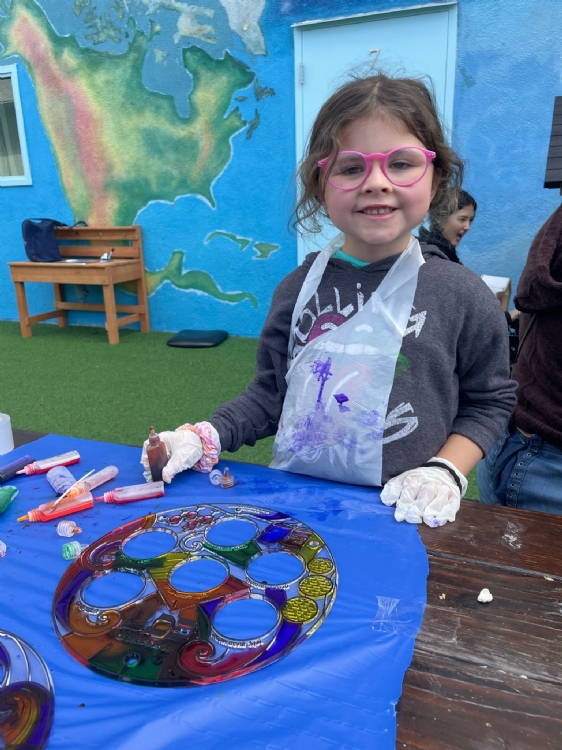
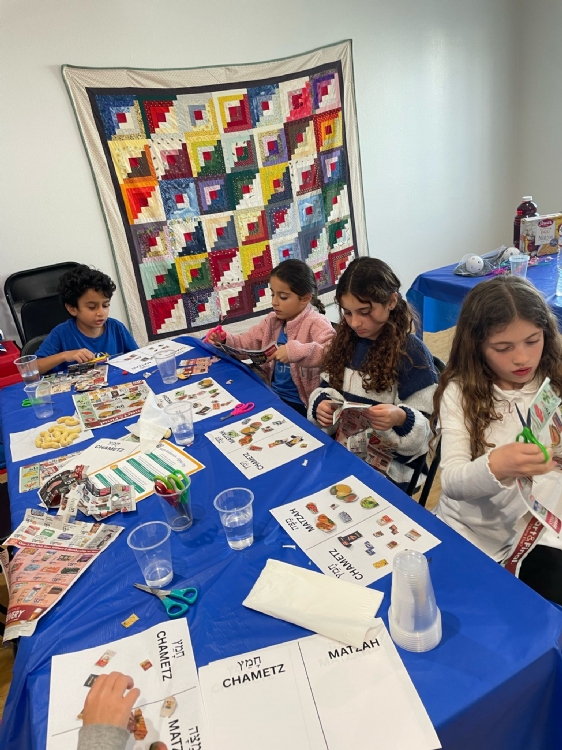
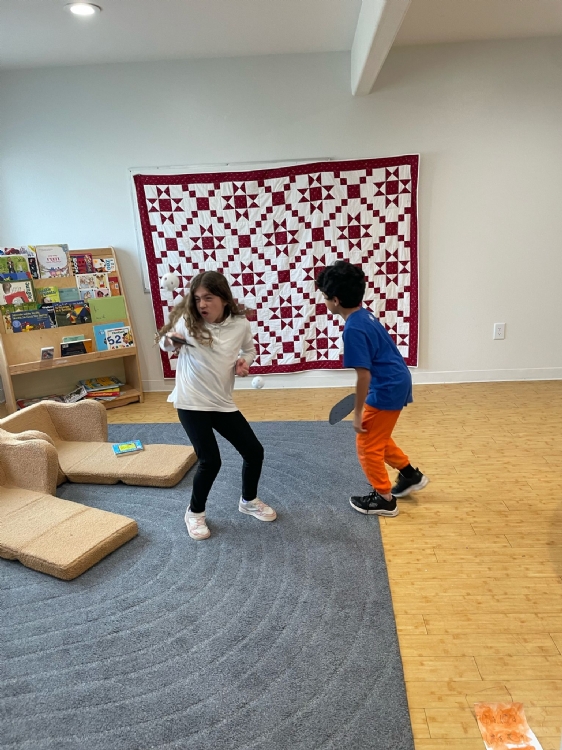
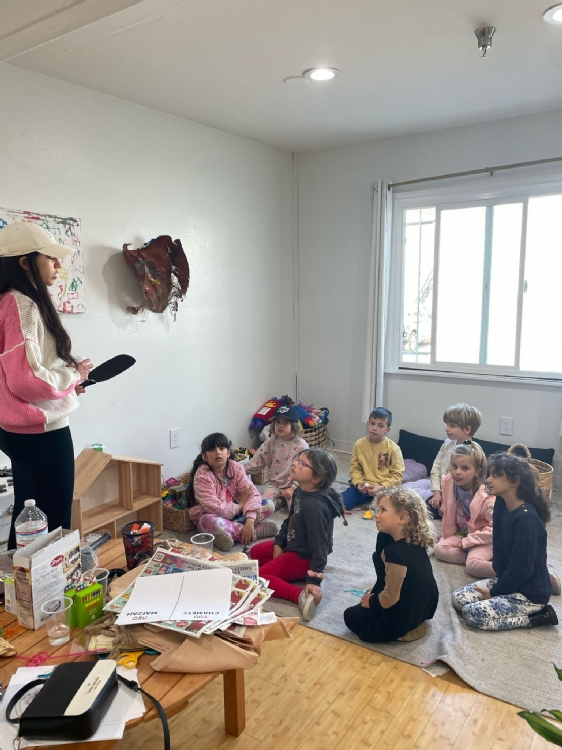
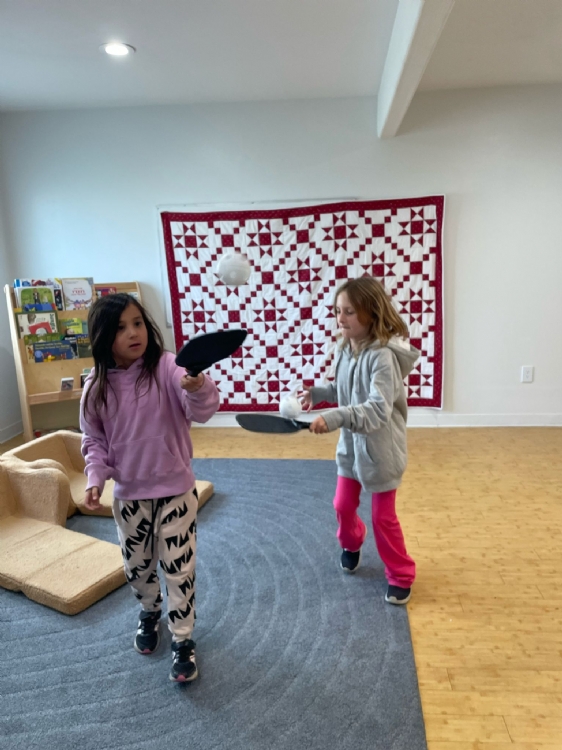
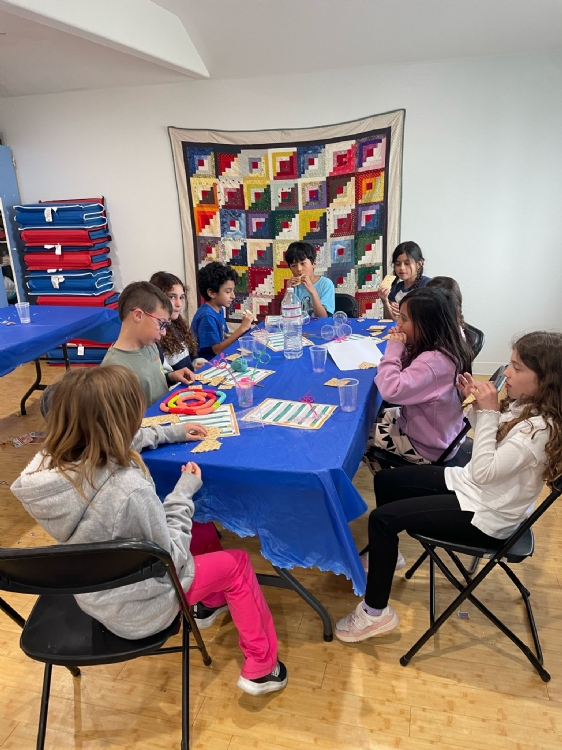
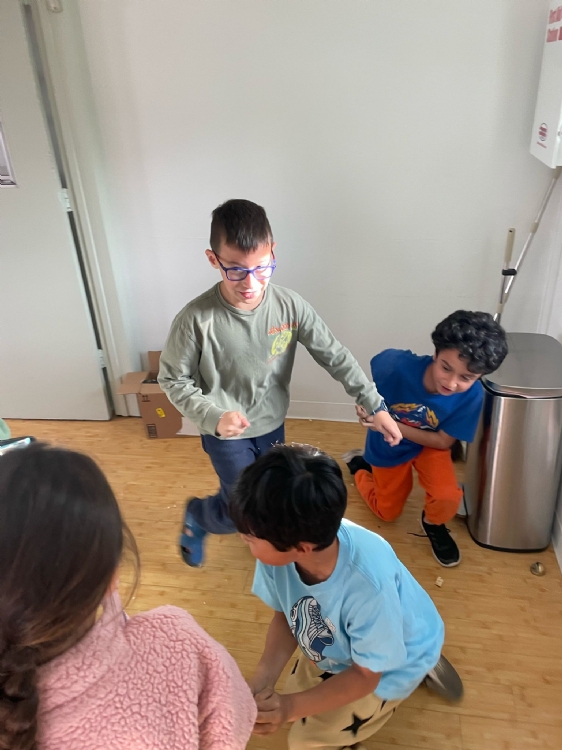
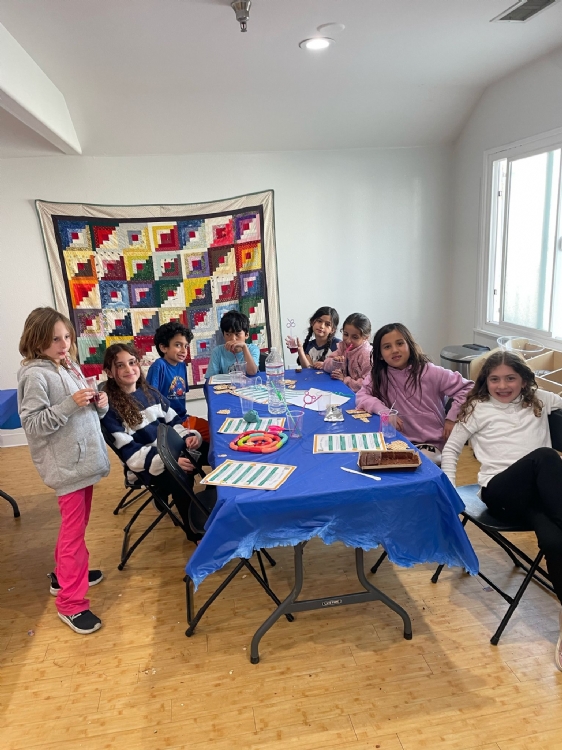
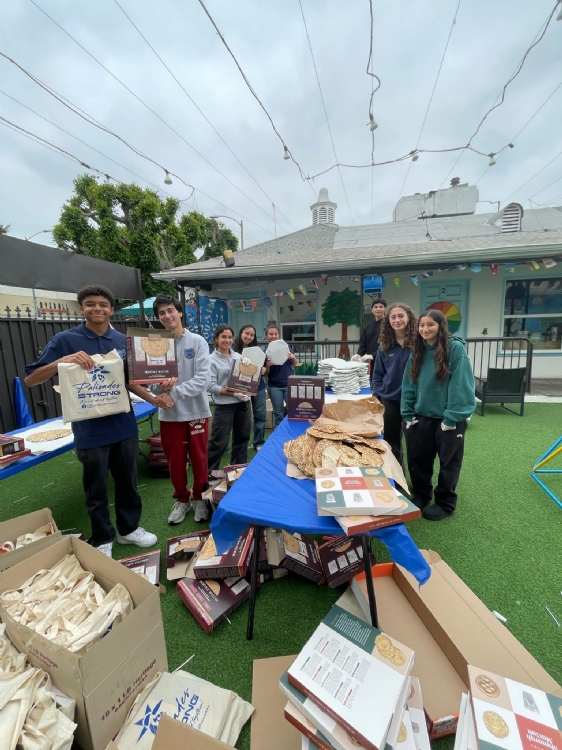
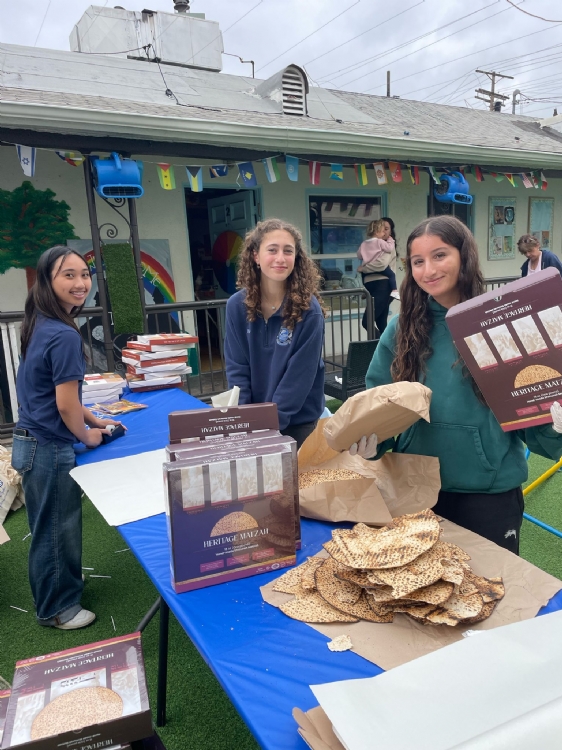
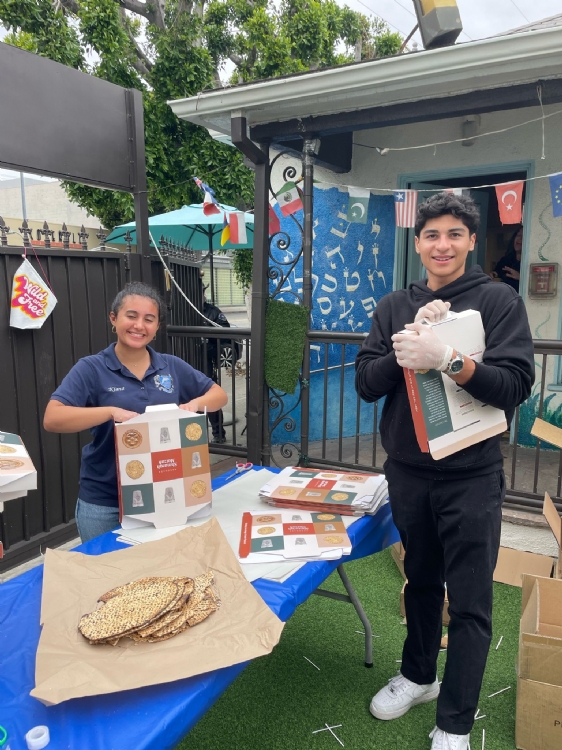
Recent Photos
Recent Photos
 
Recent Photos (new)
 
This Week @
Download our Weekly Newsletter and Service Pamphlets

To download the weekly Service Pamphlet and Newsletter, simply CLICK HERE or visit our website: www.chabadpalisades.com (Synagogue / Schedule / Pamphlet and Newsletter Downloads)*


Donate
Donate

Join in and become a partner in the work we do!


This Week @
This Week @ www.ChabadPalisades.com
  
By the Numbers
15 Facts You Should Know About the Sale of Chametz
One of the most important steps in getting ready for Passover is selling your chametz (leavened food) to a non-Jew. But why do we do this, and how does it actually work?
  
Your Questions
Why Does Chabad Prefer Onion (and Potato) for Karpas?
The Talmud does not specify which vegetable to use for karpas—any vegetable is acceptable, except those used for maror.
  
Podcasts
The Secret to Your Life Mission
Creator of Project Purpose shares practical tips and philosophical signposts for your personal journey toward self-actualization and purposeful living based on the teachings of the Rebbe.
  
Project Purpose
The Book of Your Life
 
 
Parshah
Parshah in a Nutshell

Parshat Vayikra

The name of the Parshah, “Vayikra,” means “And [He] called” and it is found in Leviticus 1:1.

G‑d calls to Moses from the Tent of Meeting, and communicates to him the laws of the korbanot, the animal and meal offerings brought in the Sanctuary. These include:

• The “ascending offering” (olah) that is wholly raised to G‑d by the fire atop the altar;

• Five varieties of “meal offering” (minchah) prepared with fine flour, olive oil and frankincense;

• The “peace offering” (shelamim), whose meat was eaten by the one bringing the offering, after parts are burned on the altar and parts are given to the kohanim (priests);

• The different types of “sin offering” (chatat) brought to atone for transgressions committed erroneously by the high priest, the entire community, the king or the ordinary Jew;

• The “guilt offering” (asham) brought by one who has misappropriated property of the Sanctuary, who is in doubt as to whether he transgressed a divine prohibition, or who has committed a “betrayal against G‑d” by swearing falsely to defraud a fellow man.

Learn: Vayikra in Depth
Browse: Vayikra Parshah Columnists
Prep: Devar Torah Q&A for Vayikra
Read: Haftarah in a Nutshell
Play: Vayikra Parshah Quiz



Today's Quote
Today's Quote
If the eye were allowed to see the spiritual vitality flowing from the utterance of G-d's mouth into every creation, we would not see the materiality, grossness and tangibility of the creation, for it would be utterly nullified in relation to this divine life-force...
— Tanya, part II, ch. 3


Chabad World News
Chabad World News
  
Middle East
Former Hostage Sasha Troufanov, Released in February, Visits the Rebbe’s Resting Place
  
North America
Surprise! New Shluchim in Surprise, Arizona
Surprise has experienced rapid growth over the past few decades, earning a spot on the list of “Top 25 Growth Cities in America” every year since 2020.
  
Business
How Chabad.org Pioneered Online Passover Chametz Sales 25 Years Ago

  
Asia
Massive 7.7 Earthquake Strikes Thailand; Jewish Community Reported Safe