Walking in the Footsteps of Our Forebearers
ב״ה

 
This Week at Chabad of Pacific Palisades
Candle Lighting
Candle Lighting Times for
Pacific Palisades:
Friday, Nov. 15
4:32 pm
Torah Portion: Vayeira
 
Chabad of Pacific PalisadesEmail: [email protected]Phone: 310-454-7783www.ChabadPalisades.com
 
 
Rabbi's Message
Message from the Rabbi
 
 
Dear Friends,

This week’s Parsha offers us glimpses into the moral foundations of Jewish life, shaped by the actions of our forefather Abraham. His life becomes a blueprint, guiding Jewish values and the principles that define our society.

We learn about G-d’s promise to Abraham that he will have a son with Sarah, and, subsequently, Sarah’s laughter as she named her son, Yitzhak—will laugh. Laughter here symbolizes the need to remain openminded about the outcomes of experiences in our lives, how G-d’s plans, which are often mysterious and hidden, will be revealed. Sarah’s joy reflects our eventual understanding that even when we feel powerless, G-d works beyond nature to fulfill blessings and bring purpose to our lives.

We see Abraham pleading on behalf of Sodom. Though he knows of the city’s corruption, he asks G-d to spare it if even a few righteous people are found there. Abraham’s compassion and unwavering hope for redemption teach us the value of every individual and remind us that, in Judaism, the potential for goodness must always be sought. This principle is mirrored today in the IDF’s commitment to moral standards, where every life is valued, and great care is taken to avoid harming the innocent.

As we walk in the footsteps of our forebearers, we can trace the moral building blocks of Jewish society. We learn deep lessons about trusting G-d even when all seems lost. We are reminded that we must always have compassion for others and show up with integrity in all that we do. As our stories unfold, let us, like Abraham, live lives that leave a positive imprint on society. Let us be a light onto the world, and bring it to a better place, a time when the truth of G-d’s greatness will be revealed for all to see.

Shabbat Shalom,

Rabbi Zushe Cunin


Service Times
Service Times

Friday Kabbalat Shabbat Chabad
4:40pm

Shabbat at Chabad
5:30pm RSVP Required

Shabbat Morning Torah Study Class
9:00am

Shabbat Day Services
10:00am

Kiddush and Refreshments
12:30pm


Featured Events


      Weekly Tanya Class with Rabbi Shimon
Sundays 8:00-8:30am at Chabad

Practical Tanya with Rabbi Zushe
Mondays 1:30-2:30pm at Chabad

Parsha Torah Study
Shabbat Morning 9:00am at Chabad


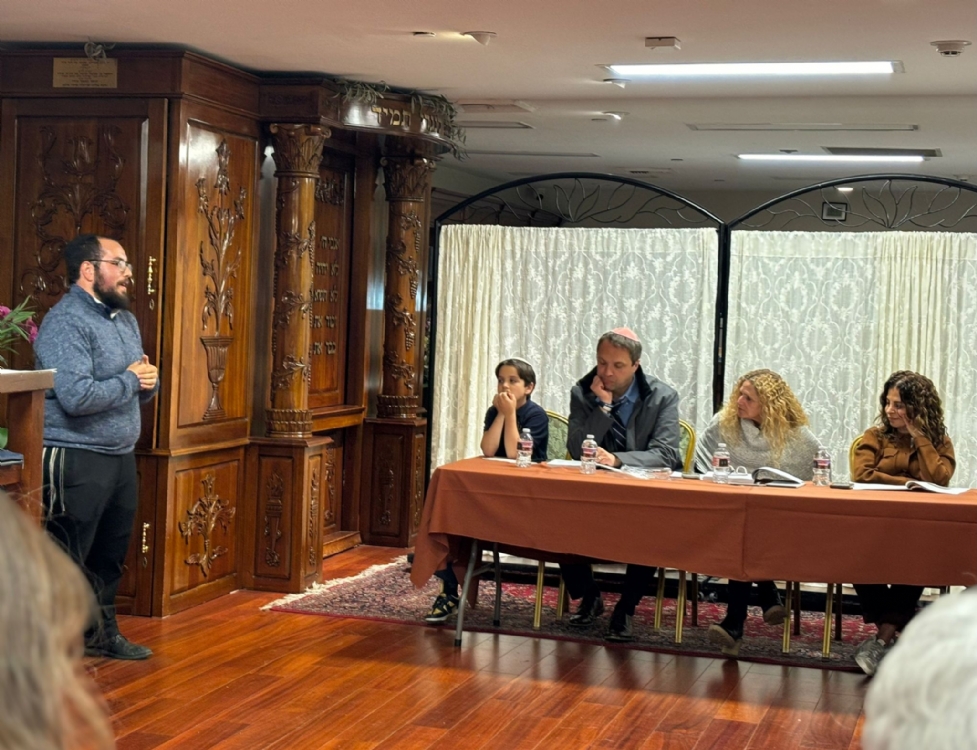
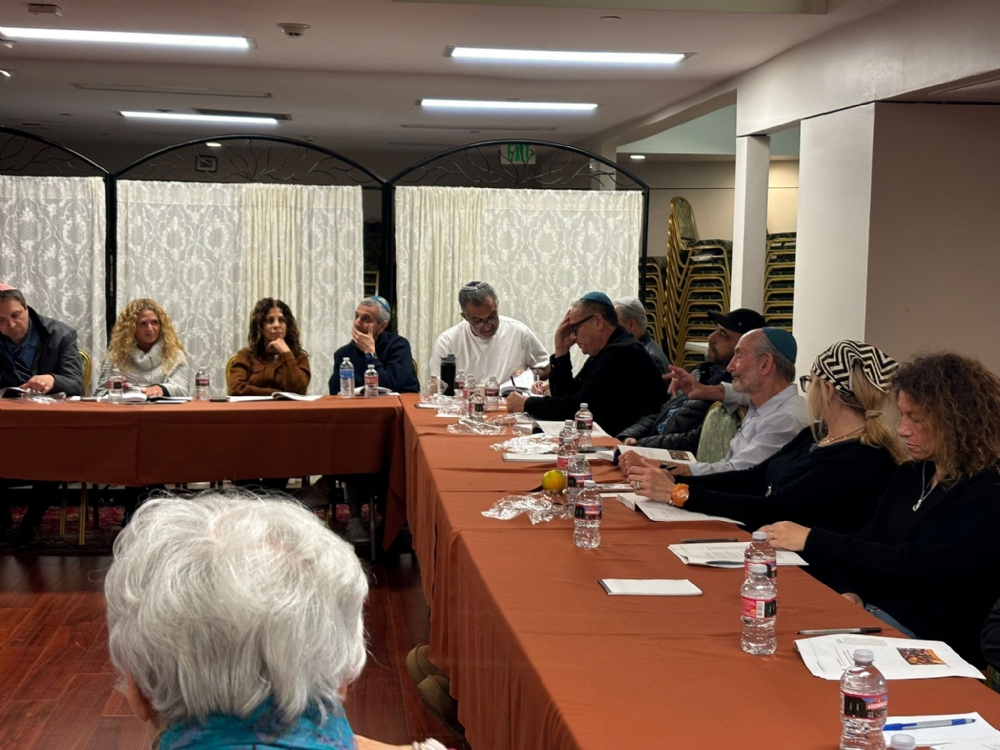
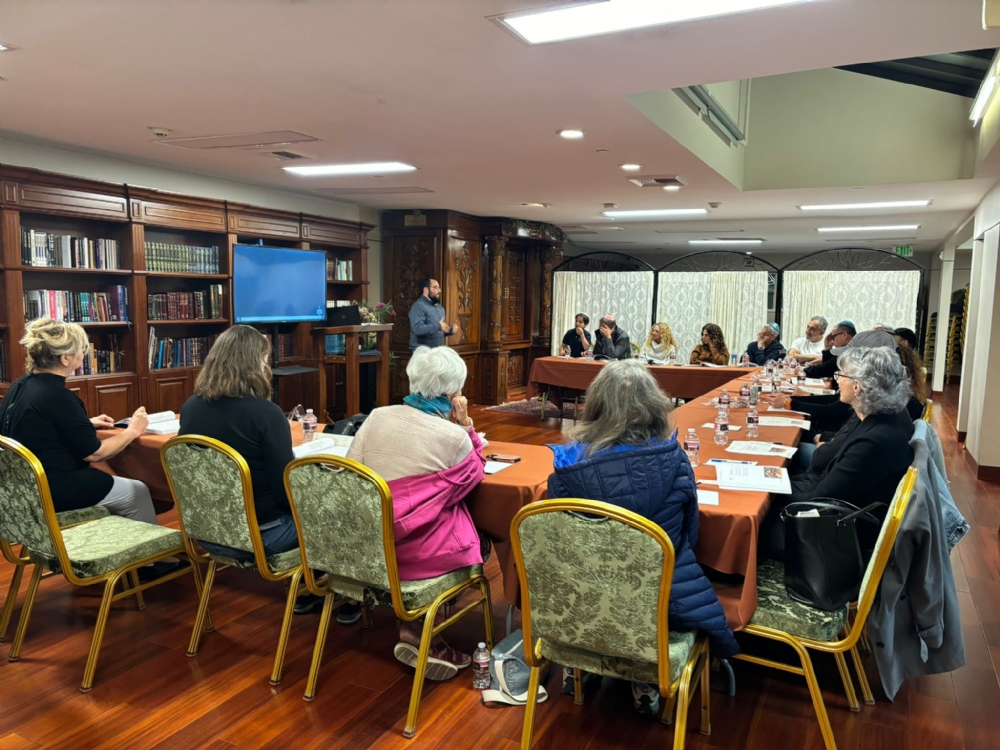
Recent Photos
Recent Photos
 
 
Upcoming Events
Upcoming Events
SAC- Shabbat at Chabad
Friday, Nov. 15, 2024 - 5:30 pm
More Info »
Family Mitzvah Club at OBKLA
Sunday, Nov. 17, 2024 - 10:00 am - 12:00 pm
More Info »
CTeen U
Monday, Nov. 18, 2024 - 12:00 pm
JLI-Nurturing Relationships Lesson 2
Wednesday, Nov. 20, 2024 - 7:30 pm - 9:00 pm
CTeen U
Monday, Nov. 25, 2024 - 12:00 pm
JLI-Nurturing Relationships Lesson 3
Wednesday, Nov. 27, 2024 - 7:30 pm - 9:00 pm
Turkey Trot
Thursday, Nov. 28, 2024
JEC
Tuesday, Dec. 3, 2024 - 3:30 pm - 5:30 pm
JLI-Nurturing Relationships Lesson 4
Wednesday, Dec. 4, 2024 - 7:30 pm - 9:00 pm
JEC
Tuesday, Dec. 10, 2024 - 3:30 pm - 5:30 pm
JLI-Nurturing Relationships Lesson 5
Wednesday, Dec. 11, 2024 - 7:30 pm - 9:00 pm
 
 
Donate
Donate

Join in and become a partner in the work we do!


This Week @
This Week @ www.ChabadPalisades.com
  
Parshah
Believing Again
Walking the paths of Auschwitz, I began to doubt humanity and its Creator. I felt suspended in a world I could not comprehend...
  
By the Numbers
14 Facts About Jewish Amsterdam
A haven for Jews escaping religious persecution, Amsterdam was a center of Ashkenazi and Sephardi Jewish life.
  
Your Questions
Are AR Headsets Considered “Seeing”?
Certain Jewish laws require that we actually see something, does AR count?
  
Psalms
Rockets Are Falling in Israel
Join us in praying and doing a mitzvah
 
 
Parshah
Parshah in a Nutshell

Parshat Vayeira

The name of the Parshah, "Vayera," means "And He appeared" and it is found in Genesis 18:1.

G‑d reveals Himself to Abraham three days after the first Jew’s circumcision at age ninety-nine; but Abraham rushes off to prepare a meal for three guests who appear in the desert heat. One of the three—who are angels disguised as men—announces that, in exactly one year, the barren Sarah will give birth to a son. Sarah laughs.

Abraham pleads with G‑d to spare the wicked city of Sodom. Two of the three disguised angels arrive in the doomed city, where Abraham’s nephew Lot extends his hospitality to them and protects them from the evil intentions of a Sodomite mob. The two guests reveal that they have come to overturn the place, and to save Lot and his family. Lot’s wife turns into a pillar of salt when she disobeys the command not to look back at the burning city as they flee.

While taking shelter in a cave, Lot’s two daughters (believing that they and their father are the only ones left alive in the world) get their father drunk, lie with him and become pregnant. The two sons born from this incident father the nations of Moab and Ammon.

Abraham moves to Gerar, where the Philistine king Abimelech takes Sarah—who is presented as Abraham’s sister—to his palace. In a dream, G‑d warns Abimelech that he will die unless he returns the woman to her husband. Abraham explains that he feared he would be killed over the beautiful Sarah.

G‑d remembers His promise to Sarah, and gives her and Abraham a son, who is named Isaac (Yitzchak, meaning “will laugh”). Isaac is circumcised at the age of eight days; Abraham is one hundred years old, and Sarah ninety, at their child’s birth.

Hagar and Ishmael are banished from Abraham’s home and wander in the desert; G‑d hears the cry of the dying lad, and saves his life by showing his mother a well. Abimelech makes a treaty with Abraham at Beersheba, where Abraham gives him seven sheep as a sign of their truce.

G‑d tests Abraham’s devotion by commanding him to sacrifice Isaac on Mount Moriah (the Temple Mount) in Jerusalem. Isaac is bound and placed on the altar, and Abraham raises the knife to slaughter his son. A voice from heaven calls to stop him; a ram, caught in the undergrowth by its horns, is offered in Isaac’s place.

Learn: Vayera in Depth
Browse: Vayera Parshah Columnists
Prep: Devar Torah Q&A for Vayera
Read: Haftarah in a Nutshell
Play: Vayera Parshah Quiz



Today's Quote
Today's Quote
Who is wise? One who learns from every man. Who is strong? One who overpowers his inclinations. Who is rich? One who is satisfied with his lot. Who is honorable? One who honors his fellows.
— Ethics of the Fathers 4:1


Chabad World News
Chabad World News